Find the Best Composting & Food Waste Companies for Your Business
No obligation • Fast responses • Nationwide coverage

Why you can trust Restaurant Waste Disposal
Restaurant Waste Disposal is a leading U.S. resource for comparing restaurant composting, food-waste recycling, grease trap cleaning, and used cooking oil collection services. Our editorial team researches providers, checks credentials, and organizes unbiased information so operators can make informed decisions. Companies cannot pay to change ratings or placement.
Search providers near you
Top Composting & Food Waste Companies in Las Vegas, Nevada Ranked
For restaurants in Las Vegas, managing food scraps and organic waste is a critical operational and environmental consideration. The city's vibrant hospitality and dining scene generates significant volumes of organic material daily, presenting both a challenge and an opportunity for sustainable waste diversion. While Nevada has its own regulatory framework, nearby state mandates like California's SB 1383 have influenced the broader conversation around commercial organic waste, pushing local providers to develop services tailored for businesses. Navigating the specifics-from container options to pickup schedules and contamination rules-requires understanding the local landscape and connecting with the right service providers to implement an effective food waste recycling program.
Viva La Compost
Las Vegas, NV
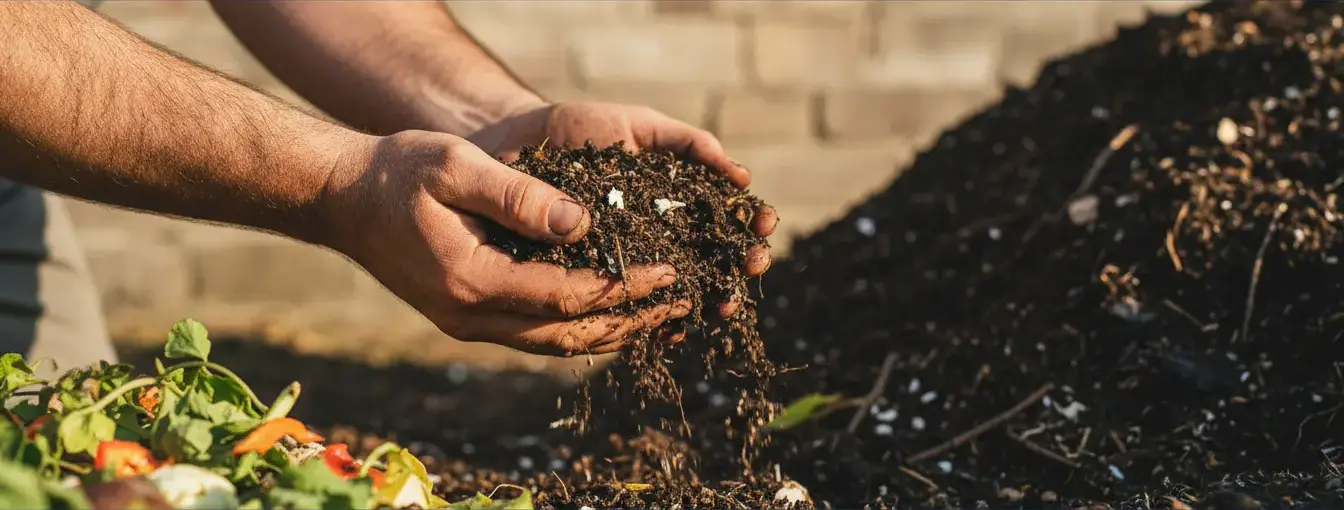
Viva La Compost is a food waste and composting service based in Las Vegas, NV, serving both residential and commercial clients. Since 2019, they have been helping reduce food waste by offering year-round pickup of organic materials, turning scraps into valuable compost. Their service supports local businesses and residents in diverting food waste from landfills, contributing to a more sustainable community and lowering carbon footprints. Viva La Compost is known for its convenient bucket exchange system and distribution of finished compost to members.
Terra Firma Organics
5355 Beesley Dr, Las Vegas, NV 89115
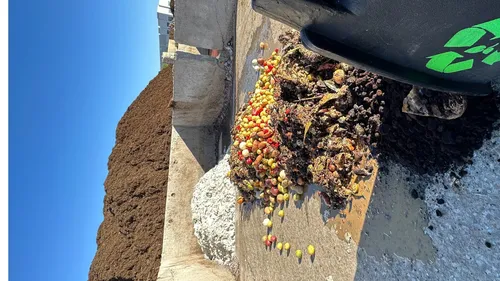
Terra Firma Organics is a compost company based in Las Vegas, Nevada, specializing in food waste and composting services for restaurants and other organic waste producers. They operate as the only permitted compost facility in the area, transforming organic waste such as trees, shrubs, lawn clippings, branches, and food waste into premium compost blends and natural products that support lawn and garden health. Their process helps reduce landfill waste and improves soil, air, and water quality in the Las Vegas region.
Silver City Processing
4505 Andrews St, North Las Vegas, NV 89081
Silver City Processing provides liquid waste management solutions in Las Vegas, NV, specializing in food waste, grease trap cleaning, and commercial plumbing services. They serve restaurants, car washes, and commercial facilities with waste collection, disposal, and maintenance to ensure compliance with local regulations. The company uses hydro jetting with over 3,000 PSI pressure to clear grease clogs and blockages efficiently. Silver City Processing is fully licensed and permitted by local authorities and operates primarily in North Las Vegas. Their services include grease trap repairs, line excavation, and odor troubleshooting. They also focus on environmental sustainability through brown grease recovery and recycling efforts. Technicians are available to manage emergencies such as backups and overflows.
Understanding Las Vegas's Food Waste Landscape
The volume of organic waste produced in Southern Nevada, particularly from the hospitality and casino sectors, is substantial1. For restaurant owners, this isn't just an abstract environmental issue; it's a daily logistical reality. Food preparation scraps, plate waste, coffee grounds, and soiled paper products quickly add up. Effectively diverting this stream from the landfill can reduce trash hauling costs, demonstrate corporate responsibility, and comply with evolving local expectations. The first step is recognizing that general municipal guidelines for residents may not directly apply to commercial entities, making specialized service inquiries essential.
Key Providers for Commercial Organics Collection
In Las Vegas, commercial food waste collection is typically handled by private waste haulers or through specific programs offered by local government solid waste departments. The major players you'll need to contact include:
- Republic Services: As a primary hauler in the region, they offer commercial organics recycling programs. You must contact them directly to inquire about restaurant eligibility, container delivery, and service schedules.
- Waste Management (WM): Similarly, WM provides commercial organic waste services. Their programs are designed to help businesses separate food scraps and other compostables from general trash.
- City of Las Vegas Solid Waste Division: The city may offer information or programs for businesses within its jurisdiction. Checking their website or contacting them directly can clarify any municipal ordinances or incentives.
- Clark County Solid Waste Management: For restaurants located in unincorporated county areas, this is the governing body to consult for rules and recommended service providers.
Actionable Tip: Start by calling your current waste hauler. If you use Republic or WM for trash and recycling, ask to speak with a commercial representative about their "Commercial Organics Program" or "Food Waste Recycling" services for restaurants.
What a Restaurant Organics Program Typically Involves
Setting up a food scrap collection system involves more than just adding another bin. Service providers will guide you through a setup process based on your establishment's volume and layout.
Acceptable Materials & Strict Contamination Rules
Knowing what can and cannot go into the organics cart is crucial for a successful program. Contamination (placing the wrong item in the bin) can lead to rejected loads, extra fees, or service cancellation.
- What's IN (Food Waste & Compostables):
- Fruit and vegetable scraps
- Meat, fish, and bones
- Dairy products
- Bread, pasta, and grains
- Eggshells and coffee grounds (including filters)
- Soiled, non-recyclable paper like napkins, paper plates, and pizza boxes (free of plastic liners)
- What's OUT (Common Contaminants):
- Plastic bags (unless they are certified compostable and accepted by your hauler)
- Liquids, oils, and grease
- Glass, metal, or plastic packaging
- Styrofoam and other plastics
- Rubber gloves and other non-organic kitchen supplies
Providers emphasize that no plastic bags are a universal rule unless specifically approved. Using certified compostable liner bags is often permitted but must be confirmed with your hauler.
Containers, Schedules, and Logistics
Commercial services are flexible but follow a standard model:
- Containers: You will typically be provided with wheeled carts, similar to trash bins but often in a different color (e.g., green). Sizes range from 32-gallon to 96-gallon carts, and the number of containers depends on your weekly volume2.
- Collection Frequency: Pickup is most commonly weekly for restaurants due to the perishable nature of the waste, though some lower-volume establishments might qualify for bi-weekly service.
- Kitchen Workflow: Internally, you'll need small, lidded collection pails for kitchen prep areas and dish stations. Staff training on what goes where is the most critical component for preventing contamination.
Find the perfect composting & food waste companies for your needs
Get personalized recommendations and expert advice
Navigating Costs and Commercial Requirements
A primary concern for any business is cost. Pricing for commercial organics recycling is not standardized and is rarely published online. It is typically structured as a monthly fee based on:
- The number and size of containers provided.
- The frequency of pickup (weekly vs. bi-weekly).
- Your location and the hauler's service area.
While it is an added line item, many restaurants find that by diverting heavy, wet food waste from their trash bins, they can reduce the size or pickup frequency of their garbage service, potentially offsetting some of the new cost. Furthermore, avoiding contamination fines is a direct financial incentive to train staff properly.
Is it Mandatory? Understanding Local Rules
As of now, a statewide mandatory commercial organics collection law like California's SB 1383 is not in effect in Nevada3. However, local city or county ordinances can impose requirements. The City of Las Vegas and Clark County have waste diversion goals, and programs can shift from voluntary to mandatory. Proactively implementing a food waste recycling program positions your business ahead of potential regulatory changes and aligns with the sustainability values of a growing segment of consumers.
Actionable Next Step: Beyond calling your hauler, check the official City of Las Vegas and Clark County government websites. Search for "commercial recycling ordinances" or "organic waste" to find any current regulations, application forms for services, or contact information for sustainability coordinators who can provide guidance.
Building a Sustainable System in Your Restaurant
Implementing a successful organics diversion program goes beyond signing a service contract. It requires integration into your daily operations.
- Conduct a Waste Audit: Spend a week tracking what and how much organic waste you generate. This data helps you choose the right container size and informs staff training.
- Designate a Lead: Appoint a sustainability champion among your managers or staff to oversee the program, answer questions, and monitor bin contamination.
- Invest in Proper Indoor Bins: Use sturdy, lidded countertop or floor pails with compostable liner bags (if allowed) to make collection easy and hygienic for kitchen staff.
- Train and Retrain Staff: Hold brief training sessions during shifts. Use clear signage with pictures above collection stations showing what is and is not acceptable. Make this part of the onboarding process for new hires.
- Communicate with Your Hauler: Maintain an open line of communication. If you're generating more or less waste than expected, or if you have questions about an item, ask them. They are your partner in making the program work.
By taking these steps, Las Vegas restaurants can transform their food scrap output from a disposal problem into a resource, contributing to local composting efforts and building a more sustainable operation.
Frequently asked questions
Sources
Footnotes
-
Municipal Waste in Southern Nevada: Understanding the Obsession with ... - https://oasis.library.unlv.edu/cgi/viewcontent.cgi?article=1270&context=award ↩
-
Residential Food Waste Collection In The U.S. - https://www.biocycle.net/residential-food-waste-collection-in-the-u-s/ ↩
-
COMMERCIAL ORGANIC WASTE RECYCLING REQUIREMENTS - https://www.nevadacountyca.gov/DocumentCenter/View/56518/Commercial-SB1383-Handout-PDF ↩