Find the Best Composting & Food Waste Companies for Your Business
No obligation • Fast responses • Nationwide coverage

Why you can trust Restaurant Waste Disposal
Restaurant Waste Disposal is a leading U.S. resource for comparing restaurant composting, food-waste recycling, grease trap cleaning, and used cooking oil collection services. Our editorial team researches providers, checks credentials, and organizes unbiased information so operators can make informed decisions. Companies cannot pay to change ratings or placement.
Search providers near you
Best Composting & Food Waste Companies in Nevada Ranked
For restaurant owners and operators in Nevada, managing food scraps and organic waste is a growing operational consideration. While the state does not have a comprehensive, mandatory commercial organics recycling law, there is a clear movement toward food waste reduction, supported by state-level protections for food donation and varying local initiatives. Successfully implementing a food waste diversion program requires understanding this patchwork of regulations and services, which differ significantly between Clark County, Washoe County, and other jurisdictions. The key is to start locally by contacting your waste hauler and municipal offices to discover the specific options, requirements, and potential cost structures available for your business.
Viva La Compost
Las Vegas, NV
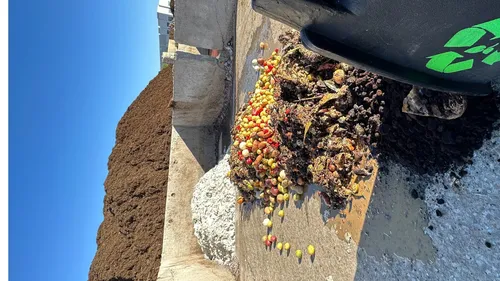
Viva La Compost is a food waste and composting service based in Las Vegas, NV, serving both residential and commercial clients. Since 2019, they have been helping reduce food waste by offering year-round pickup of organic materials, turning scraps into valuable compost. Their service supports local businesses and residents in diverting food waste from landfills, contributing to a more sustainable community and lowering carbon footprints. Viva La Compost is known for its convenient bucket exchange system and distribution of finished compost to members.
Terra Firma Organics
5355 Beesley Dr, Las Vegas, NV 89115
Terra Firma Organics is a compost company based in Las Vegas, Nevada, specializing in food waste and composting services for restaurants and other organic waste producers. They operate as the only permitted compost facility in the area, transforming organic waste such as trees, shrubs, lawn clippings, branches, and food waste into premium compost blends and natural products that support lawn and garden health. Their process helps reduce landfill waste and improves soil, air, and water quality in the Las Vegas region.
Silver City Processing
4505 Andrews St, North Las Vegas, NV 89081
Silver City Processing provides liquid waste management solutions in Las Vegas, NV, specializing in food waste, grease trap cleaning, and commercial plumbing services. They serve restaurants, car washes, and commercial facilities with waste collection, disposal, and maintenance to ensure compliance with local regulations. The company uses hydro jetting with over 3,000 PSI pressure to clear grease clogs and blockages efficiently. Silver City Processing is fully licensed and permitted by local authorities and operates primarily in North Las Vegas. Their services include grease trap repairs, line excavation, and odor troubleshooting. They also focus on environmental sustainability through brown grease recovery and recycling efforts. Technicians are available to manage emergencies such as backups and overflows.
Understanding Nevada's Regulatory Landscape
Nevada's approach to organic waste is decentralized. Unlike states such as California with sweeping mandates, Nevada lacks a universal law requiring all restaurants to compost or recycle food waste 1 2. This means the primary driver for starting a program is often local ordinance, cost savings on trash disposal, or a commitment to sustainability rather than state compliance.
The state has taken positive steps in other areas, particularly through laws that protect businesses from liability when they donate surplus food in good faith 3. This encourages waste reduction at the source by diverting edible food to people in need, which should be the first step in any comprehensive food waste management plan. For scraps that cannot be donated-like prep waste, coffee grounds, and spoiled food-recycling becomes the next priority, and this is where local rules come into play.
The Critical Role of Local Jurisdictions
In Nevada, the rules for commercial organics are set at the city and county level. Major metropolitan areas are more likely to have established programs or be considering future regulations.
- Las Vegas & Clark County: Services and potential future mandates are often discussed within sustainability frameworks. Restaurants should check with the City of Las Vegas or Clark County public works departments for any specific guidelines or pilot programs.
- Reno & Washoe County: Similar to Southern Nevada, the availability of commercial food waste collection is hauler-dependent. The City of Reno's environmental services may have resources or partnerships with local compost facilities.
- Other Municipalities: For restaurants in Henderson, North Las Vegas, Sparks, or more rural areas, the process is even more localized. Direct contact with your city hall or county offices is essential.
The absence of a statewide mandate means there is no uniform standard for bin colors, acceptable materials, or collection schedules. Your local hauler's specifications are the definitive guide.
Partnering with Your Waste Hauler: The First Step
The most practical action for any Nevada restaurant is to contact your current commercial waste service provider. Major national haulers like Republic Services and Waste Management, as well as regional companies, operate in Nevada. When you call, ask targeted questions to assess your options:
- Service Availability: "Do you offer a separate commercial food waste collection service in my area?"
- Program Details: "What materials are accepted? What type of container is required? How frequent is pickup?"
- Cost Structure: "What are the monthly fees for adding an organics bin? Is there a cost-benefit if I can downsize my trash dumpster?"
- Future Planning: "Are you aware of any upcoming city or county ordinances that will ban food waste from the landfill?"
These conversations will provide the concrete information needed to make a business decision. Collection is typically provided in a dedicated bin, often colored green or brown, which is serviced separately from trash and recycling.
Find the perfect composting & food waste companies for your needs
Get personalized recommendations and expert advice
Analyzing Costs and Operational Logistics
Implementing a food waste program involves an investment. Costs are not standardized and can vary based on your location, volume of waste, pickup frequency, and hauler.
- Potential Fees: Expect an additional monthly charge for the organics collection service. This could range from a modest addition for a small cart to a more significant fee for a large dumpster, often between $20 to $100 or more per month, depending on service levels 4. It's crucial to get a formal quote.
- Potential Savings: A well-run program can lead to savings. By diverting heavy, wet food scraps from the trash, you may reduce the size or pickup frequency of your garbage service, potentially offsetting some or all of the new composting cost.
- On-Site Logistics: You'll need to plan for kitchen collection using small, lidded bins and train staff on what can and cannot go into the compost stream (e.g., no plastic, glass, or liquids). Proper bin placement and liner use (if allowed) are key to maintaining cleanliness and preventing pests.
For some restaurants, especially those in areas without curbside commercial collection, self-hauling to a permitted composting facility may be an alternative. This requires dedicated storage, transportation, and a relationship with the facility.
Building an Effective On-Site Program
Once you've secured collection services, internal implementation is critical for success.
- Start with a Waste Audit: Briefly track what and how much you're throwing away. This identifies sources of waste and helps right-size your collection service.
- Educate and Train Your Team: Hold a staff meeting to explain the why and the how. Use clear signage (with pictures) above collection bins in prep areas and the dish pit.
- Equip Your Kitchen: Provide sturdy, sealable countertop containers for food scraps. Ensure they are easy to empty and clean.
- Monitor and Adjust: Check the organics bin for contamination (like plastic wrappers or utensils) in the first few weeks. Provide gentle reminders to keep the stream clean, which is important for the composting process.
The Benefits Beyond Compliance
Even without a strict state mandate, diverting food waste offers tangible benefits for Nevada restaurants:
- Environmental Leadership: Demonstrates a commitment to sustainability that resonates with a growing segment of customers and staff.
- Waste Cost Management: Provides more control over your waste disposal costs and can protect against future fee increases for landfill trash.
- Community Engagement: Partnering with food donation organizations fulfills the first step of the waste hierarchy and supports local communities.
- Preparedness: Proactively establishing a program positions your business well if and when local organics recycling mandates are enacted.
Frequently asked questions
Sources
Footnotes
-
Statewide Mandatory Organic Waste Collection - CalRecycle - CA.gov - https://calrecycle.ca.gov/organics/slcp/collection/ ↩
-
Fighting Food Waste - National Conference of State Legislatures - https://www.ncsl.org/agriculture-and-rural-development/fighting-food-waste ↩
-
Nevada : ReFED | Rethink Food Waste - https://policyfinder.refed.org/nevada/ ↩
-
What is Restaurant Composting? - Benefits & How It Works - https://www.webstaurantstore.com/article/60/restaurant-composting.html ↩