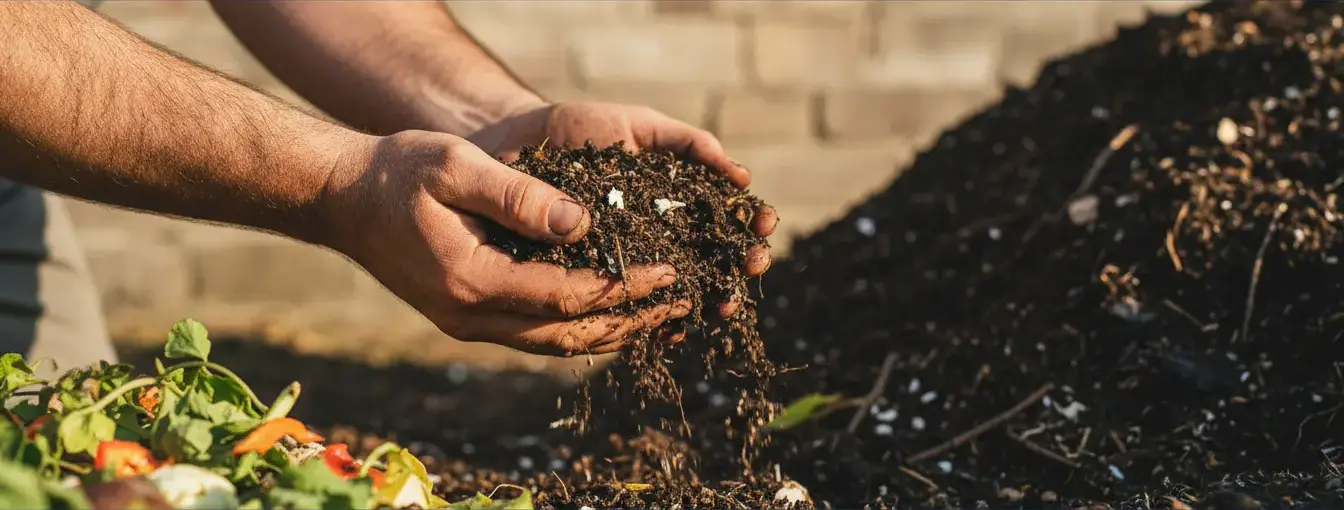
Find the Best Composting & Food Waste Companies for Your Business
No obligation • Fast responses • Nationwide coverage

Why you can trust Restaurant Waste Disposal
Restaurant Waste Disposal is a leading U.S. resource for comparing restaurant composting, food-waste recycling, grease trap cleaning, and used cooking oil collection services. Our editorial team researches providers, checks credentials, and organizes unbiased information so operators can make informed decisions. Companies cannot pay to change ratings or placement.
Search providers near you
Top Composting & Food Waste Companies in Henderson, Nevada Ranked
For restaurant owners and managers in Henderson, managing organic waste is no longer just an environmental consideration-it's a legal requirement. Nevada's alignment with California's SB 1383 mandates that all businesses, including restaurants, divert food scraps and other organic materials from landfills. This presents a crucial operational shift, transforming food waste from a disposal problem into a resource recovery opportunity. Successfully navigating this mandate involves understanding your service options, from curbside collection to food donation partnerships, and implementing effective kitchen-level practices to ensure compliance and potentially reduce costs. This guide provides the essential information Henderson restaurants need to establish a compliant and efficient organic waste recycling program.
Viva La Compost
Las Vegas, NV
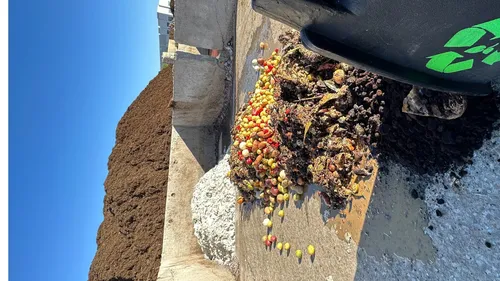
Viva La Compost is a food waste and composting service based in Las Vegas, NV, serving both residential and commercial clients. Since 2019, they have been helping reduce food waste by offering year-round pickup of organic materials, turning scraps into valuable compost. Their service supports local businesses and residents in diverting food waste from landfills, contributing to a more sustainable community and lowering carbon footprints. Viva La Compost is known for its convenient bucket exchange system and distribution of finished compost to members.

Terra Firma Organics
5355 Beesley Dr, Las Vegas, NV 89115
Terra Firma Organics is a compost company based in Las Vegas, Nevada, specializing in food waste and composting services for restaurants and other organic waste producers. They operate as the only permitted compost facility in the area, transforming organic waste such as trees, shrubs, lawn clippings, branches, and food waste into premium compost blends and natural products that support lawn and garden health. Their process helps reduce landfill waste and improves soil, air, and water quality in the Las Vegas region.
Silver City Processing
4505 Andrews St, North Las Vegas, NV 89081
Silver City Processing provides liquid waste management solutions in Las Vegas, NV, specializing in food waste, grease trap cleaning, and commercial plumbing services. They serve restaurants, car washes, and commercial facilities with waste collection, disposal, and maintenance to ensure compliance with local regulations. The company uses hydro jetting with over 3,000 PSI pressure to clear grease clogs and blockages efficiently. Silver City Processing is fully licensed and permitted by local authorities and operates primarily in North Las Vegas. Their services include grease trap repairs, line excavation, and odor troubleshooting. They also focus on environmental sustainability through brown grease recovery and recycling efforts. Technicians are available to manage emergencies such as backups and overflows.
Understanding the SB 1383 Mandate for Henderson Businesses
The core driver behind the push for commercial food scrap recycling is state legislation. While often associated with California, Nevada has adopted similar organic waste diversion goals, requiring entities like restaurants to participate. This law is designed to significantly reduce methane emissions from landfills by keeping biodegradable material out of them. For your restaurant, this means you are legally obligated to separate food waste from your general trash stream. The mandate applies broadly, but the specific methods for compliance offer some flexibility based on your operation's size and volume.
Who is Required to Participate?
The requirement encompasses all commercial entities generating organic waste. This explicitly includes restaurants of all sizes, from quick-service cafes to full-service dining establishments. There is no minimum threshold that exempts small food service businesses; if you operate a restaurant in Henderson, you must have a plan for organic waste diversion. It's important to check directly with your local waste hauler or the City of Henderson for any potential waivers, which are typically only granted in very specific circumstances, such as extreme remoteness or lack of service availability.
Your Three Pathways to Compliance
Restaurants have three primary avenues to meet the organic waste recycling requirement:
- Subscribe to a Curbside Collection Service: This is the most common solution, where a licensed waste hauler provides dedicated containers and regular pickup for your food scraps and food-soiled paper.
- Self-Haul to an Approved Facility: If you have the capacity, you can transport your own organic waste to a permitted composting or anaerobic digestion facility. This requires proper licensing for transport and adherence to facility guidelines.
- Donate Edible Food: A key component of the law is food recovery. Partnering with local food banks or rescue organizations to donate surplus edible food is not only compliant but also contributes positively to the community 1.
Most Henderson restaurants will find that subscribing to a professional collection service is the most practical and reliable method.
Choosing a Food Waste Service Provider
Selecting the right partner is critical for a smooth and sustainable organics recycling program. In the Henderson area, major national providers like WM (Waste Management) offer commercial food waste programs, and there may be regional or local haulers available as well 2. Your first step should be to contact these providers directly to discuss your restaurant's specific needs.
Key Factors to Compare When Getting Quotes
When evaluating service providers, don't just look at the monthly cost. Consider the full service package:
- Container Options: What bin sizes are available? Providers typically offer a range of carts or dumpsters suitable for kitchen prep areas and back-of-house spaces. Ensure the containers have tight-fitting lids to control odors and pests.
- Collection Frequency: How often will they pick up? This can range from daily for high-volume establishments to several times a week. The right schedule prevents overflow and sanitation issues.
- Service Reliability: Research the provider's reputation for on-time pickups and customer service. A missed pickup can disrupt your kitchen operations.
- Educational Support: Does the hauler offer training materials or staff signage to help your team sort correctly? Good providers act as partners in your compliance journey.
Find the perfect composting & food waste companies for your needs
Get personalized recommendations and expert advice
Setting Up Your Kitchen for Success: Containers and Logistics
Effective organics recycling starts with smart logistics inside your restaurant. The goal is to make it as easy for your staff to compost as it is to throw something in the trash.
Implementing a Dual-Stream System
The most successful programs use a system of paired bins. Place a dedicated food waste collection bin right next to every trash can in prep areas, the dish pit, and anywhere food is handled. Color-coding these bins (e.g., green for compost) and using clear, graphic signage minimizes confusion. For front-of-house, smaller countertop caddies or designated bus tubs can be used to collect scraps from plate scraping.
Managing Pickups and Storage
Your hauler will provide the exterior container (often a wheeled cart or dumpster). It's crucial to establish an internal schedule for transferring full kitchen bins to this outdoor container. This outdoor container should be stored on a stable, paved surface, away from direct sunlight if possible, and its area should be kept clean to avoid attracting pests. Coordinate with your hauler to ensure the pickup schedule aligns with your production volume, especially before closed days or after large events.
The Golden Rule: Preventing Contamination
Contamination-putting the wrong items in the organics bin-is the single biggest challenge for food scrap recycling programs. A contaminated load can be rejected by the processing facility, leading to higher costs and wasted effort3. Clear communication and ongoing training with your entire team are non-negotiable.
What CAN Go In Your Food Waste Bin
- All food scraps: fruits, vegetables, meat, bones, dairy, bread, and coffee grounds.
- Food-soiled paper: uncoated paper napkins, paper towels (without harsh chemicals), pizza boxes (greasy parts), and paper food trays.
- Tea bags and coffee filters (check with hauler regarding staples).
What MUST Stay Out (Common Contaminants)
- Plastic bags: Even "compostable" bags are often not accepted in curbside programs unless explicitly approved by your hauler.
- Service ware: Plastic utensils, Styrofoam containers, and "bioplastic" cups/plates.
- Other recyclables: Glass, metal cans, and plastic bottles.
- Liquids: Oils, soups, and beverages. Grease should be handled through a separate used cooking oil collection service.
- Non-food waste: Trash, rubber gloves, and chemicals.
Regularly auditing your organics bin and providing feedback to staff will help maintain a clean, valuable stream of material that can be turned into compost or renewable energy.
Costs and Potential Savings
The cost for commercial food waste collection in Henderson is not a fixed rate; it varies based on your specific needs. Factors include the size and number of containers, the frequency of pickup, and your location4. You must contact providers like WM directly for a customized quote. While this is a new line item, it's important to view it in context. By diverting heavy, wet food waste from your trash stream, you may be able to reduce the size or frequency of your garbage service, potentially offsetting some of the new cost. Furthermore, participating in food donation can provide tax benefits and enhance your restaurant's community reputation.
Taking the Next Steps
- Contact Local Haulers: Reach out to WM and any other commercial waste providers in Henderson to request quotes and service details for organic waste collection.
- Review City Resources: Visit the City of Henderson's official website and search for "waste management," "sustainability," or "organics recycling" to find local guidelines, potential incentives, or a list of approved service providers.
- Train Your Team: Designate a point person, develop simple sorting guides, and hold a brief training session with all kitchen and front-of-house staff before launching the program.
- Start Sorting: Begin your program, monitor for contamination, and adjust your internal logistics as needed. Turning your food waste into a resource is a significant step toward a more sustainable and compliant restaurant operation.
Frequently asked questions
Sources
Footnotes
-
Statewide Mandatory Organic Waste Collection - CalRecycle - CA.gov - https://calrecycle.ca.gov/organics/slcp/collection/ ↩
-
What is Restaurant Composting? - Benefits & How It Works - https://www.webstaurantstore.com/article/60/restaurant-composting.html ↩
-
Food waste | Recycle Now - https://www.recyclenow.com/recycle-an-item/food-waste ↩
-
Food Waste Collection | Nevada County, CA - https://www.nevadacountyca.gov/3466/Food-Waste-Collection ↩