Find the Best Composting & Food Waste Companies for Your Business
No obligation • Fast responses • Nationwide coverage

Why you can trust Restaurant Waste Disposal
Restaurant Waste Disposal is a leading U.S. resource for comparing restaurant composting, food-waste recycling, grease trap cleaning, and used cooking oil collection services. Our editorial team researches providers, checks credentials, and organizes unbiased information so operators can make informed decisions. Companies cannot pay to change ratings or placement.
Search providers near you
Top Composting & Food Waste Companies in Omaha, Nebraska Ranked
For Omaha restaurants and food service businesses, managing organic waste is no longer just a line-item expense-it's a strategic opportunity. The city's growing sustainability movement, coupled with increasing consumer expectations, has made commercial food waste diversion a practical and often profitable operational choice. Unlike residential services, which are managed by the city's Wasteline department, commercial organic recycling in Omaha is driven by a network of private haulers and processors who offer tailored solutions. These providers help establishments of all sizes transform food scraps, prep waste, and soiled paper products into nutrient-rich compost, diverting significant tonnage from landfills and reducing harmful methane emissions. By partnering with a local service, Omaha's vibrant culinary scene can directly contribute to a circular economy, turning a waste stream into a resource for local agriculture and landscaping.
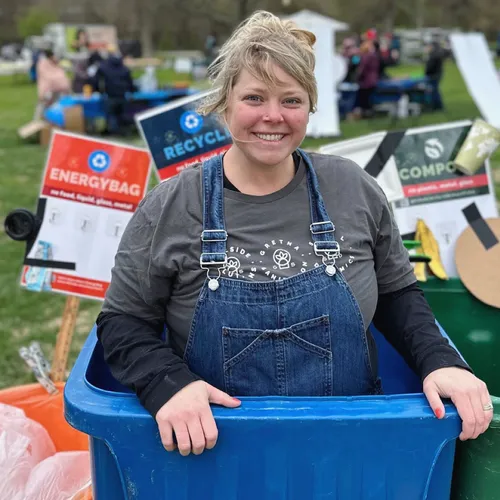
Hillside Solutions
21824 Williams Cir Suite 1B, Gretna, NE 68028
Hillside Solutions is a locally owned waste management company based in Omaha, NE, specializing in commercial food waste composting, recycling, and trash pickup services for restaurants, businesses, schools, and organizations. They serve the Omaha metro area including Gretna and Council Bluffs, focusing on eco-friendly waste solutions that support sustainability goals. Hillside Solutions operates the area's only industrial composting facility through their affiliate Soil Dynamics and offers training and consulting to help clients improve recycling rates and reduce landfill waste. The company has been recognized with environmental awards and partners with over 600 local businesses to promote circular economy practices.
Soil Dynamics Composting Farm
16494 292nd St, Ashland, NE 68003
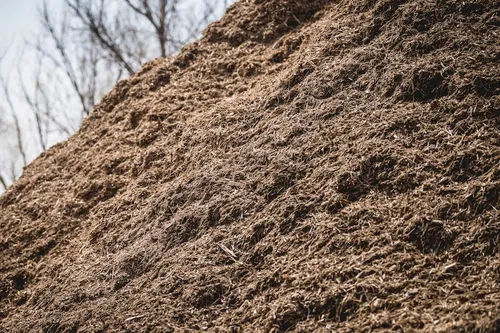
Soil Dynamics Composting Farm is located near Lincoln, NE, operating the Omaha metro area's only industrial compost farm. They produce compost, mulch, and soil using locally sourced materials such as food waste from restaurants, businesses, and schools. Their services include wood grinding, land clearing, soil screening, and roll-off pickup, supporting sustainability efforts in the region. The farm began as a yard waste composting operation and has grown into a commercial composting farm focused on reducing landfill waste and promoting zero waste practices.
Understanding Omaha's Commercial Organics Landscape
The backbone of Omaha's food waste recycling system is private enterprise. Several specialized providers have established services designed specifically for the volume and pace of a commercial kitchen. These companies typically partner with large-scale, industrial composting facilities, like Soil Dynamics, that can process food waste at high temperatures to break down materials quickly and safely, including items like meat, dairy, and bones that aren't suitable for backyard compost piles. This industrial process is key for restaurants, as it accepts the full spectrum of food waste generated during preparation and service.
This model offers flexibility that a municipal program might not. Restaurant managers can negotiate service levels, container sizes, and pickup frequencies that match their specific output, ensuring efficiency and cost-control. The growth in these services reflects a broader trend in Omaha's business community toward sustainable waste management practices.
Key Service Providers for Restaurants
Navigating your options is the first step. Here are some of the primary organizations facilitating organic waste diversion for Omaha businesses:
- Hillside Solutions: A prominent local provider offering comprehensive trash, recycling, and composting services. They provide collection containers (like totes and bins) and flexible pickup schedules, transporting material to their permitted composting facility. For businesses with smaller volumes or those looking for a more hands-on, cost-effective option, they also operate a "Compost Club." This allows businesses to drop off their separated food waste at a lower cost than full-service pickup, though it excludes lawn, landscaping, and construction waste.
- S2 Roll-offs: This service specializes in solutions for the restaurant and hospitality industry. They emphasize custom waste management plans, offering a range of container options from bins to dumpsters and ensuring timely pickups to maintain kitchen hygiene and efficiency.
- Other Haulers & Emerging Services: The market is evolving. Platforms and brokers like Shyft.com note an increase in commercial contracts for sustainable waste management in Omaha, indicating that more service options may become available as demand grows. It's always worth inquiring with your current waste hauler about organics recycling add-ons.
What Can Your Restaurant Compost?
Acceptable materials are generally broad under the industrial composting model, but it's crucial to follow your specific hauler's guidelines to prevent contamination. Commonly accepted items include:
- All food scraps (vegetable trimmings, fruit peels, plate waste)
- Meat, fish, bones, and dairy products
- Eggshells and nutshells
- Coffee grounds and filters
- Tea bags (staples removed)
- Soiled, non-greasy paper products like napkins, paper towels, and pizza boxes
Critical Rule: The single most important rule is avoiding contamination. Plastics (even "compostable" bioplastics unless explicitly approved), glass, metals, and rubber must be kept out of the organics stream. Contamination can ruin entire batches of compost and may lead to service issues or additional fees.
Implementing a Kitchen Food Waste Program
Successfully integrating organics recycling requires a small shift in kitchen workflow. Start with a waste audit to see how much and what type of organic waste you generate. Then, work with your chosen provider to select the right container size and location-often a dedicated, lidded bin in the prep and dishwashing areas. Clear signage and staff training are essential to ensure proper sorting from day one. Many services offer educational materials to help your team understand what goes where.
Container Options and Service Schedules
Flexibility is a major advantage of private services. You are not locked into a one-size-fits-all plan.
- Containers: Options range from small countertop collection pails that staff can empty into larger carts, to 64-gallon totes, and even front-load or roll-off dumpsters for high-volume establishments.
- Schedules: Pickup frequency is customizable. A small café might need weekly service, while a large banquet hall or hotel may require pickups five times a week or more. Services like S2 Roll-offs and Hillside Solutions build schedules around your operational needs 1 2.
Find the perfect composting & food waste companies for your needs
Get personalized recommendations and expert advice
The Business Case for Food Waste Diversion
Beyond environmental stewardship, diverting food waste offers tangible business benefits. First, it can reduce your overall waste disposal costs. By pulling heavy, wet organics out of your trash dumpster, you may be able to downsize your garbage service or reduce pickup frequency. Second, it enhances your brand's reputation. Consumers increasingly support businesses with verifiable sustainable practices. Promoting your composting program can be a powerful marketing tool. Finally, some providers offer benefits like free or discounted finished compost, which can be used for on-site landscaping or donated to community gardens, creating a visible, full-circle story 3 4.
Costs and Considerations
Pricing is not one-size-fits-all. Costs typically involve a monthly service fee that covers rental of the collection container and scheduled pickups. This fee varies based on container size, pickup frequency, and hauling distance. As noted, drop-off models like the Hillside Compost Club can be a cheaper alternative for businesses willing to transport their own waste 5. When evaluating cost, consider the potential savings from reduced garbage service and the intangible value of marketing and compliance.
Navigating Regulations and Building a Sustainable Practice
While Omaha does not currently have a city-wide mandate for commercial organics recycling, being proactive positions your business ahead of potential future regulations. It also aligns with broader corporate sustainability goals (ESG) that are important to investors and partners. Start by choosing a reputable hauler, training your staff thoroughly, and monitoring your program's performance. Share your success with customers-it's a story worth telling.
Frequently asked questions
Sources
Footnotes
-
Omaha Restaurant Waste Solutions - S2 Roll-offs - https://s2rolloffs.com/omaha-restaurant-waste-solutions/ ↩
-
Trash, Recycling, Composting Services of Omaha - https://www.hillside.solutions/whycompost ↩
-
Hillside Solutions: Trash, Recycling, Composting Services of Omaha - https://www.hillside.solutions/ ↩
-
Omaha's Commercial Composting Guide: Environmental ... - Shyft - https://www.myshyft.com/blog/commercial-composting-pickup-service-contracts-omaha-nebraska/ ↩
-
Cheap Compost Option for Omaha Businesses - Hillside Solutions - https://www.hillside.solutions/product-compost-club/compost-club-business ↩