Find the Best Composting & Food Waste Companies for Your Business
No obligation • Fast responses • Nationwide coverage

Why you can trust Restaurant Waste Disposal
Restaurant Waste Disposal is a leading U.S. resource for comparing restaurant composting, food-waste recycling, grease trap cleaning, and used cooking oil collection services. Our editorial team researches providers, checks credentials, and organizes unbiased information so operators can make informed decisions. Companies cannot pay to change ratings or placement.
Search providers near you
Best Composting & Food Waste Companies in Nebraska Ranked
For restaurant owners and operators in Nebraska, managing food scraps and organic waste is a growing opportunity to improve sustainability, reduce disposal costs, and meet customer expectations. While the state does not mandate commercial organics diversion, proactive establishments can implement effective systems through local haulers and community-focused best practices. This guide outlines the voluntary landscape, practical steps for setting up a program, and the resources available to help Nebraska restaurants turn food waste into a resource.
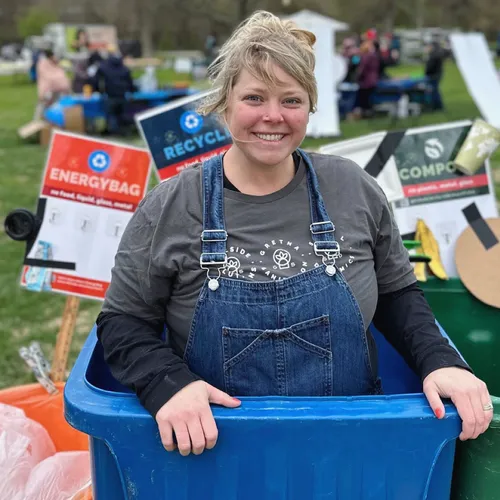
Hillside Solutions
21824 Williams Cir Suite 1B, Gretna, NE 68028
Hillside Solutions is a locally owned waste management company based in Omaha, NE, specializing in commercial food waste composting, recycling, and trash pickup services for restaurants, businesses, schools, and organizations. They serve the Omaha metro area including Gretna and Council Bluffs, focusing on eco-friendly waste solutions that support sustainability goals. Hillside Solutions operates the area's only industrial composting facility through their affiliate Soil Dynamics and offers training and consulting to help clients improve recycling rates and reduce landfill waste. The company has been recognized with environmental awards and partners with over 600 local businesses to promote circular economy practices.
Soil Dynamics Composting Farm
16494 292nd St, Ashland, NE 68003
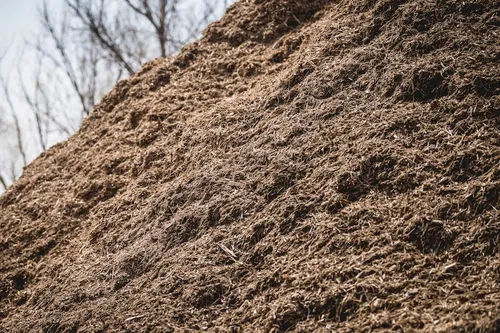
Soil Dynamics Composting Farm is located near Lincoln, NE, operating the Omaha metro area's only industrial compost farm. They produce compost, mulch, and soil using locally sourced materials such as food waste from restaurants, businesses, and schools. Their services include wood grinding, land clearing, soil screening, and roll-off pickup, supporting sustainability efforts in the region. The farm began as a yard waste composting operation and has grown into a commercial composting farm focused on reducing landfill waste and promoting zero waste practices.
Understanding Nebraska's Regulatory Landscape
Nebraska currently has no statewide law that bans food waste from landfills or requires commercial businesses like restaurants to compost 1. This means participation in food waste recycling is primarily a voluntary, locally-driven initiative. The regulatory focus is often on supporting waste reduction and recycling through education and infrastructure development rather than enforcement. This decentralized approach gives restaurant operators the flexibility to design a program that fits their specific location, volume, and budget, but it also means available services can vary significantly from one community to another.
Large metropolitan areas, particularly Lincoln and Omaha, tend to have more developed infrastructure and service providers. For example, the City of Lincoln provides clear guidance and resources for commercial entities looking to reduce waste. Before investing in new bins or signing contracts, it's crucial to investigate what is specifically available in your municipality. Checking with your local public works or solid waste department is an excellent first step to understand local ordinances and identify approved haulers and processors.
Building a Voluntary Food Waste Diversion Program
Implementing a successful organics diversion program in a restaurant setting hinges on planning, staff engagement, and finding the right partners. A voluntary program can still yield significant benefits, including potential savings on landfill trash service and a stronger brand reputation for environmental stewardship.
Step 1: Conduct a Waste Audit
Begin by understanding your current waste stream. Track what you are throwing away over a typical business period. Identify how much is truly landfill-bound versus what could be composted (food scraps, soiled paper) or recycled. This audit will help you determine the volume and type of collection services you need and can reveal opportunities for source reduction, such as adjusting prep practices or portion sizes.
Step 2: Source Local Service Providers
Your options will depend on your location:
- Integrated Haulers: Contact your existing waste hauler to inquire if they offer separate organics (compost) collection. Some companies provide a full suite of services.
- Specialized Compost Haulers: In Nebraska's larger cities, dedicated commercial compost collection services are more readily available. These providers focus solely on organics and often work with local farms or composting facilities.
- Self-Hauling: For some operations, especially in areas without collection, self-hauling waste to a local drop-off site or composting facility may be an option, though it requires additional labor and logistics.
The Nebraska Recycling Council is a valuable resource for identifying services and understanding best practices tailored to the state's context.
Step 3: Design an Effective On-Site System
Clarity and convenience are key to preventing contamination (non-compostable items in the compost stream). Follow these established best practices 2:
- Strategic Bin Placement: Set up a three-bin sorting station (landfill, recycling, compost) in key areas like the kitchen prep line, dishwashing area, and behind the bar.
- Color-Coding and Labeling: Use consistent colors and clear, picture-based labels on all bins. For instance, green for compost, blue for recycling, and black for landfill. This visual system helps staff sort correctly even during busy rushes.
- Dining Area Strategy: In customer-facing areas, you can often reduce the number of landfill bins. Consider providing only compost and recycling receptacles with clear signage, as a large portion of front-of-house waste (napkins, food scraps, certain cups) may be compostable.
Step 4: Train and Engage Your Team
A program is only as good as the staff who use it daily. Comprehensive training is essential:
- Host initial training sessions to explain the "why" and the "how."
- Use the labeled bins as training tools.
- Designate a sustainability champion on staff to answer questions and monitor bin contamination.
- Provide ongoing reminders and celebrate successes to maintain participation.
Find the perfect composting & food waste companies for your needs
Get personalized recommendations and expert advice
Financial Considerations and Potential Savings
While adding a new waste stream service comes with a cost, a well-managed program can lead to overall savings. The financial model is highly localized and depends on your hauler, bin sizes, and collection frequency 3 4.
Typical Cost Structure: You will likely incur separate monthly fees for landfill trash, recycling, and compost collection. It's important to get detailed quotes that break down these costs.
The Offset Opportunity: The most significant financial benefit often comes from reducing your landfill trash volume. By diverting food scraps and compostables, you may be able to:
- Reduce the size of your landfill dumpster.
- Decrease the frequency of landfill pickups (e.g., from daily to three times a week). The savings from this reduced landfill service can partially or fully offset the new cost of compost collection. When requesting quotes, ask providers to model this potential offset based on your waste audit data.
Beyond Composting: Source Reduction and Donation
Composting is a last step after all other options are exhausted. The most effective waste management strategy starts with generating less waste in the first place.
- Source Reduction: Analyze purchasing, storage, and prep procedures to minimize spoilage. Implement inventory management software, practice "first in, first out" (FIFO) storage, and creatively use food trimmings (e.g., vegetable scraps for stocks).
- Food Donation: Partner with local food banks or shelters to donate safe, surplus prepared food. Nebraska has organizations that can facilitate these connections, providing a social benefit and potentially offering tax advantages.
The Future of Organics in Nebraska
Statewide discussions about waste management and recycling continue, with studies examining the potential for more comprehensive programs 5. While a mandatory commercial organics ban is not currently on the horizon, the voluntary efforts of Nebraska's restaurant industry today help build the demand and infrastructure that could support broader policies in the future. By taking action now, forward-thinking restaurants position themselves as community leaders and prepare for any future regulatory changes.
Frequently asked questions
Sources
Footnotes
-
Nebraska Food Waste Policy - https://policyfinder.refed.org/nebraska/ ↩
-
Restaurants and Bars - Nebraska Recycling Council - https://nrcne.org/wp-content/uploads/2017/02/Best_Practices_Restaurant_Guide_to_Waste_Reduction.pdf ↩
-
Recycling in Restaurants and Bars - Lincoln.ne.gov - https://www.lincoln.ne.gov/files/sharedassets/public/v/1/ltu/utilities/solid-waste-management/recycling/commercial-fact-sheets/restaurant-bar.pdf ↩
-
Restaurants and Bars - Nebraska Recycling Council - https://nrcne.org/restaurants-and-bars-a-best-practices-guide-to-waste-reduction-and-recycling-2/nrc-restaurant-guide/ ↩
-
LB 1101 Solid Waste Management Programs Study - https://dee.nebraska.gov/sites/default/files/publications/Final%20SWMP%20Study%20Text%20and%20Appendices%20%282%29.pdf ↩