Find the Best Composting & Food Waste Companies for Your Business
No obligation • Fast responses • Nationwide coverage

Why you can trust Restaurant Waste Disposal
Restaurant Waste Disposal is a leading U.S. resource for comparing restaurant composting, food-waste recycling, grease trap cleaning, and used cooking oil collection services. Our editorial team researches providers, checks credentials, and organizes unbiased information so operators can make informed decisions. Companies cannot pay to change ratings or placement.
Search providers near you
Top Composting & Food Waste Companies in Shakopee, Minnesota Ranked
For restaurants in Shakopee, managing organic waste is no longer just about disposal-it's a strategic opportunity to reduce environmental impact, potentially lower costs, and meet growing customer expectations for sustainability. While the City of Shakopee itself does not provide a municipal organics collection program for businesses, effective food scrap recycling is fully accessible through partnerships with private waste haulers and a premier local processing facility. By diverting food waste from the landfill, your establishment can contribute to creating nutrient-rich compost, conserve valuable landfill space, and take a significant step toward a more circular economy. Navigating the options requires understanding the local service landscape, accepted materials, and best practices for implementation.
Local Service Providers for Shakopee Restaurants
Your primary path to establishing a food waste diversion program is through a commercial waste hauler. Several national and regional providers offer organics collection services in the Shakopee area.
- Private Haulers: Companies like Waste Management and Republic Services, along with local operators, provide tailored commercial organics recycling programs. You will contract directly with them for containers, liners, and pickup schedules that match your restaurant's volume and kitchen workflow.
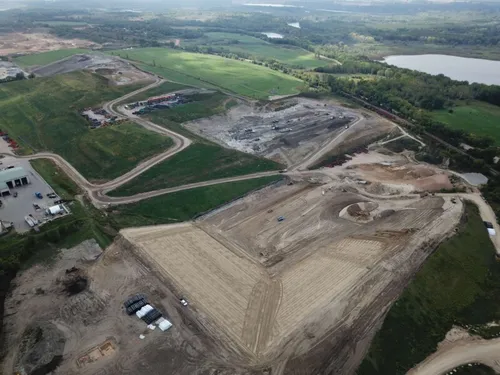
- Dakota Prairie Composting: A key local asset is the state-of-the-art Dakota Prairie Composting facility, operated by the Shakopee Mdewakanton Sioux Community (SMSC). While they accept yard waste and commercial organics, restaurants must confirm the logistics. You will need to contact them directly to see if they offer pickup services for Shakopee businesses or if you would need to arrange delivery of your collected organics to their site.
- Resource Guidance: Although Shakopee is in Scott County, neighboring Hennepin County offers extensive public resources and guidelines for business organics recycling that can serve as a valuable reference for setting up your program and understanding best practices.
What Can You Compost? Accepted Materials Guide
A successful program hinges on proper sorting. Contamination with non-compostable items can spoil entire loads, so clear staff training is essential. Here's a general guide to what is typically accepted in commercial organics recycling streams.
Always Accepted:
- All Food Scraps: This includes fruits, vegetables, meat, bones, dairy products, bread, pasta, nuts, shells, and coffee grounds with filters.
- Food-Soiled Paper Products: Paper napkins, paper towels, uncoated paper plates, and unlined pizza boxes. Paper egg cartons are also usually acceptable.
- Certified Compostable Serviceware: Items like plates, cups, and utensils that are clearly labeled with the BPI (Biodegradable Products Institute) certification logo.
Must Always Be Avoided:
- Plastic Bags: Even bags marketed as "compostable" or "biodegradable" are often not accepted in local facilities, as they require specific conditions to break down. Always check with your hauler or processor first.
- Traditional Plastics & Styrofoam: Any conventional plastic wrap, packaging, or polystyrene foam containers.
- Liquids & Oils: Cooking oils and grease should be managed through a separate used cooking oil recycling program.
- Non-Organics: Glass, metal, rubber, and chemically treated wood.
Setting Up Your Kitchen for Success
Implementation is about integrating sorting into your daily operations seamlessly to ensure staff compliance and minimize contamination.
Containers and Collection: Haulers typically provide the exterior collection carts. For indoor collection, you'll need small, clearly labeled bins for kitchen prep areas and dish pits. Using certified compostable bin liners can keep collection tidy, but confirm their acceptance with your service provider. Common exterior cart sizes are 64-gallon or 96-gallon wheeled carts with locking lids to prevent pests 1.
Scheduling and Logistics: Pickup frequency is customized based on your needs. A high-volume restaurant may require service three to five times a week, while a smaller cafe might manage with once-weekly collection. Your hauler will help determine the right schedule to avoid odor or overflow issues.
Staff Training and Education: This is the most critical component. Conduct initial training sessions and provide simple, visual guides posted above sorting stations. Regularly audit your organics and trash bins to identify sorting errors and provide follow-up coaching. Emphasizing the "why"-the environmental benefits and community contribution-can boost buy-in.
Find the perfect composting & food waste companies for your needs
Get personalized recommendations and expert advice
Understanding Costs and Potential Savings
Investing in organics recycling involves a monthly service fee, but it can lead to overall waste management savings. Costs are influenced by container size, pickup frequency, and your specific hauler's rates 2.
- Pricing Structure: You will receive a custom quote from your hauler. The fee often covers the rental of carts, the collection service, and the processing of the material.
- Waste Stream Reduction: The key to cost-effectiveness is reducing your regular trash volume. By diverting heavy, wet food scraps into the organics stream, you may be able to downsize your garbage dumpster or reduce its pickup frequency, offsetting the new cost of the organics service 3.
- Getting Quotes: It is highly recommended to contact multiple service providers (e.g., Waste Management, Republic Services, and any local haulers) to compare rates and service details specific to your Shakopee location.
The Importance of Contamination Control
Contamination-the presence of non-compostable items in the organics stream-is the single biggest challenge for processors. A load with too much plastic or glass can be rejected, resulting in disposal fees and wasted effort.
- Hauler Policies: Most haulers have contamination policies and may issue warnings or fees for consistently contaminated loads. Protecting the quality of the compost product is a shared responsibility.
- Your Role: Consistent staff training and clear bin signage are your best tools for preventing contamination. Starting with a simplified list of accepted items (e.g., "food scraps and paper towels only") and expanding later can help build good habits from the start.
Next Steps for Your Restaurant
Taking action is straightforward. Begin by researching and contacting providers to gather specific information for your business.
- Contact Haulers: Reach out to commercial waste service providers operating in Shakopee to request quotes and service details for organics collection.
- Call Dakota Prairie Composting: Inquire directly with Dakota Prairie Composting about their policies for commercial generators and whether they offer pickup or require drop-off 4.
- Consult City Resources: Visit the official City of Shakopee website for any local guidelines or lists of recommended vendors for garbage and recycling services 5.
- Develop a Plan: Based on the information you gather, create a simple waste management plan that outlines your chosen provider, training protocol, and container placement.
Frequently asked questions
Sources
Footnotes
-
Frequently asked questions about organics recycling - https://www.pca.state.mn.us/air-water-land-climate/frequently-asked-questions-about-organics-recycling ↩
-
Organics recycling resources for businesses and organizations - https://www.hennepin.us/business/recycling-hazardous-waste/organics-recycling ↩
-
A Complete 10-Step Guide to Waste Management Planning | VLS - https://www.vlses.com/stay-in-the-know/newsroom/steps-of-waste-management-planning/ ↩
-
SMSC Opens State-of-the-Art Organics Recycling Facility, Dakota Prairie Composting - https://shakopeedakota.org/smsc-opens-state-of-the-art-organics-recycling-facility-dakota-prairie-composting/ ↩
-
Garbage & Recycling - City of Shakopee - https://shakopeemn.gov/residents/my_property/garbage_recycling/index.php ↩