Find the Best Composting & Food Waste Companies for Your Business
No obligation • Fast responses • Nationwide coverage

Why you can trust Restaurant Waste Disposal
Restaurant Waste Disposal is a leading U.S. resource for comparing restaurant composting, food-waste recycling, grease trap cleaning, and used cooking oil collection services. Our editorial team researches providers, checks credentials, and organizes unbiased information so operators can make informed decisions. Companies cannot pay to change ratings or placement.
Search providers near you
Best Composting & Food Waste Companies in Minnesota Ranked
For restaurants in Minnesota, managing food scraps and organic waste is no longer just an environmental consideration-it's increasingly a regulatory and economic one. Driven by local ordinances in the metro area and statewide goals to reduce landfill methane, commercial organics recycling is becoming a standard operational practice. By diverting food waste from the trash, restaurants can comply with local rules, reduce their environmental footprint, and often realize significant cost savings by lowering their more expensive general waste disposal volumes.
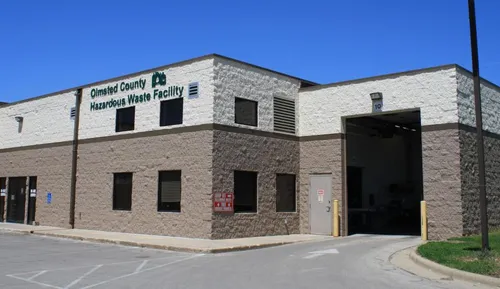
Olmsted County Environmental Resources Department
2122 Campus Dr SE #200, Rochester, MN 55904
Olmsted County Environmental Resources Department in Rochester, MN provides food waste and composting services tailored for restaurants. The department manages various environmental programs including composting sites and waste-to-energy facilities that reduce landfill waste significantly. They also operate a Materials Recovery Facility to enhance recycling efforts and support sustainable waste management in the community. The department offers resources and programs aimed at reducing food waste and promoting environmental sustainability throughout Olmsted County.

Dakota Prairie Composting
12386 Chestnut Blvd, Shakopee, MN 55379
Dakota Prairie Composting is the largest organics recycling facility in the Midwest, located in Shakopee, MN. The company specializes in food waste and composting services for restaurants and other sources of organic materials. They transform food, yard, and wood waste into high-quality soil amendments that support soil health and sustainable landscapes. Dakota Prairie Composting follows innovative and environmentally responsible practices inspired by Dakota traditions to protect the environment for future generations.
Understanding Minnesota's Organics Recycling Landscape
Minnesota does not yet have a universal, statewide landfill ban for all commercial food waste. Instead, the push for organics diversion is led by the Minnesota Pollution Control Agency (MPCA) and enforced at the county and city levels, particularly within the Twin Cities metropolitan area. The MPCA strongly promotes organics recycling as a critical strategy to cut methane emissions, a potent greenhouse gas generated when food waste decomposes in landfills.
The most significant regulations for restaurants come from local mandates. Hennepin County's Ordinance 13 is a key example, requiring most large food waste generators-including many restaurants-to separate food scraps and compostable paper from their trash. Similar rules exist in Ramsey County and cities like St. Paul, often integrated into broader mandatory commercial recycling programs. If your restaurant is located in these areas, setting up a compliant organics recycling system is not optional; it's a requirement for your business license and operations.
How Commercial Food Waste Collection Works
For most restaurants, partnering with a professional hauler is the most practical and efficient method for organics recycling.
- Service Setup: Companies like Republic Services, Waste Management, and numerous local haulers provide dedicated containers for food waste, often distinguishable by green lids. You'll work with them to determine the right bin size (e.g., 32-gallon cart, 64-gallon cart, or a larger dumpster) and pickup frequency (weekly, bi-weekly, or more often) based on your volume.
- The Process: Staff separate acceptable organic materials during food prep and cleanup into designated bins in the kitchen and dishwashing areas. The hauler collects the full bins on schedule and transports the material to a commercial composting facility or anaerobic digester.
- Alternative Options: Some municipalities or private facilities offer drop-off locations for smaller quantities of commercial food waste. On-site composting systems are possible for some operations but are less common due to space, management, and regulatory requirements.
What Can (and Cannot) Go in the Organics Bin?
Proper sorting is essential for a successful program. Contamination with non-compostable items can result in rejected loads and extra fees. Always confirm specific guidelines with your hauler, but general rules apply:
Accepted Materials Typically Include:
- Food Scraps: Fruit and vegetable peels, plate scrapings, spoiled food, coffee grounds and filters, tea bags.
- Animal Products: Meat, bones, dairy, and seafood (accepted by most commercial composters).
- Compostable Paper: Soiled paper napkins, towels, uncoated paper plates, and approved compostable serviceware (look for BPI certification).
Common Contaminants to Exclude:
- Plastics: Even if labeled "biodegradable," unless specifically certified compostable.
- Liquids: Cooking oils, grease, and beverages (these require separate recycling or disposal).
- Other Trash: Glass, metal, Styrofoam, and conventional plastic wrap 1.
Find the perfect composting & food waste companies for your needs
Get personalized recommendations and expert advice
The Cost of Composting for Restaurants
A common concern is the added expense. While there is a direct cost for organics collection, the financial picture is often more favorable when you view it as part of your total waste management strategy.
- Typical Pricing: Costs vary based on location (metro vs. rural), volume, and frequency. A small to medium restaurant might expect to pay between $50 and $200+ per month for a dedicated organics service 2 3.
- The Savings Opportunity: General trash disposal is typically more expensive per pound than organics recycling. By diverting heavy, wet food waste from your trash bin, you can often downsize your garbage dumpster or reduce pickup frequency, leading to lower trash bills. The savings on trash service can partially or completely offset the cost of the new organics service, sometimes resulting in a net reduction in total waste expenses 4.
- Financial Incentives: Check with your county (e.g., Hennepin, Ramsey) for potential rebates, grants, or technical assistance programs designed to help businesses start recycling organics 5.
A Step-by-Step Action Plan for Your Restaurant
- Research Local Rules: Your first step is to determine what ordinances apply to you. Contact your city hall or county environmental department (especially if in Hennepin or Ramsey County) to understand your specific requirements and deadlines 6 7.
- Audit Your Waste: Conduct a brief waste audit over a few days to see how much of your trash is actually compostable organic material. This will help you gauge the potential volume and savings.
- Contact Service Providers: Get quotes from 2-3 licensed haulers that offer commercial organics collection in your area. Discuss bin sizes, frequencies, and ask for a bundled quote that includes adjusting your trash service downward.
- Implement and Train: Once you choose a provider, set up the collection bins in convenient locations. Then, train every staff member-from chefs to dishwashers to servers-on what goes where. Clear signage and ongoing communication are key to preventing contamination and ensuring program success 8.
- Promote Your Efforts: Let your customers know you compost! This commitment to sustainability is a powerful marketing tool that resonates with a growing segment of diners who prefer to support environmentally responsible businesses.
Beyond Compliance: The Broader Benefits
While local mandates are a strong motivator, the advantages of a robust food waste program extend further. Diverting organics reduces your restaurant's contribution to landfill methane, a greenhouse gas over 25 times more potent than carbon dioxide 9. It also supports a circular economy, turning waste into nutrient-rich compost that can be used to grow new food. Furthermore, engaging in these practices can improve staff morale, streamline kitchen operations, and enhance your brand's reputation as a forward-thinking, community-oriented establishment 10.
Frequently asked questions
Sources
Footnotes
-
Egg Cartons | UMN Facilities Management - https://facilities.umn.edu/egg-cartons ↩
-
Composting - USDA - https://www.usda.gov/about-usda/general-information/initiatives-and-highlighted-programs/peoples-garden/food-access-food-waste/composting ↩
-
Frequently asked questions about organics recycling - https://www.pca.state.mn.us/air-water-land-climate/frequently-asked-questions-about-organics-recycling ↩
-
The Benefits of Composting Food Waste for Take-Out Restaurants - Central Waste - https://centralwaste-liverpool.co.uk/the-benefits-of-composting-food-waste-for-take-out-restaurants/ ↩
-
Business recycling - https://www.hennepin.us/business/recycling-hazardous-waste/business-recycling ↩
-
Organics recycling for residents | Hennepin County - https://www.hennepin.us/residents/recycling-hazardous-waste/organics-recycling ↩
-
Organics Recycling - City of Maple Plain MN - https://www.mapleplainmn.gov/public-works/page/organics-recycling ↩
-
What is Restaurant Composting? - Benefits & How It Works - https://www.webstaurantstore.com/article/60/restaurant-composting.html ↩
-
FAQs • What are the benefits of organics recycling? - https://www.robbinsdalemn.gov/FAQ.aspx?QID=190 ↩
-
Minneapolis restaurants offer takeout food without a side of guilt for using wasteful containers - https://www.startribune.com/minneapolis-restaurants-offer-takeout-food-without-a-side-of-guilt-for-using-wasteful-containers/600039636 ↩