Find the Best Composting & Food Waste Companies for Your Business
No obligation • Fast responses • Nationwide coverage

Why you can trust Restaurant Waste Disposal
Restaurant Waste Disposal is a leading U.S. resource for comparing restaurant composting, food-waste recycling, grease trap cleaning, and used cooking oil collection services. Our editorial team researches providers, checks credentials, and organizes unbiased information so operators can make informed decisions. Companies cannot pay to change ratings or placement.
Search providers near you
Top Composting & Food Waste Companies in Taylor, Michigan Ranked
For restaurants and food service businesses in Taylor, managing organic waste effectively is a critical part of operations and sustainability planning. While the city provides a seasonal yard waste program for residents, commercial food waste diversion requires a different, privately managed approach. Navigating the options for food scrap recycling, grease trap servicing, and used cooking oil collection is essential for reducing landfill contributions, potentially lowering waste costs, and meeting growing customer expectations for environmentally responsible practices. This guide outlines the local landscape for organic waste management, helping Taylor businesses understand their options and key considerations.
The municipal system in Taylor is designed primarily for residential yard debris. The city offers curbside collection of grass clippings, leaves, and yard trimmings from March through early December, requiring materials to be placed in labeled 32-gallon cans or approved paper compost bags 1 2. This program explicitly does not accept food waste, meaning restaurants, cafeterias, and other commercial kitchens cannot use this service for their food scraps, meat, dairy, bones, or soiled paper products 1 3. Consequently, businesses seeking to divert food waste from the landfill must engage private waste haulers who offer specialized commercial organics collection.
Midtown Composting
4272 Alter Rd, Detroit, MI 48215
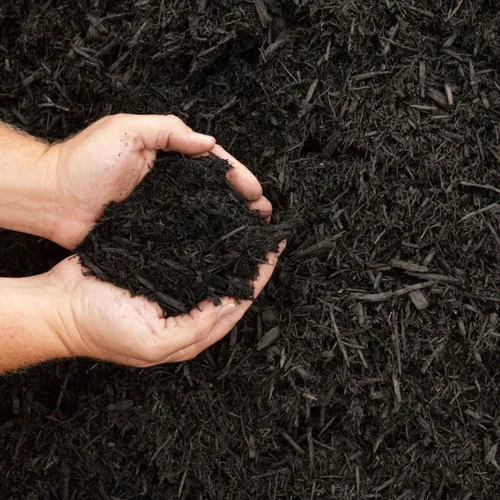
Midtown Composting provides food waste and composting services for restaurants in Detroit, MI. They offer weekly pickup of food scraps, including pet waste and meat, helping businesses reduce trash and compost organic materials. The company also provides lawn care and snow removal services.
Spurt Industries
2041 Charms Rd, Wixom, MI 48393
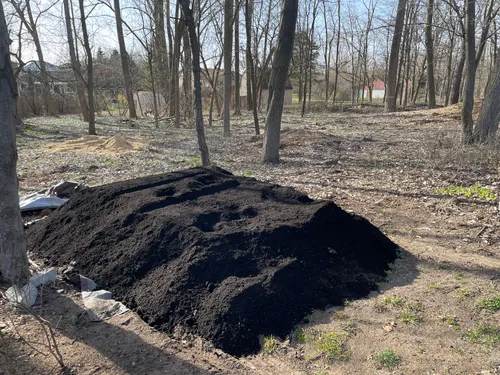
Spurt Industries is a composting and organic waste recycling company based in Novi, MI. They specialize in food waste collection for restaurants and commercial clients, as well as yard waste, brush, and clean wood recycling. Spurt produces STA certified compost and custom soil blends, serving both residential and commercial customers. Their facilities in Wixom and Rochester Hills handle large volumes of organic waste annually, contributing to sustainable soil products and environmental efforts. The company has a history of supporting local green industries and offers delivery services for compost and soil products.
Understanding Commercial Food Waste Solutions
For a food service establishment, implementing a food scrap recycling program involves several steps. First, you must identify a hauler that provides commercial organics collection in the Taylor area. Companies like Priority Waste, which manages the city's residential trash and recycling, often offer commercial services or can direct businesses to appropriate providers 4 5. Other regional compost haulers may also service the area. The process typically begins with a waste audit to determine the volume of food waste generated, which directly influences the type of container provided and the frequency of pickup.
Container types and logistics are hauler-dependent but generally involve dedicated carts or dumpsters. You might use 32-gallon or 64-gallon wheeled carts for smaller volumes, or larger dumpsters for high-output kitchens. These containers are often lined with certified compostable bags to keep them clean and prevent contamination. Pickup schedules can range from weekly to several times per week, depending on your establishment's needs and the hauler's routes. It's crucial to have a clear internal process for staff to separate food scraps from trash and recycling, using clearly labeled bins in prep and dishwashing areas.
Key Considerations for a Successful Program
Launching an organics diversion program isn't just about signing a contract; it requires ongoing management to ensure success. The most critical factor is contamination control. Compost facilities have strict rules to ensure the final compost product is clean and usable. This means no plastic bags (unless they are certified compostable), no rubber bands, stickers, or conventional packaging, and minimal liquids 6 7. Educating every team member-from dishwashers to chefs-on what goes in the compost bin is an ongoing effort that determines the program's viability.
Cost structures for commercial food waste collection vary. You will typically pay a monthly service fee based on the container size and pickup frequency. While this represents an additional line item, many businesses find they can downsize their general trash dumpster or reduce trash pickup frequency, potentially offsetting some of the new cost. Furthermore, diverting organics can significantly reduce the volume of waste sent to landfills, which is both an environmental benefit and can be a powerful marketing point for eco-conscious customers. Some haulers may also provide annual tonnage reports, helping you track your diversion success and sustainability goals.
Beyond Food Scraps: Grease and Cooking Oil
A comprehensive organic waste strategy for a restaurant also addresses used cooking oil (UCO) and grease trap waste. These materials are not suitable for compost but are valuable for recycling into biofuels, animal feed, and other products. Many waste management companies offer integrated services, collecting food scraps, UCO, and providing grease trap cleaning. Proper management of grease interceptors is not only an operational necessity to prevent sewer blockages but also a regulatory requirement. Partnering with a provider that handles both liquid and solid organics can streamline your vendor relationships and reporting.
Find the perfect composting & food waste companies for your needs
Get personalized recommendations and expert advice
The Benefits of Diverting Food Waste
Implementing a robust organics program offers tangible benefits. Environmentally, it reduces methane emissions from landfills, a potent greenhouse gas. Operationally, it can lead to cleaner kitchen areas and reduce pest attraction associated with food waste in trash bins. Financially, while there is a service cost, potential savings on trash hauling and the avoided cost of grease trap problems can improve the bottom line. Additionally, showcasing your commitment to food waste recycling can enhance your brand's reputation, appealing to a growing segment of patrons who prefer to support sustainable businesses.
Getting Started in Taylor
The first action step for any Taylor restaurant interested in composting is to contact commercial waste haulers. Reach out to your current trash provider to inquire about add-on organics collection services. If they do not offer it, they can often recommend a partner who does. Be prepared to discuss your average weekly volume of food waste, your current trash service schedule, and your kitchen's layout. Request clear guidelines on acceptable materials, container options, and a detailed price quote. Many providers will assist with initial staff training and supply the necessary indoor collection bins and signage to launch your program smoothly.
Remember, transitioning to food waste recycling is a process. Start with a pilot program in one area of the kitchen, gather feedback from staff, and adjust your procedures before rolling it out facility-wide. The goal is to create a simple, habitual system that becomes a seamless part of your daily operations, turning what was once trash into a valuable resource for compost.
Frequently asked questions
Sources
Footnotes
-
Services | Taylor, MI - https://www.cityoftaylor.com/247/Services ↩ ↩2
-
Taylor, MI Trash & Recycling Pickup - Priority Waste - https://www.prioritywaste.com/municipality/taylor-mi/ ↩
-
Transfer Station & Compost Facility | Taylor, MI - https://www.cityoftaylor.com/226/Transfer-Station-Compost-Facility ↩
-
Rubbish & Recycling Program | Taylor, MI - https://www.cityoftaylor.com/238/Rubbish-Recycling-Program ↩
-
Restaurant Composting and the Shift Toward Zero-Waste Foodservice - https://www.tmkcomposter.com/restaurant-composting-and-the-shift-toward-zero-waste-foodservice/ ↩
-
What to Compost - https://www.collectiveresourcecompost.coop/what-to-compost ↩
-
Food Waste Drop-Off | Residents - https://zerowaste.dc.gov/foodwastedropoff ↩