Find the Best Composting & Food Waste Companies for Your Business
No obligation • Fast responses • Nationwide coverage

Why you can trust Restaurant Waste Disposal
Restaurant Waste Disposal is a leading U.S. resource for comparing restaurant composting, food-waste recycling, grease trap cleaning, and used cooking oil collection services. Our editorial team researches providers, checks credentials, and organizes unbiased information so operators can make informed decisions. Companies cannot pay to change ratings or placement.
Search providers near you
Top Composting & Food Waste Companies in Hammond, Indiana Ranked
For restaurant owners and food service operators in Hammond, managing organic waste effectively is a critical operational and environmental consideration. While the city does not currently offer a large-scale municipal program dedicated to commercial food scrap collection, several pathways exist to establish a responsible food waste recycling or composting system. Navigating these options involves understanding local regulations, connecting with private service providers, and leveraging county-level resources to turn potential landfill material into a valuable resource. This guide outlines the current landscape for organic waste management, providing a clear roadmap for Hammond businesses looking to enhance their sustainability practices.
The foundation of any waste management plan in Indiana starts with state rules from the Indiana Department of Environmental Management (IDEM), which oversees commercial waste. In Hammond, the city's sanitation department focuses primarily on residential trash and yard waste collection, meaning restaurants must seek alternative solutions for their food waste stream 1. The good news is that options range from contracting with national waste haulers to exploring on-site composting, all within a framework designed to keep organic material out of the local landfill.
WasteNot Compost
Chicago, IL
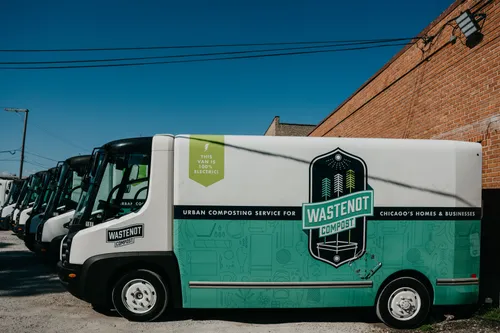
WasteNot Compost provides food waste and composting services for homes, businesses, and events in Chicago, IL. Their service uses 100% electric vehicles to collect compostable waste, offering scheduled pickups with clean, sanitized receptacles. Members can also access a shop for compostable and sustainable products with zero emissions delivery. WasteNot Compost has been serving the community since at least 2015, focusing on reducing landfill waste and greenhouse gas emissions through convenient composting solutions.
Block Bins
Aurora, IL
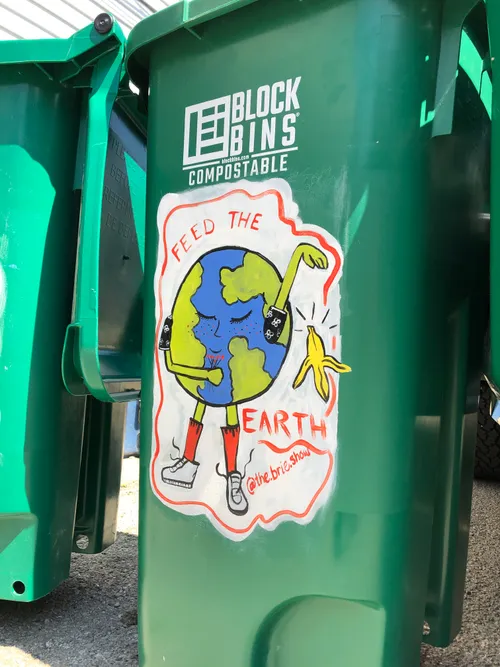
Block Bins provides food waste composting and recycling services for restaurants, homes, schools, and events in Aurora, IL. They offer locked shared bins to reduce contamination and clutter, with regular pickups and power washing to maintain cleanliness. Subscribers pay for a set volume of compost space, making it a flexible and community-friendly option. Block Bins has been serving customers for over five years and supports sustainable waste diversion through dedicated-stream recycling bins.
Collective Resource Compost Cooperative
Evanston, IL
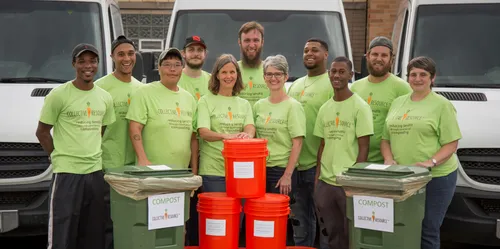
Collective Resource Compost Cooperative provides food waste composting services for restaurants and households in Evanston, IL. They offer customized container-swap programs with flexible options ranging from small 5-gallon buckets to large 32-gallon totes, supporting communal composting in multi-unit buildings and neighborhoods. The cooperative emphasizes easy composting with expert guidance and manages various waste streams, including food scraps and certified compostable products. They have exclusive franchise agreements in several municipalities and serve a broad area within Chicagoland. With over a decade of experience, Collective Resource promotes sustainable waste reduction and soil regeneration through community-focused composting programs.
Understanding Local Rules and On-Site Options
Before exploring collection services, it's essential to know what the City of Hammond allows. The municipal code permits composting activities, but with specific stipulations for on-site operations. According to city ordinance, compost piles must be maintained in a controlled system and cannot exceed three feet in height or five feet in width 2. They must also be properly managed for moisture and ventilation to prevent odors and pests. This option is geared toward using the finished compost on the property where it's created, not for large-scale collection or off-site processing 3.
For restaurants with very limited outdoor space or high volumes of waste, on-site composting may not be feasible. However, understanding these rules is crucial for any business considering a small-scale garden or landscaping supplement from its prep waste. The city's primary concern is maintaining public health and nuisance standards, so adherence to these size and maintenance guidelines is mandatory 4.
Private Hauling and Collection Services
The most practical solution for many Hammond restaurants is to contract with a private waste hauler that offers organic recycling services. These companies provide the bins, scheduled pickups, and transportation to commercial composting facilities.
- National Providers: Major national waste management companies, such as Waste Management (WM), operate in Hammond and offer commercial trash services. They can be contacted directly to inquire about specific composting and food waste collection programs, container types, and associated pricing. Availability and program details can vary, so a direct quote is necessary.
- Regional and Local Haulers: Beyond national companies, it's worthwhile to investigate regional private haulers serving Northwest Indiana. While some dedicated composting services are based in other parts of the state, such as Indianapolis, they may offer routes or partnerships in the Lake County area 5 6. Researching local providers can sometimes yield more tailored services or competitive rates.
When contacting these providers, be prepared to discuss your estimated weekly volume of food waste, your available space for containers, and your desired pickup frequency (e.g., weekly, bi-weekly).
The Role of Lake County Solid Waste Management District
A key local resource for Hammond businesses is the Lake County Solid Waste Management District (LCSWMD). This county-wide organization provides educational resources and oversees waste management initiatives for the region. While they may not directly collect restaurant food waste, they are an invaluable point of contact for guidance. The LCSWMD can offer information on best practices, may be aware of pilot programs or local facilities accepting commercial organics, and can connect you with relevant resources 7. Reaching out to them should be an early step in your research process to understand the county-wide context and available support.
Program Eligibility and Contamination Guidelines
Eligibility for a food waste recycling program is determined entirely by the private hauler or receiving facility you contract with. There is no city-wide eligibility standard. However, universal rules apply to the quality of the material you set out for collection, often referred to as "contamination" guidelines.
To ensure your food waste is accepted for composting, it must be kept separate from:
- General trash
- Traditional recyclables like plastics, glass, and metals
- Yard waste (unless the specific program accepts a combined stream)
- Non-compostable materials such as plastic gloves, utensils, rubber bands, and packaging
Contamination is a primary reason loads are rejected by processing facilities. Even a small amount of plastic can compromise an entire batch of compost. Clear signage and staff training are essential for a successful program.
Find the perfect composting & food waste companies for your needs
Get personalized recommendations and expert advice
Container Types, Schedules, and Operational Logistics
The logistics of your food waste program will be customized with your service provider. Common container options for commercial kitchens include:
- 64-gallon wheeled totes: Suitable for lower-volume producers or for back-of-house collection before transfer to a larger bin.
- Larger dumpsters or roll-off carts: Used for high-volume generators, often placed in a loading dock or service alley.
Pickup schedules are typically weekly or bi-weekly but can be adjusted based on your needs and volume. Your hauler will specify the type of liner (if any) required for indoor collection pails and will provide details on where to place the container for service. It's important to factor in the space needed for an additional waste stream in your kitchen's workflow and storage areas.
Cost Considerations for Food Waste Recycling
Investing in organics recycling involves a cost, but it can also potentially reduce your expenses for general trash disposal by diverting heavy, wet material. Pricing is highly variable and depends on several factors:
- Volume of waste: The size and number of containers you need.
- Frequency of pickup: More frequent service increases cost.
- Hauler and transportation distance: Rates differ between providers and depend on the location of the processing facility.
- Market value of compost: This has minimal direct impact on restaurant costs.
Because costs are not standardized, the most important step is to get detailed quotes from multiple vendors8 9. Compare not only the price but also the services included, such as bin provision, liner service, and customer support. This will help you find a program that fits both your operational needs and your budget.
Building a Sustainable System: Next Steps for Your Business
Implementing a food waste diversion program is a proactive step toward sustainability. To begin:
- Conduct a Waste Audit: Understand how much and what type of food waste your kitchen produces.
- Contact the LCSWMD: Seek local guidance and resources from the Lake County Solid Waste Management District 10.
- Solicit Multiple Quotes: Reach out to Waste Management and other regional private haulers to compare commercial food waste program offerings.
- Review State Rules: Familiarize yourself with IDEM's guidelines for commercial waste management to ensure full compliance 11.
- Train Your Staff: Develop clear procedures and educate your team on proper sorting to prevent contamination.
By taking these steps, Hammond restaurants can effectively manage their organic waste, contribute to local sustainability goals, and potentially realize operational efficiencies.
Frequently asked questions
Sources
Footnotes
-
Sanitation Department | City of Hammond, Indiana - https://www.gohammond.com/departments/hammond-public-works/sanitation-department/ ↩
-
§ 94.023 COMPOSTING; REQUIREMENTS. - https://codelibrary.amlegal.com/codes/hammond/latest/hammond_in/0-0-0-5247 ↩
-
Recycling Program | City of Hammond, Indiana - https://www.gohammond.com/departments/hammond-public-works/recycling-program/ ↩
-
CHAPTER 94: GARBAGE, LITTER AND WEEDS - https://codelibrary.amlegal.com/codes/hammond/latest/hammond_in/0-0-0-5047 ↩
-
Green with Indy Compost Services - https://www.greenwithindy.com/ ↩
-
Richland Farms | Compostery | Refillery | Robotics - https://www.richlandfarms.net/ ↩
-
Hammond Public Works | Lake County Solid Waste Management - https://www.lcswmd.com/hammond-public-works/ ↩
-
Business Waste & Commercial Garbage Service in Hammond, IN - https://www.wm.com/us/en/location/in/hammond/commercial-trash-service-hammond-in ↩
-
Reminder: The Yard Waste Program starts the week of May 4th ... - https://www.facebook.com/GoHammondIN/posts/reminder-the-yard-waste-program-starts-the-week-of-may-4th-please-use-the-brown-/1549393375199942/ ↩
-
District Information | Lake County Solid Waste Management - https://www.lcswmd.com/about-us/what-is-the-lcswmd/ ↩
-
IDEM: Managing Waste: Laws and Rules - IN.gov - https://www.in.gov/idem/waste/laws-and-rules/ ↩