Find the Best Composting & Food Waste Companies for Your Business
No obligation • Fast responses • Nationwide coverage

Why you can trust Restaurant Waste Disposal
Restaurant Waste Disposal is a leading U.S. resource for comparing restaurant composting, food-waste recycling, grease trap cleaning, and used cooking oil collection services. Our editorial team researches providers, checks credentials, and organizes unbiased information so operators can make informed decisions. Companies cannot pay to change ratings or placement.
Search providers near you
Top Composting & Food Waste Companies in Fort Wayne, Indiana Ranked
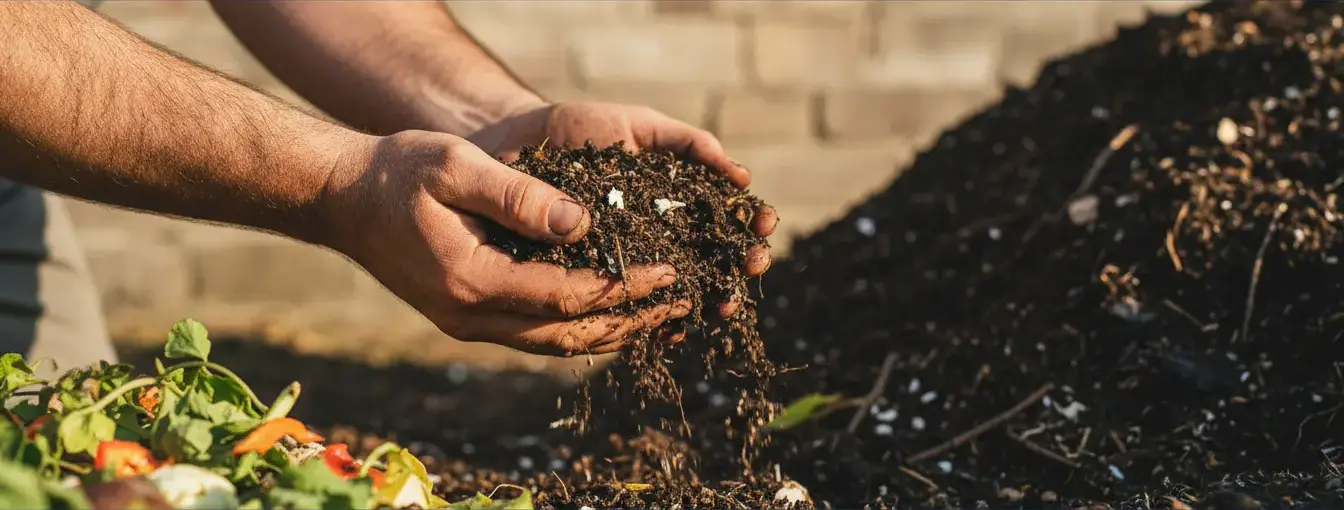
For restaurants and food service businesses in Fort Wayne, managing organic waste is no longer just a disposal issue-it's an operational opportunity. Implementing a commercial food waste composting program can significantly reduce landfill contributions, lower waste hauling costs, and demonstrate a commitment to environmental sustainability. The city's growing infrastructure for organic recycling makes it increasingly feasible for establishments of all sizes to divert food scraps from the trash stream. By partnering with specialized local haulers, Fort Wayne restaurants can transform kitchen waste into a valuable resource, contributing to a more circular local economy and enhancing their green credentials.
Successful organic waste diversion hinges on understanding the local service landscape, from eligibility and accepted materials to logistics and cost structures. This guide provides a detailed overview of commercial food scrap composting and recycling options specifically for the Fort Wayne area.
Understanding Commercial Composting Services
Commercial composting services differ from residential programs in scale, frequency, and the types of materials accepted. For a restaurant, the primary goal is to efficiently separate pre- and post-consumer food waste from other trash streams. Local providers typically offer a range of service plans tailored to the volume of organic waste a business produces, from small cafes to large banquet facilities. These services handle the collection, transportation, and processing of food scraps into finished compost, which is often used in local agriculture or landscaping.
Key components of these services include the provision of dedicated collection containers, a reliable pickup schedule, and clear guidelines on what can and cannot be composted. Establishing this system requires initial staff training and a commitment to maintaining separation to avoid contamination, which can compromise an entire load of compostable material.
Local Service Providers and Options
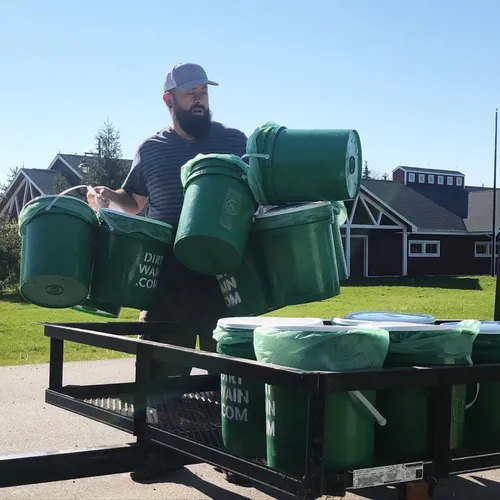
In Fort Wayne, Dirt Wain is a prominent local company specializing in food scrap collection for businesses, schools, and homes. They focus on turning organic waste into nutrient-rich compost, closing the loop within the community. Their commercial services are designed to be flexible, accommodating the varying needs of different food service operations.
For restaurants, Dirt Wain offers specific plans. Their FOODscrapper One plan is an entry-level option for food scrap collection, while the ZEROwaster One plan combines food and yard waste pickup. They provide the necessary containers, such as 5-gallon pails for smaller volumes of waste, and work with businesses to establish a pickup schedule-whether weekly, bi-weekly, or customized-that matches their production levels.
What Materials Can Be Composted?
Knowing exactly what goes into the compost bin is critical for a successful program. Generally, a wide array of food scraps from a commercial kitchen are acceptable.
Accepted Food Scraps Typically Include:
- Fruits and vegetables: Cores, peels, scraps, and spoiled produce.
- Grains and bread: Stale bread, pasta, rice, and cereal.
- Eggshells and nutshells.
- Coffee grounds and paper filters.
- Tea bags (without staples).
- Cooked foods: Leftovers, meat, bones, and dairy products (specifics can vary by composter; Dirt Wain accepts these) 1.
Common Contaminants to Exclude:
- Plastic bags, wrap, or packaging.
- Metals, glass, or foil.
- Liquids, oils, and grease (separate grease trap services are needed for these).
- Styrofoam or other non-compostable serviceware.
It is always essential to confirm the specific list with your service provider, as capabilities can differ.
Costs and Service Plans
Investing in food waste diversion involves a monthly service fee, which varies based on the volume of waste, frequency of pickup, and type of plan selected. For reference, Dirt Wain's entry-level FOODscrapper One plan for food scraps starts at approximately $21.50 per month 2. A more comprehensive plan like ZEROwaster One, which includes both food and yard waste, starts around $40 per month 2. There may also be a one-time fee for the initial supply of a collection bin or cart. While this represents an added line item, many businesses find that reducing their volume of general trash can lead to lower garbage hauling fees or allow for less frequent standard trash pickups, offsetting some of the composting cost.
Find the perfect composting & food waste companies for your needs
Get personalized recommendations and expert advice
Implementing a Program in Your Restaurant
Starting a composting program requires planning and team engagement. Begin by conducting a waste audit to estimate how much organic material your kitchen produces. This will help you choose the right service plan and bin size. Next, designate a convenient, well-labeled station in your kitchen for food scrap collection. Educate every team member-from dishwashers to chefs-on what is compostable and why the program matters. Clear signage at the collection point is invaluable. Start with back-of-house pre-consumer waste (like vegetable trimmings) before expanding to post-consumer scraps from plates, which may require customer-facing bins in the dining area.
Benefits Beyond Waste Reduction
Diverting food waste offers advantages that extend far beyond the dumpster. It aligns with growing consumer preference for environmentally responsible businesses, enhancing your restaurant's public image. It can also fulfill corporate sustainability reporting requirements for larger chains. On a community level, it supports the local green economy and contributes to the production of compost that enriches soils in the region. Furthermore, the process of tracking food waste often leads to greater operational awareness, helping kitchens identify over-preparation and potentially reduce food costs at the source.
Handling Grease and Cooking Oil
While food scraps are managed through composting, used cooking oil (UCO) and grease trap waste require separate, specialized recycling services. These materials are valuable feedstocks for biodiesel production and other industrial uses. Many waste management companies offer used cooking oil collection, providing sealed containers and scheduled pickups. Grease trap cleaning is a critical maintenance service to prevent plumbing backups and environmental violations. Restaurants should establish regular service contracts with licensed providers for these streams to ensure compliance and maximize recycling opportunities.
Navigating Regulations and Compliance
Fort Wayne and Indiana have regulations governing commercial waste, particularly for grease interceptors to prevent sewer system blockages. While there may not be a city-wide mandate for commercial food waste composting yet, being proactive positions your business favorably for any future regulations. It's also important to ensure your composting partner is properly permitted to handle and process commercial organic waste. Maintaining records of your diversion efforts can be beneficial for sustainability certifications or incentive programs.
Frequently asked questions
Sources
Footnotes
-
Dirt Wain - Northeast Indiana Local Food Network - https://www.neifood.org/organizations/dirt-wain ↩
-
Home | DIRT WAIN | Food Scrap Composting, Greater Fort Wayne ... - https://www.dirtwain.com/ ↩ ↩2