Find the Best Composting & Food Waste Companies for Your Business
No obligation • Fast responses • Nationwide coverage

Why you can trust Restaurant Waste Disposal
Restaurant Waste Disposal is a leading U.S. resource for comparing restaurant composting, food-waste recycling, grease trap cleaning, and used cooking oil collection services. Our editorial team researches providers, checks credentials, and organizes unbiased information so operators can make informed decisions. Companies cannot pay to change ratings or placement.
Search providers near you
Top Composting & Food Waste Companies in Stonecrest, Georgia Ranked
For restaurants and food service businesses in Stonecrest, managing organic waste responsibly is both an environmental imperative and a practical operational consideration. While the city does not offer a municipal composting program for all residents, commercial entities have robust options through private waste haulers to divert food scraps from landfills. Implementing a food waste recycling program can significantly reduce your business's environmental footprint, potentially lower waste disposal costs, and align with growing consumer expectations for sustainable practices. This guide outlines the essential steps, providers, and considerations for establishing a successful commercial composting system for your Stonecrest establishment.
Understanding Commercial Composting Services
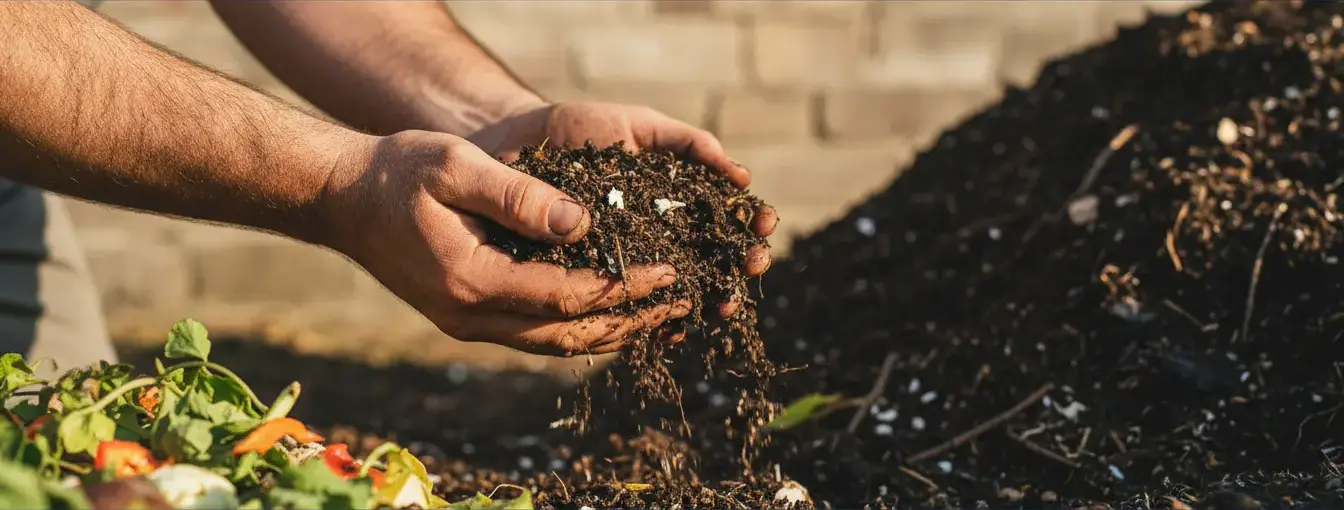
Commercial composting, or organic waste recycling, involves the controlled biological decomposition of food scraps and other acceptable materials into a nutrient-rich soil amendment. For restaurants, this process is managed by private hauling companies that provide specialized containers, regular pickup schedules, and transport the waste to a commercial composting facility. The key distinction from backyard composting is the scale and the ability to process a wider variety of materials, including meat, dairy, and compostable serviceware, under high-temperature conditions that break down pathogens. By partnering with a hauler, your business contributes to a circular economy, turning waste into a valuable product for agriculture and landscaping.
Available Service Providers in Stonecrest
Stonecrest businesses typically contract with national waste management firms or regional haulers that offer commercial organic waste collection as part of their service portfolio.
- National Providers: Major companies like Republic Services and Waste Management operate in the area and offer comprehensive commercial waste solutions, including dedicated food scrap collection. They provide standardized equipment and reliable, scheduled pickups.
- Local and Regional Haulers: Several smaller, local waste collection companies also service Stonecrest and the greater Atlanta area. These providers can sometimes offer more flexible service terms or competitive pricing. It's advisable to search for "commercial composting" or "organic waste hauling" services specific to the Stonecrest/DeKalb County region to identify these options.
- Service Model: All providers follow a similar model: they conduct a waste audit or consultation, supply appropriate containers, establish a pickup frequency, and handle all transportation and processing logistics.
What You Can and Cannot Compost
Adhering to contamination guidelines is the most critical factor for a successful program. Contaminated loads can be rejected by composting facilities, leading to additional fees and undermining the environmental benefits.
Accepted Materials (Always confirm with your specific hauler):
- All Food Scraps: Fruits, vegetables, meat, bones, fish, dairy products, bread, and grains.
- Pre-Consumer Waste: Peels, rinds, spoiled produce, eggshells, and coffee grounds (including filters).
- Compostable Serviceware: Plates, cups, utensils, and containers that are certified compostable (e.g., BPI-certified). Important: Not all "biodegradable" items are compostable in a commercial facility 1.
- Other Organics: Paper towels, napkins (unbleached is best), and pizza boxes (if not heavily soiled with grease).
Strictly Prohibited Materials (Common Contaminants):
- Plastics: This includes plastic bags, wrappers, and packaging. Do not use plastic bags as bin liners unless they are specifically certified compostable.
- Glass, Metal, and Foam: Bottles, cans, aluminum foil, and Styrofoam.
- Liquids: Oils, grease, and beverages.
- Non-Compostable Serviceware: Conventional plastic utensils, straws, or coated paper products.
Container Options and Pickup Schedules
Your service provider will help you select the right container size and collection frequency based on your establishment's volume of food waste.
- Container Types: Haulers typically offer a range of standardized wheeled carts, similar to recycling bins, in sizes such as 32-gallon, 64-gallon, or 96-gallon. For larger operations generating significant volume, 1 to 8-cubic-yard dumpsters may be provided. Some haulers supply compostable bin liners to keep containers clean.
- Pickup Schedules: Frequency is tailored to your needs to prevent odor and pest issues. Common schedules are weekly or bi-weekly pickup. A high-volume restaurant may require multiple pickups per week, while a smaller cafe might manage with a single weekly service. The schedule directly impacts the overall service cost.
Find the perfect composting & food waste companies for your needs
Get personalized recommendations and expert advice
Costs and Pricing Structure
Investing in composting involves a monthly service fee paid to your hauler. Costs are not fixed and depend entirely on your specific service agreement.
- Primary Cost Factors: The total monthly fee is determined by the size of the container and the frequency of pickup. A larger bin or more frequent collections will cost more.
- Price Range: Based on common industry rates, restaurants in Stonecrest can expect monthly costs to range from approximately $50 to over $200. For example, a small cafe using a 32-gallon bin with weekly pickup might pay around $75 per month. A full-service restaurant using a 96-gallon cart or small dumpster with weekly service could pay $150 or more monthly 2 3.
- Getting a Quote: The only way to get an accurate price is to contact providers directly. They will ask for an estimate of your weekly food waste volume (often in gallons or pounds) to recommend a service plan and provide a formal quote. It is wise to obtain quotes from 2-3 different haulers to compare services and pricing.
How to Start a Composting Program
Launching a program requires planning and team engagement. Follow these steps to ensure a smooth rollout.
- Contact Haulers: Reach out to providers like Republic Services, Waste Management, or local Stonecrest haulers to discuss your needs and request a consultation or waste audit.
- Get a Detailed Quote: Provide each hauler with your best estimate of food waste volume and desired service level. Review the quotes carefully, noting the container size, pickup schedule, and all associated fees.
- Receive Training and Supplies: Once you select a provider, they will deliver your containers and often provide training materials or on-site guidance for your staff on what is and is not acceptable in the compost bin.
- Educate and Engage Your Team: Successful implementation depends on every staff member, from dishwashers to chefs. Hold a training session, post clear signage above the compost bin (often provided by the hauler), and explain the why behind the program to foster buy-in.
- Monitor and Adjust: Place collection bins strategically in food prep and dishwashing areas. Monitor the first few pickups for contamination issues and provide feedback to your team. You can always contact your hauler to adjust your service level (container size or frequency) as needed.
Benefits Beyond Waste Diversion
While the direct environmental benefit of reducing landfill methane emissions is paramount, a composting program offers tangible business advantages.
- Potential Cost Savings: By diverting heavy, wet food waste from your trash dumpster, you may be able to reduce the size of your garbage container or decrease the frequency of trash pickups, offsetting some of the composting service cost.
- Enhanced Brand Image: Demonstrating a commitment to sustainability resonates with a growing segment of consumers and can be a powerful marketing tool.
- Staff Morale: Many employees, particularly younger generations, prefer to work for businesses that demonstrate social and environmental responsibility.
- Regulatory Preparedness: As environmental regulations evolve, having an established organics recycling program positions your business ahead of potential future mandates.
Frequently asked questions
Sources
Footnotes
-
Composting | US EPA - https://www.epa.gov/sustainable-management-food/composting ↩
-
What is Restaurant Composting? - Benefits & How It Works - https://www.webstaurantstore.com/article/60/restaurant-composting.html ↩
-
Chapter 16.12 SOLID WASTE AND RECYCLABLE COLLECTION AND DISPOSAL - https://www.codepublishing.com/CA/BellGardens/html/BellGardens16/BellGardens1612.html ↩