Find the Best Composting & Food Waste Companies for Your Business
No obligation • Fast responses • Nationwide coverage

Why you can trust Restaurant Waste Disposal
Restaurant Waste Disposal is a leading U.S. resource for comparing restaurant composting, food-waste recycling, grease trap cleaning, and used cooking oil collection services. Our editorial team researches providers, checks credentials, and organizes unbiased information so operators can make informed decisions. Companies cannot pay to change ratings or placement.
Search providers near you
Top Composting & Food Waste Companies in South Fulton, Georgia Ranked
For restaurants and food service businesses in South Fulton, managing organic waste is a critical operational and environmental consideration. While the City of South Fulton provides bulk and recycling services for residents, commercial food scrap diversion is handled through private waste haulers operating under county and state regulations. This means businesses must proactively contract with a service provider to establish a program for collecting food waste, fats, oils, and grease (FOG), transforming what was once trash into valuable compost or renewable energy. Navigating this private market is key to achieving sustainability goals, reducing landfill waste, and ensuring compliance with local ordinances.
Successfully implementing a commercial organics recycling program requires understanding the local regulatory landscape, selecting the right service partner, and establishing clear internal procedures to prevent contamination.
Understanding the Regulatory Framework
Commercial food waste management in South Fulton falls under a multi-layered system of guidelines. Primarily, businesses must adhere to Fulton County and Georgia Environmental Protection Division (EPD) regulations concerning waste separation and disposal. While South Fulton itself may not have a city-mandated commercial composting program, neighboring jurisdictions like Atlanta have enacted ordinances requiring commercial entities to separate organic waste. These regional trends influence service availability and best practices locally.
The core principle is that generators of significant food waste-like restaurants, cafeterias, and grocery stores-are responsible for its proper end-of-life management. This often means diverting it from the standard municipal trash stream. Contracting with a licensed private hauler for dedicated food scrap collection is the standard method of compliance. These haulers are permitted to transport organic materials to permitted composting facilities or anaerobic digesters, ensuring the waste is processed appropriately.
Partnering with Private Waste Haulers
Since the city does not offer direct commercial organics collection, your first step is to identify and contract with a private service provider. Several national and regional haulers operate in Fulton County, offering tailored services for food waste.
Key Service Providers and Offerings Companies such as Waste Pro and others servicing the Atlanta metro area typically provide commercial organics recycling as part of their service portfolio 1. When contacting potential providers, you'll be discussing a customized service agreement. Key variables include the volume of food waste your business generates, your available space for containers, and your desired pickup frequency (e.g., daily, weekly, or bi-weekly).
Container Options and Placement Container needs vary by hauler but generally involve dedicated bins distinct from your trash and recycling streams. These are often green or brown and come in sizes like 32-gallon or 64-gallon wheeled carts, or even larger dumpster-style containers for high-volume producers. Placement is crucial for kitchen workflow; bins need to be accessible to staff during food prep and clean-up but also easily reachable for the hauler's truck.
Scheduling and Logistics Pickup schedules are not standardized and are arranged directly with your hauler based on your generation rate and their route logistics. A reliable schedule is essential to prevent odor issues and bin overflow. It's important to clarify logistics like who is responsible for moving bins to the curb or service alley and ensuring clear access on pickup days.
Cost Structure and Service Agreements
Investing in a food waste diversion program involves ongoing service fees. Understanding the cost drivers helps in budgeting and comparing quotes from different providers.
Pricing Models Costs are typically based on a combination of factors: the size and number of containers provided, the frequency of pickup, and the total volume or weight of material collected 2. You will receive a monthly or quarterly invoice from your hauler. It's advisable to get detailed quotes from multiple providers to compare not just price, but also the scope of service.
The Value Beyond Cost While there is an expense, diverting food waste can also offer financial benefits. Reducing the volume of material in your standard trash dumpster may allow you to downsize that service or reduce pickup frequency, offsetting some of the cost of the new organics service. Furthermore, many businesses find value in the marketing and customer relations benefits of demonstrating a tangible commitment to sustainability.
Find the perfect composting & food waste companies for your needs
Get personalized recommendations and expert advice
Best Practices for a Successful Program
Simply having a bin is not enough. A clean, efficient, and compliant program requires planning and staff engagement.
Preventing Contamination This is the single most important rule for successful composting. Contamination occurs when non-compostable materials are placed in the organics bin, which can ruin entire loads and lead to rejected service or fines. Strictly prohibit:
- Plastic bags (unless they are certified compostable)
- Metals, glass, and Styrofoam
- Liquids and cooking oils (these typically require separate grease trap or used cooking oil services)
- Traditional plastic utensils or packaging
Staff Training and Bin Labeling Comprehensive training for all kitchen and service staff is non-negotiable. Use clear, multilingual signage directly on bins showing what is and is not accepted. Consider a phased rollout, starting with back-of-house prep waste before expanding to front-of-house scraps. Appointing a "green champion" on staff can help maintain standards and motivate the team.
Tracking and Improvement Monitor how quickly your bins fill up. This data can help you optimize container size and pickup frequency, ensuring efficiency. Share your diversion successes with your team and customers-tracking metrics like "pounds of food waste diverted per month" can be a powerful motivator and marketing point.
Handling Related Waste Streams: Grease and Oil
A comprehensive food waste strategy also addresses fats, oils, and grease (FOG). Improper disposal down drains leads to severe plumbing blockages and environmental harm.
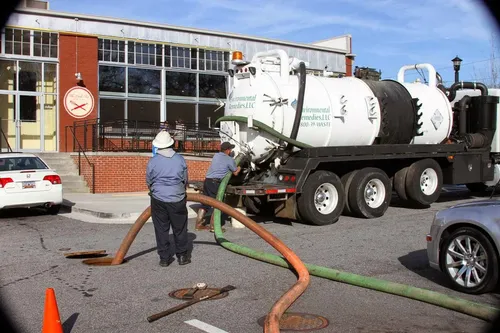
Grease Trap Maintenance Commercial kitchens are required to have grease interceptors (traps). These must be pumped and cleaned regularly by a licensed service to prevent backups and comply with sewer use ordinances. This is a separate, essential service that should be scheduled on a routine basis.
Used Cooking Oil (UCO) Collection Used fryer oil is a valuable commodity for biodiesel production. Many waste service providers or specialized renderers offer free UCO collection, providing you with a clean, closed-lid container and scheduling regular pickups. This turns a waste product into a resource and eliminates the hazard of on-site oil storage.
The Environmental Impact of Diversion
Choosing to compost and recycle food waste has a profound positive effect. When food scraps decompose in a landfill, they generate methane, a potent greenhouse gas. In contrast, when processed in a commercial composting facility, they break down aerobically into nutrient-rich soil amendment. Anaerobic digestion facilities can even capture methane from food waste to generate renewable energy. By participating in these programs, South Fulton businesses directly contribute to local soil health, reduce greenhouse gas emissions, and support a circular economy.
Frequently asked questions
Sources
Footnotes
-
Atlanta - Waste Pro - https://www.wasteprousa.com/office/atlanta/ ↩
-
Atlanta Commercial Composting Compliance - Shyft - https://www.myshyft.com/blog/commercial-composting-pickup-service-contracts-atlanta-georgia/ ↩