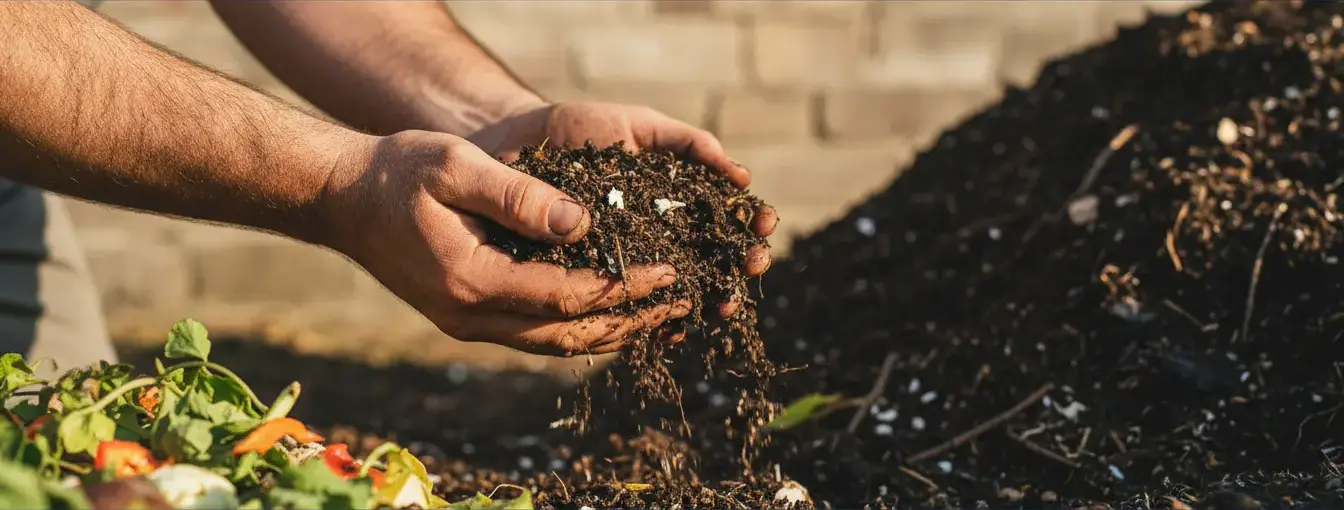
Find the Best Composting & Food Waste Companies for Your Business
No obligation • Fast responses • Nationwide coverage

Why you can trust Restaurant Waste Disposal
Restaurant Waste Disposal is a leading U.S. resource for comparing restaurant composting, food-waste recycling, grease trap cleaning, and used cooking oil collection services. Our editorial team researches providers, checks credentials, and organizes unbiased information so operators can make informed decisions. Companies cannot pay to change ratings or placement.
Search providers near you
Top Composting & Food Waste Companies in Roswell, Georgia Ranked
For restaurants and food service businesses in Roswell, managing organic waste is a critical operational and environmental consideration. While the City of Roswell does not offer a universal municipal food scrap program for commercial entities, a robust network of private haulers provides tailored solutions for diverting food waste from landfills to composting facilities. Implementing a food scrap recycling program can help your business reduce its environmental footprint, potentially lower waste disposal costs, and meet the growing expectations of eco-conscious customers. This guide outlines the pathways, rules, and best practices for establishing an effective organic waste diversion system in Roswell.
Understanding the local landscape is the first step. Commercial food waste management here operates on a private enterprise model, requiring businesses to contract directly with waste service providers.
Navigating Roswell's Waste Management System
The City of Roswell's Public Works Department primarily manages residential solid waste and single-stream recycling collection1. For commercial establishments, including restaurants, cafes, hotels, and corporate cafeterias, the responsibility for arranging specialized services like food scrap collection falls to the business owner. This means you must seek out and contract with a licensed private hauler who can transport your organic waste to a permitted composting facility.
This system offers flexibility. You can choose a provider based on service quality, cost, and specific needs, rather than being bound to a one-size-fits-all municipal schedule. Major national providers like Waste Management and Republic Services operate in the area, alongside potential regional or local haulers, all offering varying service packages for organic materials.
Key Rules and Eligibility for Commercial Composting
Any business that generates food scraps is eligible to participate in a private food waste collection program. However, there are important state-level regulations to be aware of. The Georgia Environmental Protection Division (EPD) oversees composting activities. Haulers who collect food waste from multiple generators or aggregate material are required to obtain a specific permit, known as a Performance-Based Registration (PBR). As a business owner, your main responsibility is to ensure your chosen hauler is compliant with these state regulations, which they typically will be as part of their standard operating procedures.
The most critical daily rule involves contamination control. Composting is a biological process that can be ruined by non-organic materials. Strict adherence to what goes in your food waste bin is non-negotiable for a successful program.
Acceptable Materials Typically Include:
- All food scraps: raw and cooked fruits, vegetables, grains, and bread.
- Proteins: meat, bones, fish, and dairy products.
- Coffee grounds and paper filters.
- Uncoated, food-soiled paper products like napkins, paper towels, and pizza boxes.
- BPI-Certified compostable serviceware (plates, cups, utensils). It is essential to verify with your hauler that their composting facility accepts these items.
Strictly Prohibited Contaminants:
- All plastics, including bags, wrappers, and conventional serviceware.
- Glass and metals.
- Liquids, grease, or cooking oil (these require separate recycling services).
- Styrofoam.
- Pet waste, diapers, or sanitary products.
- Yard waste, unless specifically included in your hauler's program 2 3.
Find the perfect composting & food waste companies for your needs
Get personalized recommendations and expert advice
Setting Up Your Restaurant's Food Waste Program
Step 1: Assess Your Volume and Space
Begin by conducting a brief waste audit. Estimate how many pounds of food scraps you generate daily. Also, identify space in your kitchen for a small collection pail and space outside for a larger collection cart or dumpster.
Step 2: Contact Service Providers
Reach out to commercial waste haulers servicing Roswell. When requesting a quote, be prepared to specify:
- Your estimated daily/weekly food scrap volume.
- Your desired pickup frequency (e.g., daily, 3 times per week).
- Your need for both indoor collection containers and outdoor carts.
Step 3: Choose Your Container System
Haulers typically provide a two-tiered container system:
- In-Kitchen Bins: Small (2-5 gallon) countertop or under-counter pails with lids for staff to conveniently collect scraps during food prep and dishwashing.
- Outdoor Collection Carts: Larger, durable containers like 96-gallon wheeled carts or even 2-4 yard dumpsters with locking lids to secure the material and deter pests.
Step 4: Establish Pickup Schedules
Service frequency is flexible and based on your volume and needs. A busy restaurant may require pickup every other day or three times a week, while a smaller cafe might manage with a weekly collection. Consistent pickup is key to maintaining cleanliness and odor control.
Step 5: Train Your Staff Thoroughly
The success of your program hinges on proper sorting by every team member. Conduct training sessions, create simple signage with pictures above bins, and designate a sustainability champion on staff to monitor contamination. Clear communication about what is and isn't compostable is essential.
Understanding Costs and Benefits
Pricing for commercial food waste collection is not standardized and varies based on volume, pickup frequency, and the hauler. As a general estimate, monthly costs can range from approximately $50 to over $2004. A significant financial benefit often comes from waste stream reduction. By diverting heavy, wet organics from your standard trash dumpster, you may be able to reduce the size of your garbage container or decrease the frequency of trash pickups, offsetting the cost of the new composting service.
The non-financial benefits are substantial. Diverting food waste:
- Reduces greenhouse gas emissions (methane) from landfills.
- Creates nutrient-rich compost that can be used to grow new food.
- Enhances your brand's reputation for environmental responsibility.
- Can improve staff morale and engagement in sustainability efforts.
Beyond Collection: Grease Trap and Cooking Oil Services
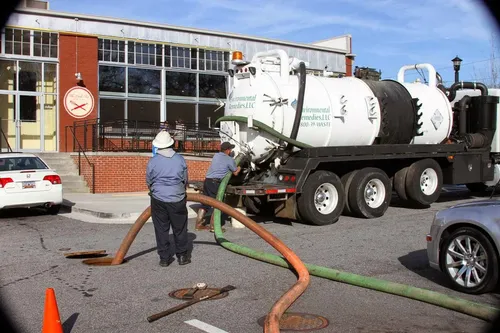
A comprehensive food waste strategy for a restaurant also involves managing fats, oils, and grease (FOG). These materials cannot go into compost or drains. Professional grease trap cleaning and used cooking oil (UCO) collection are separate, vital services. Many waste management companies offer these services in a bundled package. Collected UCO is recycled into biofuels, animal feed, and other products, completing the circle of resource recovery for your kitchen.
Frequently asked questions
Sources
Footnotes
-
Garbage/Sanitation - Roswell, GA - https://www.roswellgov.com/services/garbage-pick-up ↩
-
How to Compost at Home in Georgia - https://info.drawdownga.org/composting-georgia-toolkit ↩
-
Residential Food Waste Collection In The U.S. - BioCycle Nationwide Survey - https://www.biocycle.net/residential-food-waste-collection-in-the-u-s-biocycle-nationwide-survey/ ↩
-
Composting - Environmental Protection Division - Georgia.gov - https://epd.georgia.gov/about-us/land-protection-branch/recovered-materials-and-abatement/recovered-materials/composting ↩