Find the Best Composting & Food Waste Companies for Your Business
No obligation • Fast responses • Nationwide coverage

Why you can trust Restaurant Waste Disposal
Restaurant Waste Disposal is a leading U.S. resource for comparing restaurant composting, food-waste recycling, grease trap cleaning, and used cooking oil collection services. Our editorial team researches providers, checks credentials, and organizes unbiased information so operators can make informed decisions. Companies cannot pay to change ratings or placement.
Search providers near you
Top Composting & Food Waste Companies in Johns Creek, Georgia Ranked
For restaurant owners and food service managers in Johns Creek, managing organic waste is a critical operational and environmental consideration. While the city does not offer a universal municipal food scrap collection program for commercial entities, a robust network of private haulers provides tailored commercial composting and food waste recycling services. Implementing a program for organic waste diversion can reduce landfill costs, support sustainability goals, and contribute to Georgia's broader environmental initiatives. Success hinges on selecting the right service partner, properly training staff, and maintaining strict separation from contaminants to ensure the waste is transformed into valuable compost.
Understanding Commercial Organic Waste Services
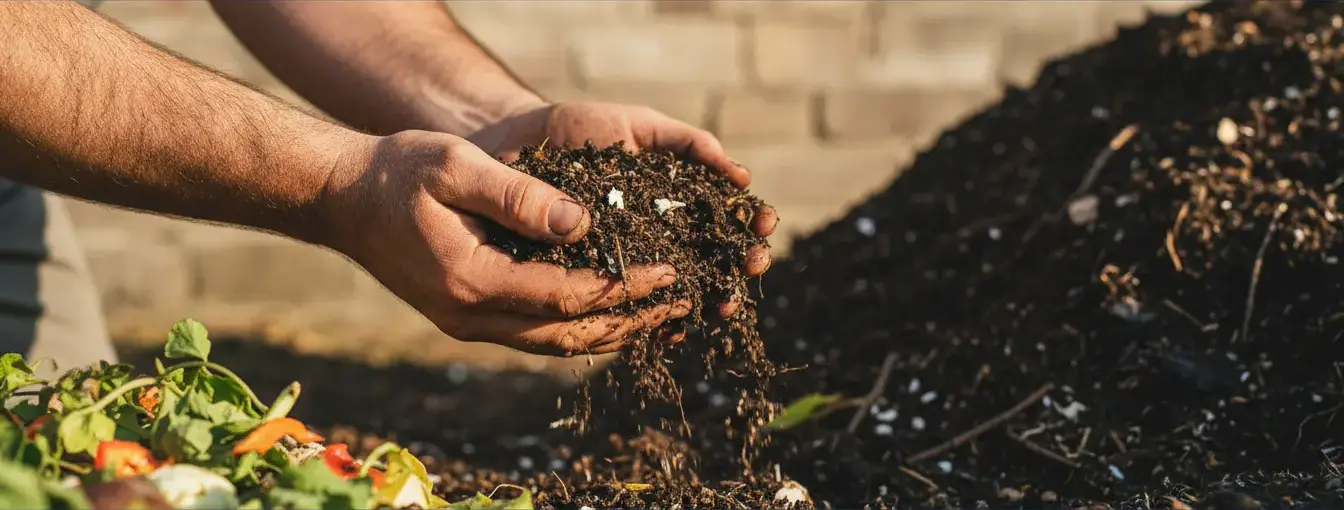
In Johns Creek, food waste management for restaurants is primarily handled through private contracts. This model offers flexibility, allowing businesses to customize service levels based on their specific waste volume and operational schedule. Major national waste management companies and specialized local organic haulers serve the metro Atlanta area, providing dedicated containers and scheduled pickups for source-separated food scraps. This system is designed to divert organic material from landfills, where it would produce methane, and instead channel it into composting facilities where it becomes a nutrient-rich soil amendment.
Key Service Providers and Options
Several reputable providers offer commercial food waste collection in Johns Creek. National leaders like Waste Management and Republic Services often provide organic recycling as part of a comprehensive waste management package. Additionally, local and regional specialists such as CompostNow and Goodr focus specifically on food scrap collection, frequently offering detailed analytics and sustainability reporting for businesses. These haulers can service a wide range of establishments, from small cafes and bistros to large hotel kitchens and institutional cafeterias, provided they generate a consistent volume of organic waste.
Services are not one-size-fits-all. Haulers typically assess a restaurant's needs based on:
- Weekly waste volume: This determines the container size.
- Kitchen layout and space: This influences the type of collection bins used indoors.
- Desired pickup frequency: Options usually range from weekly to multiple times per week.
Container Types and Logistics
Choosing the correct containers is essential for an efficient back-of-house operation. For outdoor collection, haulers typically provide:
- 64 or 96-gallon wheeled carts (totes): Ideal for small to medium-sized kitchens.
- Larger dumpsters or roll-off containers: Suited for high-volume producers like large restaurants or food halls.
For indoor collection, kitchens use smaller, lidded bins, often lined with certified compostable bags provided by the hauler. These are placed in prep areas and near dish stations to capture scraps efficiently. The key logistical step is ensuring a clear handoff: full indoor bins are emptied into the designated outdoor container by staff, which is then serviced by the hauler on the agreed schedule.
What Can and Cannot Be Composted
Strict contamination guidelines are the most critical aspect of a successful program. Contaminated loads can be rejected by composting facilities, negating your sustainability efforts and potentially incurring fees. A clear understanding of acceptable materials is non-negotiable.
Acceptable Food Scraps Include:
- Fruit and vegetable trimmings and peels
- Plate scrapings (excluding large amounts of liquids)
- Spoiled or expired food (remove packaging)
- Eggshells, coffee grounds, and paper filters
- Loose tea leaves
- Uncoated paper products like napkins, paper towels, and pizza boxes (if not greased through)
Common Contaminants to Exclude:
- Plastic bags (unless they are certified compostable by the hauler)
- Liquids, oils, and grease (these require separate handling/recycling)
- Styrofoam, glass, and metal
- Plastic utensils, wrappers, or packaging
- Biodegradable" plastics (which often do not break down in industrial compost systems)
Staff training with clear signage is the best defense against contamination. Visual guides posted above collection bins can dramatically improve compliance.
Find the perfect composting & food waste companies for your needs
Get personalized recommendations and expert advice
Assessing Your Restaurant's Needs and Costs
Before contacting providers, conduct a brief waste audit. Track your food waste for a week-including prep waste, spoiled inventory, and customer plate waste-to estimate your average volume. This data will help you request accurate quotes and avoid paying for capacity you don't need.
Pricing for commercial food waste collection in Johns Creek is variable and depends on several factors:
- Bin Size: A 64-gallon cart will cost less than a 2-yard dumpster.
- Pickup Frequency: Weekly service is standard, but bi-weekly or multiple pickups per week adjust the price.
- Hauler and Service Bundle: Some companies offer discounted rates if you bundle organic recycling with your trash and traditional recycling services.
- Location and Accessibility: Specifics of your loading dock or alley access can influence cost.
While specific prices are subject to change and should be obtained directly from providers, restaurants can generally expect costs to range from approximately $50 to over $200 per month. This investment often offsets a reduction in general trash volume and associated disposal fees.
Implementation Steps for Your Kitchen
- Contact and Compare: Reach out to at least three haulers (e.g., Waste Management, Republic Services, and a local specialist like CompostNow) for detailed quotes and service descriptions for Johns Creek.
- Select and Schedule: Choose a provider that fits your operational needs and budget. Coordinate the delivery of outdoor containers and indoor bin systems.
- Train Your Team: Conduct mandatory training for all kitchen and front-of-house staff. Explain the "why" behind the program and provide clear, simple instructions on what goes in each bin.
- Launch and Monitor: Start the program, label everything clearly, and have managers monitor bins for the first few weeks to correct mistakes immediately.
- Review and Optimize: After a few billing cycles, review the service with your hauler. You may be able to adjust container size or frequency to better match your actual output.
The Broader Impact and Regulatory Landscape
Participating in organic waste recycling aligns with growing environmental stewardship expectations from customers and communities. By diverting food scraps, your restaurant directly contributes to reducing greenhouse gas emissions from landfills and supports the creation of compost used in local agriculture and landscaping.
On a state level, Georgia's Environmental Protection Division (EPD) supports composting as a key component of materials management. While there is no statewide mandate for commercial food waste diversion, the regulatory framework encourages these practices as part of a sustainable waste hierarchy. Staying informed about local initiatives is wise; occasionally, municipalities or counties in the Atlanta area launch pilot programs that restaurants can join.