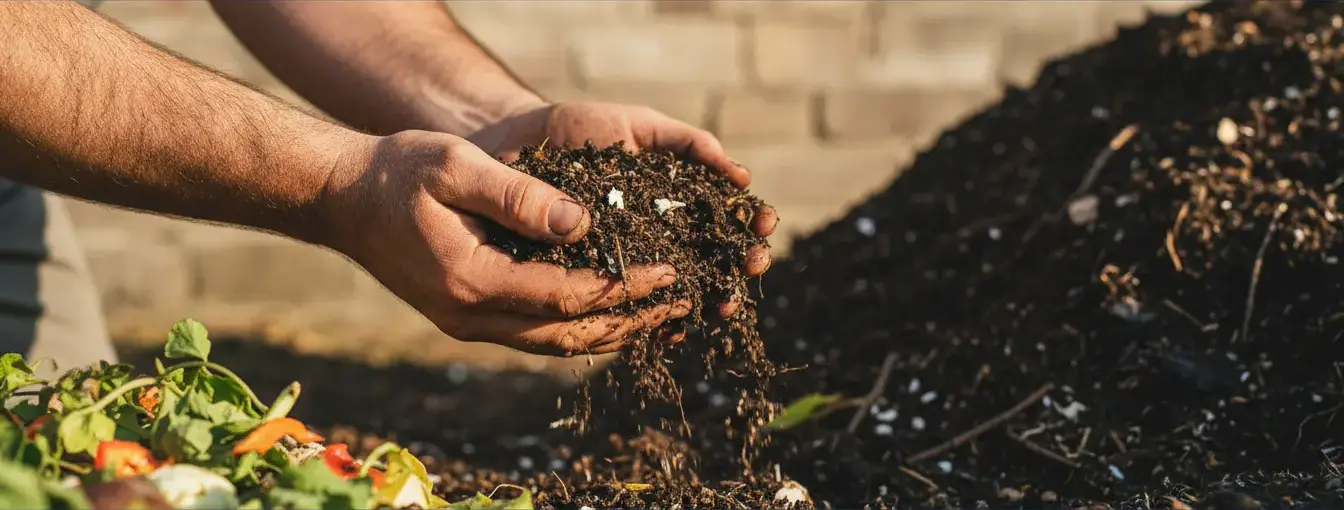
Find the Best Composting & Food Waste Companies for Your Business
No obligation • Fast responses • Nationwide coverage

Why you can trust Restaurant Waste Disposal
Restaurant Waste Disposal is a leading U.S. resource for comparing restaurant composting, food-waste recycling, grease trap cleaning, and used cooking oil collection services. Our editorial team researches providers, checks credentials, and organizes unbiased information so operators can make informed decisions. Companies cannot pay to change ratings or placement.
Search providers near you
Top Composting & Food Waste Companies in Dunwoody, Georgia Ranked
For restaurants and food service businesses in Dunwoody, managing organic waste is a critical component of both operational efficiency and environmental responsibility. While the city itself does not operate a direct municipal food scrap collection program for commercial entities, a robust framework of private haulers and supportive county initiatives makes establishing a commercial composting program both feasible and beneficial. Engaging in organics recycling helps businesses reduce landfill waste, lower their environmental footprint, and align with growing consumer expectations for sustainable practices. Navigating the process involves understanding provider options, state and county regulations, and strict contamination guidelines to ensure your food waste is successfully transformed into valuable compost.
Successful food waste diversion starts with selecting the right service partner. Dunwoody businesses must contract with private waste haulers that offer commercial organics collection, as the city's sanitation services through DeKalb County are focused on residential waste 1. Major national providers like Waste Management and Republic Services, along with regional specialists, offer these services. The first step is to reach out for a consultation, where the provider will assess your establishment's volume of food scraps, prep waste, and soiled paper products to recommend an appropriate container size and pickup frequency.
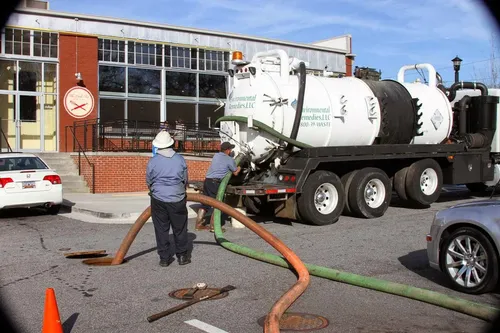
Understanding Service Models and Container Logistics
Once you partner with a hauler, they will typically supply specialized containers for your food scraps. These are distinct from your standard trash and recycling bins to prevent contamination. Common options include 64-gallon or 96-gallon wheeled carts with locking lids, which are ideal for controlling odors and pests, or larger dumpsters for high-volume kitchens. The pickup schedule is customized; a fine-dining restaurant may require collection several times a week, while a café might only need weekly service. This flexibility ensures you are paying for a service level that matches your actual output, avoiding overflow or unnecessary costs.
It is crucial to note that any entity collecting and aggregating food scraps for composting in Georgia must comply with regulations from the Georgia Environmental Protection Division (EPD) 2. Reputable haulers will already possess the necessary permits, but it's a key point of due diligence for businesses to confirm. This regulatory framework is designed to ensure that food waste is processed safely and effectively at permitted composting facilities, turning a potential waste stream into a resource for agriculture and landscaping.
The Critical Role of Contamination Control
The single most important factor for a successful organics recycling program is maintaining a clean stream of acceptable materials. Contamination-especially from plastics-can result in entire loads being rejected and sent to the landfill, undermining your sustainability efforts and potentially incurring fees.
Accepted Materials Typically Include:
- All food scraps: cooked and uncooked vegetables, fruits, meat, bones, and dairy products.
- Coffee grounds and filters, tea bags (without staples).
- Soiled, non-plastic-coated paper products: napkins, paper towels, uncoated cardboard pizza boxes, and paper takeout containers.
- Plant-based, certified compostable serviceware (only if explicitly accepted by your hauler).
Strictly Prohibited Materials Include:
- Plastic bags (unless they are certified compostable and your hauler specifically accepts them).
- Conventional plastic utensils, straws, wrappers, or packaging.
- Glass, metals, rubber bands, and twist ties.
- Styrofoam (polystyrene) of any kind.
- Liquids, cooking oils, and grease (these require separate management, often through a grease trap service).
- Diapers, pet waste, or traditional serviceware labeled as "biodegradable" (which is not the same as compostable) 3.
Clear signage and consistent staff training are essential. Many successful programs use a "triple bin" setup in the kitchen: one for landfill trash, one for traditional recycling, and one clearly labeled for compostables. Regular audits can help identify and correct common contamination mistakes.
Analyzing Costs and Potential Incentives
Implementing a food scrap collection service represents an additional line item in your waste management budget. Costs are variable and typically structured with a base fee for the container rental plus a per-pickup or volume-based charge. For a Dunwoody restaurant, monthly costs can range from approximately $75 to over $200, depending heavily on the volume of organic waste and the frequency of collection 4. While this is often higher than standard trash disposal, the cost must be weighed against the potential for reducing the size or frequency of your garbage service as you divert organics.
Furthermore, there are financial incentives to explore. The City of Dunwoody actively promotes sustainability and supports business initiatives that align with zero-waste goals 5. Through DeKalb County, there may be rebates or grant opportunities available for businesses that implement waste reduction and composting programs 6. It is worthwhile to inquire with both your hauler and city sustainability resources about any available programs that can help offset startup costs or provide recognition for your environmental leadership.
Find the perfect composting & food waste companies for your needs
Get personalized recommendations and expert advice
Building a Sustainable Program with Local Support
Beyond just signing a contract, creating a lasting culture of waste diversion requires engagement. The City of Dunwoody's Sustainability Committee provides resources and shares news that can be valuable for local businesses looking to improve their environmental footprint. Connecting with other Dunwoody restaurants that have established programs can offer practical, peer-to-peer advice on training staff and streamlining operations.
The end goal is a closed-loop system where your restaurant's food waste is converted into nutrient-rich compost, which can then be used to enrich soils in local farms and gardens. This not only diverts waste from the Seminole Road Landfill but also contributes to a healthier local ecosystem. By taking charge of your organic waste stream, your business plays a direct role in the circular economy, demonstrating a commitment to the community and the planet that resonates with patrons and staff alike.
Frequently asked questions
Sources
Footnotes
-
Sanitation: DeKalb County | City of Dunwoody - https://www.dunwoodyga.gov/government/sanitation-dekalb-county ↩
-
Composting - Environmental Protection Division - Georgia.gov - https://epd.georgia.gov/about-us/land-protection-branch/recovered-materials-and-abatement/recovered-materials/composting ↩
-
Attn: #Dunwoody: DeKalb County Sanitation has made an important ... - https://www.facebook.com/CityofDunwoody/posts/attn-dunwoody-dekalb-county-sanitation-has-made-an-important-change-to-its-resid/1114472194047507/ ↩
-
Compost | DeKalb County GA - https://www.dekalbcountyga.gov/sanitation/mulch-and-compost ↩
-
Sustainability News | City of Dunwoody - https://www.dunwoodyga.gov/government/departments/community-development/about/sustainability-committee/sustainability-news ↩
-
Georgia Food Waste Policy Gap Analysis and Inventory (PDF) - NRDC - https://www.nrdc.org/sites/default/files/ga-food-waste-policy-gap-report.pdf ↩