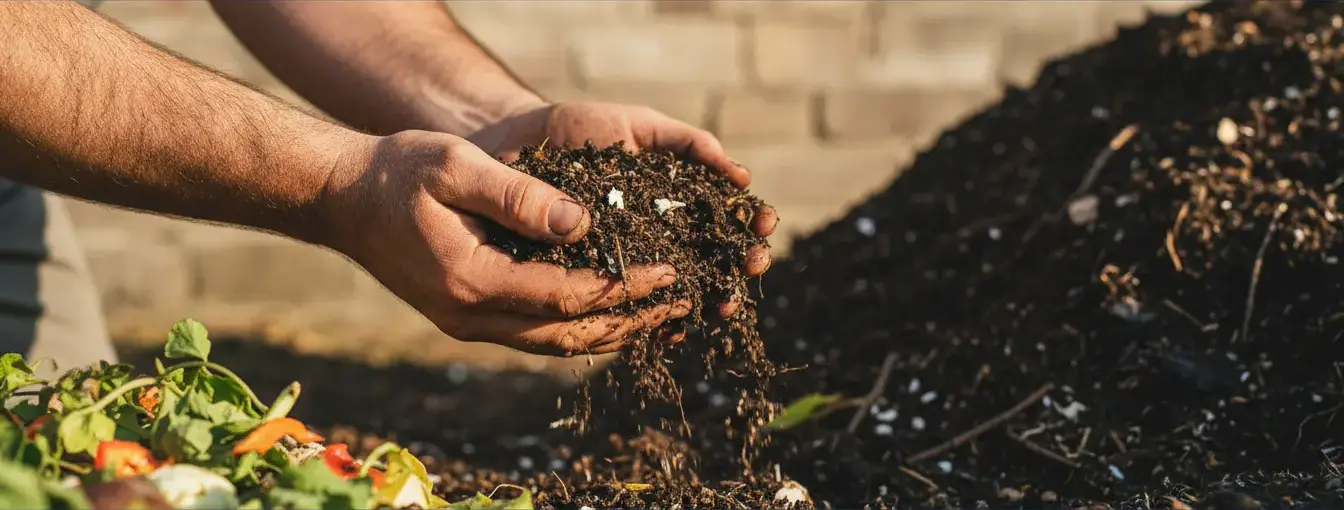
Find the Best Composting & Food Waste Companies for Your Business
No obligation • Fast responses • Nationwide coverage

Why you can trust Restaurant Waste Disposal
Restaurant Waste Disposal is a leading U.S. resource for comparing restaurant composting, food-waste recycling, grease trap cleaning, and used cooking oil collection services. Our editorial team researches providers, checks credentials, and organizes unbiased information so operators can make informed decisions. Companies cannot pay to change ratings or placement.
Search providers near you
Top Composting & Food Waste Companies in Pinellas Park, Florida Ranked
For restaurants in Pinellas Park, managing organic waste is a critical operational and environmental responsibility. While the city provides mandatory residential garbage and recycling services, commercial entities, including food service establishments, are responsible for contracting private haulers for all waste streams, including food scraps destined for composting. This system places the onus on business owners to find and implement a sustainable organics recycling program, aligning with Pinellas County's broader "4Rs" (Reduce, Reuse, Recycle, Recover) initiative that promotes composting as a top-tier waste reduction goal. Navigating the options for food waste diversion can seem complex, but with the right information and partners, Pinellas Park restaurants can significantly reduce their landfill contribution, potentially lower their overall waste costs, and contribute to a circular economy for organic materials.
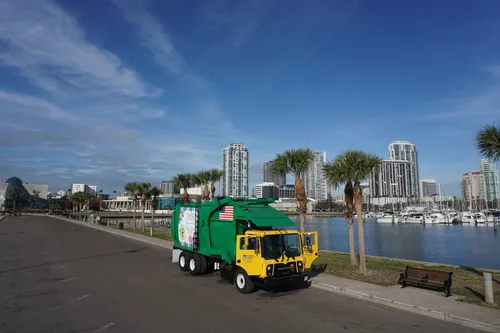
Understanding Commercial Waste Services in Pinellas Park
The first step for any restaurant owner is to understand the local waste management landscape. Pinellas Park city services are primarily designed for residents. The city offers mandatory twice-weekly garbage collection and once-weekly recycling pickup for households 1. For commercial operations, however, the city's service is listed as "as needed," which in practice means that businesses must secure their own contracts with licensed private waste haulers 2. This applies to all commercial waste, including traditional landfill trash, recyclables, and specialized streams like food scraps and used cooking oil.
This structure offers both a challenge and an opportunity. The challenge is the need for proactive research and vendor management. The opportunity lies in the ability to shop for services and tailor a waste plan that fits your specific volume, schedule, and sustainability goals. You are not locked into a one-size-fits-all municipal program. Major regional haulers like Republic Services, Waste Pro, and SunWaste operate in Pinellas County and typically offer commercial organics collection as part of their service portfolios.
The Business Case for Food Scrap Diversion
Diverting food waste from the landfill isn't just an environmental gesture; it's a strategic business decision with several potential benefits. First, by separating heavy, wet food scraps from your general trash, you may reduce the volume and weight of your landfill-bound waste. This can directly translate to lower disposal costs, as you may be able to downsize your trash dumpster or reduce pickup frequency. Second, participating in organics recycling enhances your restaurant's brand as a community-minded, sustainable business, which is increasingly important to customers. Third, it ensures compliance with Pinellas County's mandatory recycling ordinance for businesses, which includes food waste as a key recyclable material 3.
Furthermore, the county's Solid Waste Master Plan highlights commercial food waste diversion as a critical component of reaching long-term waste reduction targets. By starting a program now, your restaurant positions itself as a leader and may be better prepared for any future regulations that could mandate commercial organics recycling.
How to Find and Set Up a Food Waste Program
1. Identify Approved Haulers: Your starting point should be to contact the Pinellas County Solid Waste Department at (727) 893-7261. They can provide a list of approved commercial waste haulers operating in the area who offer food scrap collection, often listed under "Commercial Organics" programs 4. You can then reach out to several providers, such as Republic Services, Waste Pro, or SunWaste, to request quotes and service details.
2. Assess Your Needs: Before calling, conduct a brief waste audit. Estimate how many gallons or cubic yards of food waste your kitchen generates daily. This includes prep scraps, plate waste, spoiled inventory, and even coffee grounds. This information is crucial for haulers to recommend appropriate container sizes and collection frequency.
3. Understand Container and Logistics: Haulers will typically provide the collection containers. For food waste, these are often 32 to 96-gallon wheeled carts or larger dumpsters, specifically designated for organics. It's essential they are clearly labeled to prevent contamination. The pickup schedule is negotiated directly with your hauler and can range from daily to once or twice a week, depending on your volume, space constraints, and local health codes.
Find the perfect composting & food waste companies for your needs
Get personalized recommendations and expert advice
Critical Rules for Contamination-Free Collection
The success of any commercial composting program hinges on preventing contamination. Contaminated loads can be rejected by composting facilities, resulting in wasted effort and potential extra fees. The rules are strict but straightforward:
- What's IN: Fruit and vegetable scraps, meat and bones, dairy products, bread and grains, eggshells, coffee grounds and filters, and soiled paper products like uncoated paper napkins, towels, and pizza boxes (free of plastic liners) 5.
- What's OUT: All plastics (unless they are certified compostable and approved by your hauler), glass, metal, rubber, liquids, and Styrofoam. A single plastic bag or utensil can spoil an entire batch of compost.
Pro Tip: Staff training is non-negotiable. Use clear, simple signage at all collection points (prep stations, dish pits, wait stations) with pictures of acceptable and unacceptable items. Many haulers require the use of certified compostable bin liners, which can help keep containers clean and make the process more hygienic for your team.
Cost Considerations for Restaurant Owners
Pricing for commercial food waste collection is highly variable and depends on several factors: the size and number of containers provided, the frequency of pickup, your location, and the hauler's specific rates. As a general estimate, a restaurant might see a monthly fee ranging from $100 to over $500 for organics collection. It's important to view this cost in the context of your total waste management bill. By diverting organics, you may reduce the size or pickup frequency of your standard trash service, potentially offsetting some or all of the new cost. Always request a comprehensive quote that outlines all fees and ask about any potential savings from reducing your landfill service.
Beyond Composting: Managing Grease and Cooking Oil
A complete restaurant waste management plan also addresses used cooking oil (UCO) and grease trap maintenance. These are separate, specialized waste streams that require their own service providers. Used cooking oil is a valuable commodity for biodiesel production and should be collected by a licensed recycler. Grease trap cleaning is essential for compliance with sewer ordinances and preventing costly backups. Many companies offer combined services for UCO collection and grease trap maintenance, which can streamline your vendor relationships. Proper management of these materials is not only a best practice but often a legal requirement 6.
Getting Started: Your Action Plan
- Contact Pinellas County Solid Waste at (727) 893-7261 for a referral list of haulers offering commercial organics recycling 7.
- Request Quotes from at least two or three haulers. Provide them with your estimated food waste volume and ask about container options, pickup schedules, contamination rules, and all associated costs.
- Review and Train. Once you select a hauler, thoroughly review their contamination guidelines. Develop a simple training plan and signage for your front and back-of-house staff before the program launches.
- Monitor and Adjust. After the first few weeks, check your organics and trash containers to ensure proper sorting. Adjust training or bin placement as needed. A successful program requires ongoing attention.
Frequently asked questions
Sources
Footnotes
-
Solid Waste Element - Pinellas Park - https://www.pinellas-park.com/DocumentCenter/View/11426/Solid-Waste-Element ↩
-
Billing Information | Pinellas Park, FL - https://www.pinellas-park.com/613/Billing-Information ↩
-
Solid Waste Master Plan Case Studies - Pinellas County - https://pinellas.gov/wp-content/uploads/2021/11/case_studies.pdf ↩
-
Garbage and Recycling for Business - Pinellas County - https://pinellas.gov/topic/garbage-and-recycling/garbage-and-recycling-for-business/ ↩
-
Garbage Collection - Pinellas Park - https://www.pinellas-park.com/faq.aspx?TID=22 ↩
-
Used Oil Pickup Florida: What Restaurants Should Know - https://www.greaseprosrecycling.com/used-oil-pickup-florida/ ↩
-
Collection: Garbage & Recycling - Pinellas County - https://pinellas.gov/collection-garbage-and-recycling/ ↩