
Find the Best Composting & Food Waste Companies for Your Business
No obligation • Fast responses • Nationwide coverage

Why you can trust Restaurant Waste Disposal
Restaurant Waste Disposal is a leading U.S. resource for comparing restaurant composting, food-waste recycling, grease trap cleaning, and used cooking oil collection services. Our editorial team researches providers, checks credentials, and organizes unbiased information so operators can make informed decisions. Companies cannot pay to change ratings or placement.
Search providers near you
Top Composting & Food Waste Companies in Clearwater, Florida Ranked
For Clearwater restaurants, managing food scraps and organic waste responsibly is both an environmental priority and a practical business consideration. While the city itself does not operate a municipal composting program for commercial kitchens, effective food waste diversion is entirely achievable through partnerships with private waste haulers. Navigating this process involves understanding the local providers, container requirements, and strict contamination rules to ensure a smooth and compliant service. Establishing a program can contribute to sustainability goals and potentially reduce overall waste disposal costs over time.
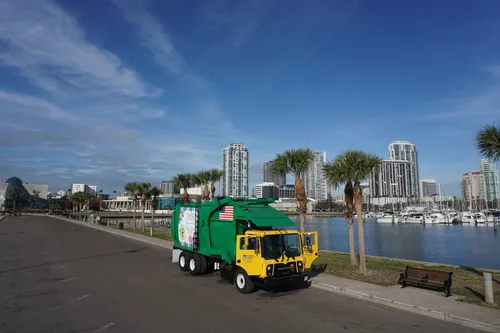
Understanding Your Service Options in Pinellas County
In the absence of a city-run organics collection program, Clearwater restaurants must seek out private contractors for food waste recycling and composting services. The commercial waste market in the Tampa Bay area is served by several major national providers, as well as potential regional haulers. These companies typically offer bundled services, allowing businesses to manage trash, recycling, and compostable materials through a single account. It's important to proactively inquire about organics collection, as it may not be automatically included in a standard commercial waste package.
The most prominent providers in the region include Waste Management (WM) and Republic Services, both of which have extensive operations in Florida and often provide commercial food scrap collection. The specifics of their programs-including service areas within Clearwater, accepted materials, and container types-can vary, so direct consultation is essential. For a broader search, resources like Earth911 or the Pinellas County Solid Waste department website can help identify other licensed local haulers operating in the area.
Setting Up Commercial Organics Collection
Enrolling in a food waste diversion program begins with establishing a commercial account with your chosen hauler. Eligibility is generally straightforward for food service businesses, which are significant generators of compostable material. The process is typically volume-based, meaning your restaurant must produce enough organic waste to justify dedicated bins and regular pickups. When contacting providers, be prepared to discuss your average weekly volume of food scraps, which will influence the size and number of containers provided, as well as the frequency of collection.
Container Types and Logistics: Haulers usually supply specific carts for organics collection. These are often 64-gallon or larger wheeled carts, frequently colored brown or green to distinguish them from trash and recycling. A critical component is the use of compostable liner bags placed inside these carts to contain the wet waste. These liners are usually required to be certified compostable and may be provided by the hauler or available through specified vendors. Using the correct liner is a key step in preventing contamination.
Scheduling, Costs, and Service Agreements
Pickup schedules and associated costs for food waste collection are highly customized based on your restaurant's needs. Factors include the number and size of containers, the frequency of service (e.g., daily, three times a week, or weekly), and the total volume of material collected. You will negotiate these terms directly with the service provider. Generally, adding an organics stream to your waste management plan involves a separate monthly fee, which may be higher than trash-only service due to the specialized handling required.
To get accurate, current pricing for your Clearwater establishment, you must contact haulers like WM and Republic Services directly to request a quote 1. Costs can vary significantly based on location, volume, and market competition. It's advisable to get quotes from multiple providers to compare service offerings and fees. Remember that while there is a cost for collection, diverting organics can sometimes reduce the volume (and therefore cost) of your regular trash service.
The Critical Importance of Contamination Control
The success of any composting program hinges on keeping the organic stream clean. Contamination-when non-compostable materials are placed in the organics bin-is the primary reason collections are rejected or face additional fees. Haulers and composting facilities have stringent rules to ensure the final compost product is safe and marketable.
What is NEVER Accepted:
- Plastics: This includes all plastic bags (unless they are hauler-certified compostable bags), packaging, wrap, and utensils.
- Styrofoam or other foam products.
- Glass, metal, or aluminum.
- Liquids of any kind.
- Rubber bands, twist ties, or stickers.
What is Typically Accepted:
- All food scraps: Fruits, vegetables, meat, bones, dairy, eggs, and seafood shells.
- Food-soiled paper: Paper towels, napkins, uncoated paper plates, and pizza boxes (free of plastic liners).
- Certified compostable serviceware: Plates, cups, and utensils that carry a recognized compostability certification (e.g., BPI). Always check with your hauler first, as standards can vary.
High contamination rates can lead to your entire bin being treated as trash, incurring extra disposal charges, or even suspension of service. Educating every member of your staff on these guidelines is non-negotiable for a functional program.
Find the perfect composting & food waste companies for your needs
Get personalized recommendations and expert advice
Best Practices for Restaurant Food Waste Diversion
Implementing an effective system goes beyond just signing a contract. Start with a waste audit to understand what and how much you are throwing away. This helps right-size your service and identifies opportunities for source reduction. Place clearly labeled collection bins in key areas: the kitchen prep station, dishwashing area, and potentially behind a server station. Use small, countertop containers with compostable liners that can be easily transported to the larger outdoor cart.
Staff training is paramount. Hold brief training sessions to review what goes in the compost bin versus trash or recycling. Use visual aids like posters above the bins. Designate a sustainability lead on your staff to monitor the bins, answer questions, and ensure compliance. Furthermore, consider the supplies you purchase; opting for kitchenware that is either reusable or certified compostable can simplify your waste stream and reduce contamination risks.
Local Regulations and Environmental Impact
Florida state law encourages waste reduction and recycling, providing a framework for local initiatives 2. While Clearwater doesn't mandate commercial composting, participating aligns with broader regional sustainability goals in Pinellas County. Diverting food waste from landfills reduces methane emissions-a potent greenhouse gas-and transforms waste into nutrient-rich compost that can be used in agriculture and landscaping.
Engaging in food waste recycling also future-proofs your business against potential regulatory changes. As municipalities and states increasingly focus on organic waste diversion, early adopters will have established systems and partnerships. It's also a powerful story to share with customers who value environmental stewardship, enhancing your restaurant's reputation as a responsible community partner.
Troubleshooting Common Service Issues
If your compost cart is missed on pickup day, first check for contamination. Haulers may leave a tag explaining why a bin was not serviced. If no issue is apparent, contact your provider's customer service line directly. Common problems, as noted in waste service discussions, include bins not being placed correctly at the curb, blocked access, or lids not fully closed 3. Maintaining a good relationship with your account representative can help quickly resolve these logistical issues.
Should you face persistent problems with contamination or cost, don't abandon the effort. Re-double training efforts, or consult with your hauler for an on-site review. They can often provide tips tailored to restaurant operations. The goal is to create a simple, habitual system for your team that turns waste into a resource.
Frequently asked questions
Sources
Footnotes
-
Trash, Garbage and Recycling Services in Orlando, Florida | WM - https://www.wm.com/us/en/location/fl/orlando ↩
-
Florida Statutes Title XXIX. Public Health § 403.7049 - Codes - FindLaw - https://codes.findlaw.com/fl/title-xxix-public-health/fl-st-sect-403-7049 ↩
-
Why Didn't My Trash Get Picked Up? - Angie's List - https://www.angi.com/articles/my-trash-didnt-get-picked-here-are-your-options.htm ↩