Find the Best Composting & Food Waste Companies for Your Business
No obligation • Fast responses • Nationwide coverage

Why you can trust Restaurant Waste Disposal
Restaurant Waste Disposal is a leading U.S. resource for comparing restaurant composting, food-waste recycling, grease trap cleaning, and used cooking oil collection services. Our editorial team researches providers, checks credentials, and organizes unbiased information so operators can make informed decisions. Companies cannot pay to change ratings or placement.
Search providers near you
Best Composting & Food Waste Companies in Florida Ranked
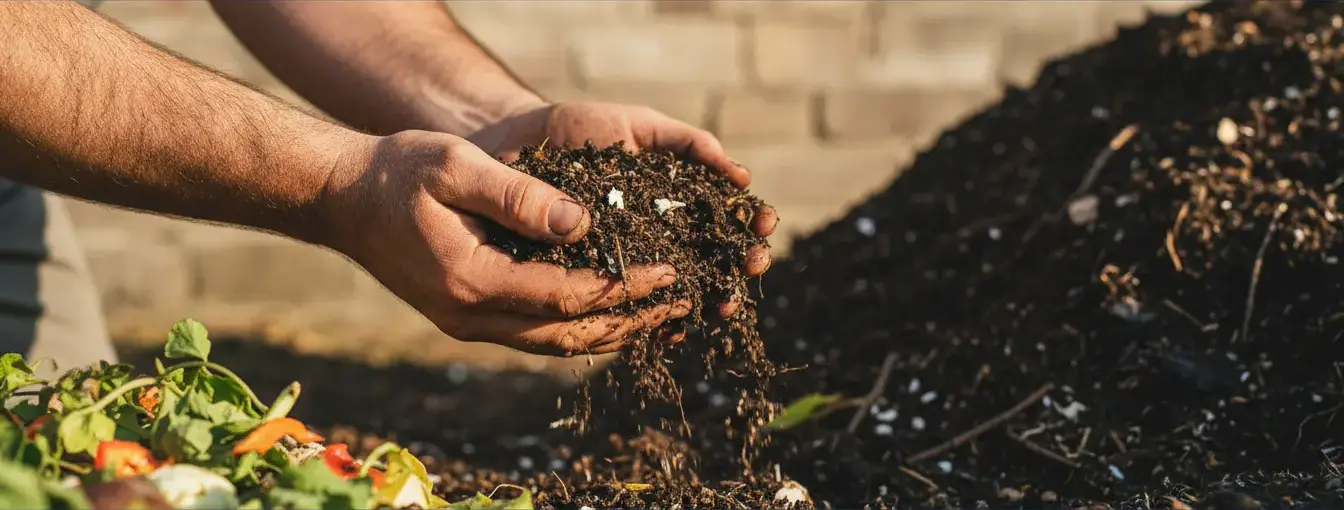
For Florida restaurants, managing food scraps and organic waste is a growing operational and environmental consideration. While the state lacks a universal mandate for commercial organics diversion, a combination of local ordinances, voluntary state initiatives, and a range of service providers offers pathways to reduce landfill waste. Navigating this landscape involves understanding local rules, evaluating collection options like composting or donation, and considering the associated costs and benefits for your business.
Recycling Services of Florida "RSF" - Clearwater
3560 126th Ave N, Clearwater, FL 33762
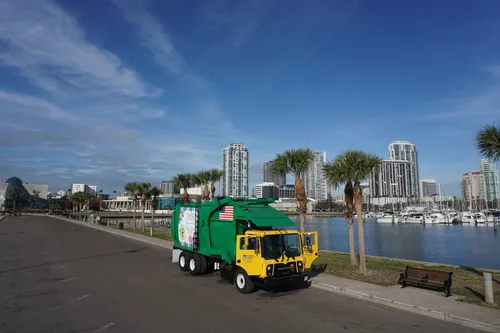
Recycling Services of Florida "RSF" - Clearwater is a third-generation family-owned company serving Clearwater, FL, with over 25 years of experience in waste recovery and recycling solutions. They provide a range of services including front load and roll-off containers, stationary and self-contained compactors, balers, and equipment rentals tailored for industrial, commercial, and food waste applications. RSF specializes in managing food waste and composting for restaurants, supporting sustainable waste handling with secure storage containers and various sized dumpsters. Their capabilities include handling high-volume wet waste with self-contained compactors designed to prevent leaks and maintain cleanliness on site.
Atlas Organics, a Generate Upcycle company
3207 71st Ave E, Sarasota, FL 34243
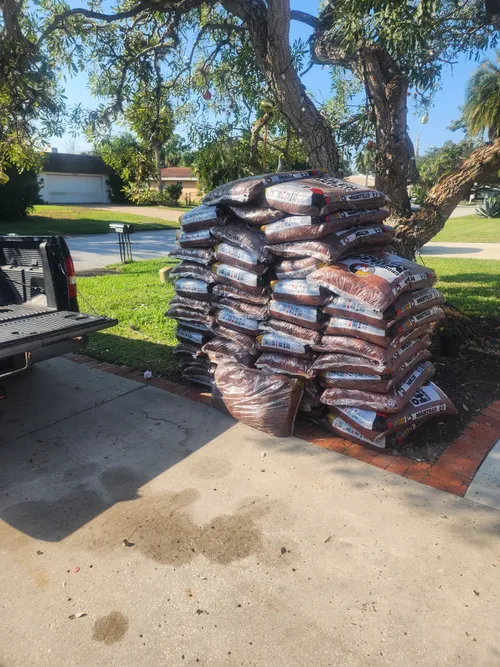
Atlas Organics, a Generate Upcycle company, provides food waste and composting services for restaurants and other businesses in Bradenton, FL. They focus on recycling organic waste to keep it out of landfills and convert it into soil amendment products used in sustainable agriculture and landscaping. Atlas Organics serves homes and businesses throughout the Southeast and supports municipalities in establishing composting facilities.
Recycling Services of Florida
6161 W Jones Ave, Zellwood, FL 32798
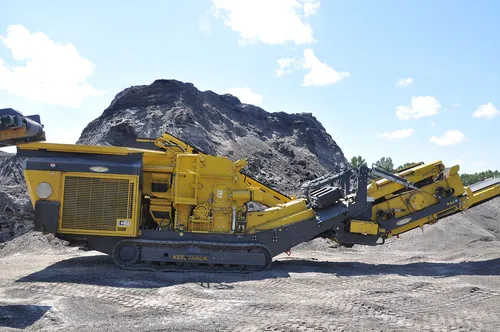
Recycling Services of Florida is a third-generation family-owned company based in Orlando, FL, with over 25 years of experience operating a secured recovery facility. They provide a range of waste management solutions including front load and roll-off containers, stationary and self-contained compactors, and equipment rentals tailored for industrial, commercial, and restaurant food waste and composting needs. Their services include specialized capabilities such as self-contained compactors designed to handle wet materials like food waste, helping businesses manage waste efficiently on-site.
Understanding Florida's Regulatory Landscape
Florida does not have a statewide ban on sending commercial food waste to landfills, nor does it mandate that restaurants separate organics 1. The regulatory approach is primarily voluntary, with the Florida Department of Environmental Protection (DEP) promoting reduction through resources, best practices, and partnerships like the Florida Food Waste Reduction Alliance (FRWA) and Florida FORCE (Organics Recycling for a Cleaner Environment) 2 3.
However, some municipalities have enacted their own rules. A notable example is Gainesville, which requires businesses generating one cubic yard or more of food waste per week (and large retailers over 25,000 square feet) to separate that waste from their general trash and arrange for separate collection 4. This highlights the critical importance of checking with your specific city or county government for any local ordinances that may apply to your restaurant.
Options for Diverting Food Waste
Restaurants in Florida have several practical avenues for keeping organic material out of the landfill. Choosing the right path depends on your location, volume, and operational goals.
- Commercial Composting: This involves contracting with a specialized hauler who collects food scraps, soiled paper, and other compostables in a separate container. The material is then processed at a permitted composting facility into a nutrient-rich soil amendment. This is a common solution for businesses subject to local separation rules or those pursuing sustainability goals.
- Food Donation: Diverting edible surplus food to local food banks, shelters, or charities is a high-impact option. It addresses food insecurity and can offer potential tax benefits while reducing waste.
- Animal Feed: Certain types of food waste can be processed and used as feed for livestock or other animals, providing an alternative diversion stream.
- Anaerobic Digestion: This technology breaks down organic waste in an oxygen-free environment to capture biogas for energy production. While less common for individual restaurants, it represents a growing area for large-scale organic waste processing.
- Source Reduction: The most effective strategy is to prevent waste in the first place. Improving inventory management, adjusting portion sizes, and retraining staff on food handling can significantly cut costs and waste volume 5 6.
Costs and Operational Considerations
Implementing a food waste diversion program involves several practical considerations. Typically, adding a separate organics collection service will incur an additional cost on top of existing trash hauling fees 7 8. These costs cover specialized bins, more frequent pickups, and the processing at a composting or digestion facility. There may also be upfront investments in new internal bins for kitchen and prep areas and staff training time to ensure proper separation.
For restaurants in areas with mandates, maintaining documentation of waste diversion volumes may be required for compliance 9 10. Even without a mandate, tracking this data can help measure the success of your program and identify further reduction opportunities.
Find the perfect composting & food waste companies for your needs
Get personalized recommendations and expert advice
Finding and Working with Service Providers
When seeking a provider for organics collection or recycling, it's important to clarify the specifics of their service. Key questions to ask include what types of materials they accept (e.g., meat, bones, dairy, compostable serviceware), the frequency of pickup, container sizes provided, and their final processing method (composting, anaerobic digestion, etc.). Providers should be able to detail how the material is tracked and where it ultimately goes.
Leveraging state resources can be helpful. Initiatives like Florida FORCE provide information and may help connect businesses with local composting infrastructure and haulers 11. Your local solid waste department is also a vital resource for identifying permitted facilities and licensed collectors in your area.
The Benefits Beyond Compliance
While local rules may drive initial adoption, the advantages of a robust food waste strategy extend further. Diverting organics can reduce the volume and odor of trash, potentially lowering disposal costs over time. It demonstrates environmental leadership to increasingly sustainability-conscious customers. Furthermore, participating in donation programs strengthens community ties. Ultimately, a focus on source reduction and diversion aligns with broader industry trends toward efficiency and corporate responsibility.
Frequently asked questions
Sources
Footnotes
-
Florida Food Waste Policy - https://policyfinder.refed.org/florida/ ↩
-
Florida Food Waste Policy Gap Analysis and Inventory (PDF) - https://www.nrdc.org/sites/default/files/fl-food-waste-policy-gap-report.pdf ↩
-
Florida and the 2020 75% Recycling Goal: 2019 Status Report - https://floridadep.gov/sites/default/files/Final%20Strategic_Plan_2019%2012-13-2019_1.pdf ↩
-
Commercial Waste & Recycling - City of Gainesville - https://www.gainesvillefl.gov/Government-Pages/Government/Departments/Public-Works/Garbage-Recycling/Businesses-Apartments/Commercial-Waste-Recycling ↩
-
Commercial and Institutional Recycling | Florida Department of ... - https://floridadep.gov/waste/waste-reduction/content/commercial-and-institutional-recycling ↩
-
Food Waste Diversion Brochure, 1998 - Florida Force - https://floridaforce.org/wp-content/uploads/2024/09/IFAS-FORA-Food-Waste-Diversion-Brochure.pdf ↩
-
FORCEMatters - Florida Force - https://floridaforce.org/wp-content/uploads/2024/09/Oct_2012v9-2.pdf ↩
-
Miami Commercial Composting: Environmental Compliance Simplified - https://www.myshyft.com/blog/commercial-composting-pickup-service-contracts-miami-florida/ ↩
-
Food Waste Regulations Update: Diversion and Education - Rubicon - https://www.rubicon.com/blog/food-waste-regulations-update-diversion-education/ ↩
-
Organics Policy and Composting Regulations: A Guide to Laws in ... - https://www.imperialdade.com/blog/organics-policy-and-composting-regulations ↩
-
Organics Recycling Program Update - Florida Force - https://floridaforce.org/wp-content/uploads/2024/12/Organics_FLCC_June-2023_Draft-6-6-2023_LO.pdf ↩