Find the Best Composting & Food Waste Companies for Your Business
No obligation • Fast responses • Nationwide coverage

Why you can trust Restaurant Waste Disposal
Restaurant Waste Disposal is a leading U.S. resource for comparing restaurant composting, food-waste recycling, grease trap cleaning, and used cooking oil collection services. Our editorial team researches providers, checks credentials, and organizes unbiased information so operators can make informed decisions. Companies cannot pay to change ratings or placement.
Search providers near you
Top Composting & Food Waste Companies in Westminster, Colorado Ranked
For restaurants and food service businesses in Westminster, managing organic waste is a critical operational and environmental consideration. Unlike residential services, the city does not provide municipal composting for commercial entities, meaning establishments must proactively seek out and contract with private haulers to divert food scraps from the landfill. This process involves selecting a provider, understanding strict contamination rules, and integrating new collection bins and staff training into daily routines. Successfully implementing a commercial food waste recycling program can reduce trash volumes, potentially lower waste disposal costs, and demonstrate a commitment to sustainability in the local community.

Wompost
11881 E 33rd Ave D, Aurora, CO 80010
Wompost is a compost collection and delivery service based in Aurora, Colorado, serving Denver and surrounding areas. They specialize in food waste and yard waste composting for homes and businesses, offering weekly pickup and convenient drop-off options. Wompost collects biodegradable waste and returns finished compost soil to customers, helping to recycle organic materials and reduce landfill waste. The company supports carbon farming projects in Colorado and promotes sustainable composting practices within the community. Wompost is women-owned and focuses on making composting accessible and straightforward for its customers.
A1 Organics
9109 Monaco St, Henderson, CO 80640
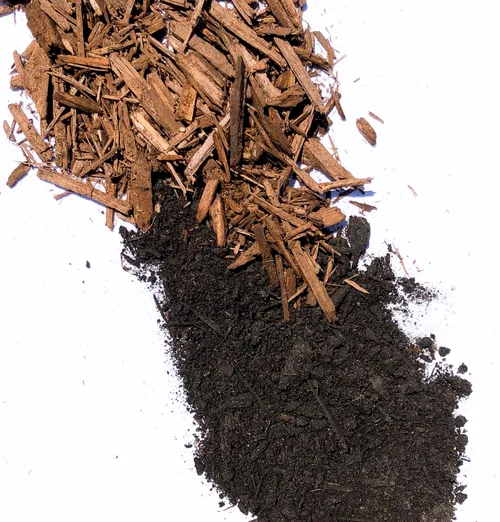
A1 Organics is a family-owned business based in Aurora, CO, specializing in organic recycling and composting services. Since 1974, they have provided commercial landscapers, municipalities, and institutions with certified compost, premium mulches, and organic soil blends. The company operates multiple facilities along the Front Range, including Eaton, Keenesburg, Commerce City, and Englewood, and diverts over 525,000 tons of waste annually from Colorado landfills. A1 Organics also collects used cooking oil and liquid food residuals, recycling 34 million gallons each year. Their certified compost products are STA Certified® and OMRI® Listed, supporting sustainable landscaping and agriculture in the region.
Understanding Commercial Organic Waste Services
In Westminster, commercial organic waste collection is a private-sector service. This means restaurants, cafes, grocery stores, and other food-handling businesses are responsible for sourcing their own hauler for food scraps, soiled paper, and yard waste. The goal of these services is to divert this material to industrial composting facilities, where it is transformed into nutrient-rich soil amendment instead of occupying space in landfills and generating methane, a potent greenhouse gas.
Several reputable providers operate in the Denver Metro area, serving Westminster businesses. Common options include Wompost, which offers tailored collection for food scraps and yard waste with a focus on community-based composting, and national providers like Waste Management (WM), which provides comprehensive commercial organic waste programs. Other regional services, such as RoadRunner Recycling, may also offer organic waste pickup as part of their service portfolio. The key for a restaurant owner is to contact multiple providers to compare services, costs, and container options that fit their specific waste generation patterns.
What Can and Cannot Go in Commercial Compost Bins
Adhering to contamination guidelines is the single most important factor for a successful composting program. Contaminated loads can be rejected by composting facilities, resulting in disposal fees and undermining environmental goals. Providers have strict rules to ensure the final compost product is clean and usable.
Accepted items typically include:
- Food scraps: All food waste, including fruit and vegetable peels, meat, bones, dairy products, bread, and plate scraps.
- Pre-consumer waste: Trimmings, spoiled produce, coffee grounds, and filters.
- Soiled paper products: Uncoated paper napkins, paper towels, pizza boxes (grease-stained portions), and compostable paper serviceware that is certified (e.g., BPI certified).
- Yard waste: Leaves, grass clippings, and small branches.
Strictly prohibited items include:
- Plastics: All conventional plastic bags, packaging, and utensils. Some providers accept certified compostable bags-always verify with your hauler first.
- Liquids: Oils, soups, and beverages.
- Non-compostable materials: Glass, metal, Styrofoam, rubber bands, and any other non-organic material 1.
Find the perfect composting & food waste companies for your needs
Get personalized recommendations and expert advice
Container Options and Collection Schedules
The scale of your operation will determine the type and size of container you need. Providers offer a range of options to suit different volumes of food waste.
- 64-Gallon or 96-Gallon Carts: These wheeled carts, similar to residential trash bins but often in a different color (like green or brown), are suitable for smaller restaurants, cafes, or businesses with lower volumes of organic waste.
- Dumpsters or Compactors: For high-volume establishments like large restaurants, hotels, or institutional kitchens, a dedicated compost dumpster (e.g., 2-6 cubic yards) may be necessary. Compactors can also be used to reduce volume and collection frequency.
Collection schedules are customizable. Most standard services begin with weekly pickup. However, restaurants generating significant food waste may require twice-weekly or even daily service to manage odor and space, especially in warmer months. When requesting quotes, be prepared to estimate your weekly food waste volume to determine the right container size and pickup frequency.
The Cost of Commercial Composting Services
Pricing for commercial food waste recycling is not standardized and varies based on several key factors. You can expect to receive a custom quote from each provider.
Costs are primarily influenced by:
- Container Size and Type: A 96-gallon cart will cost less per month than a 4-yard dumpster.
- Pickup Frequency: Weekly service is standard; more frequent pickups will increase the cost.
- Location and Hauler: Different providers have different rate structures and service areas within Westminster.
- Access Fees: Some contracts may include fees for contamination or extra sorting.
As a general estimate, a restaurant using a standard cart might see monthly fees ranging from $50 to $200 or more. It's important to analyze your total waste bill: by diverting heavy, wet food waste to composting, you may be able to downsize your regular trash dumpster or reduce its pickup frequency, potentially offsetting the new composting cost2. Always request a detailed breakdown of all potential fees.
Steps to Implement a Restaurant Composting Program
Starting a composting program requires planning and communication. Follow these steps to ensure a smooth rollout.
- Contact and Compare Providers: Reach out to at least two or three haulers like Wompost, Waste Management, or RoadRunner. Request detailed quotes that include all container, pickup, and potential fee information.
- Confirm Program Details: Before signing a contract, verify the specific rules: What bin colors will be used? What is the exact list of accepted items? What is the procedure if a load is contaminated?
- Invest in Proper Interior Bins: Place clearly labeled, lined bins (using approved compostable bags or no bags) in key areas: the prep kitchen, dishwashing station, and potentially wait stations for busing scraps.
- Train Your Staff Thoroughly: This is the most critical step for success. Hold training sessions to show staff exactly what goes in the compost bin versus the trash or recycling. Use visual posters above the bins as constant reminders.
- Monitor and Adjust: Check the compost bins regularly for contamination, especially in the first few weeks. Provide feedback to staff and be prepared to retrain as needed. Adjust interior bin placement if necessary.
Benefits Beyond Waste Diversion
While the primary goal is to reduce landfill impact, a robust composting program offers additional advantages for Westminster restaurants. It can enhance your brand's reputation as an environmentally responsible business, appealing to a growing segment of eco-conscious customers. It also encourages operational efficiency by making staff more aware of waste generation, which can lead to reduced food costs through better inventory management. Furthermore, participating in the local circular economy-where food waste becomes compost that nourishes local soils-strengthens community sustainability efforts.
Frequently asked questions
Sources
Footnotes
-
Trash & Recycling | Westminster, CO - https://www.westminsterco.gov/482/Trash-Recycling ↩
-
WOMPOST & COMPOST COLORADO TOGETHER - Wompost ... - https://www.wompostcoop.com/ ↩