
Find the Best Composting & Food Waste Companies for Your Business
No obligation • Fast responses • Nationwide coverage

Why you can trust Restaurant Waste Disposal
Restaurant Waste Disposal is a leading U.S. resource for comparing restaurant composting, food-waste recycling, grease trap cleaning, and used cooking oil collection services. Our editorial team researches providers, checks credentials, and organizes unbiased information so operators can make informed decisions. Companies cannot pay to change ratings or placement.
Search providers near you
Best Composting & Food Waste Companies in Colorado Ranked
For Colorado restaurants, managing food scraps and organic waste is increasingly guided by local mandates rather than a single statewide law. Cities like Denver, Boulder, Longmont, and Aspen have implemented universal recycling and composting ordinances, requiring businesses to divert organic material from landfills. These rules are part of a broader push to meet Colorado's climate goals, which include reducing landfill waste. While requirements vary by municipality, the common thread is a focus on separating food scraps and approved fibers for composting or other beneficial uses, with support available through state grants and local haulers to ease the transition.
Wompost
11881 E 33rd Ave D, Aurora, CO 80010
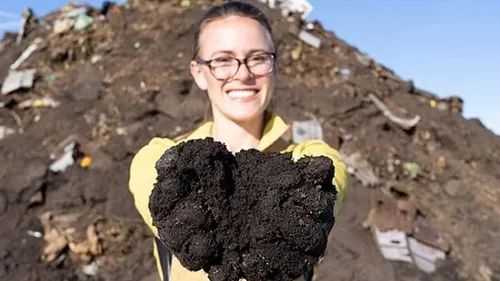
Wompost is a compost collection and delivery service based in Aurora, Colorado, serving Denver and surrounding areas. They specialize in food waste and yard waste composting for homes and businesses, offering weekly pickup and convenient drop-off options. Wompost collects biodegradable waste and returns finished compost soil to customers, helping to recycle organic materials and reduce landfill waste. The company supports carbon farming projects in Colorado and promotes sustainable composting practices within the community. Wompost is women-owned and focuses on making composting accessible and straightforward for its customers.
Compost Queen
1505 N College Ave, Fort Collins, CO 80524
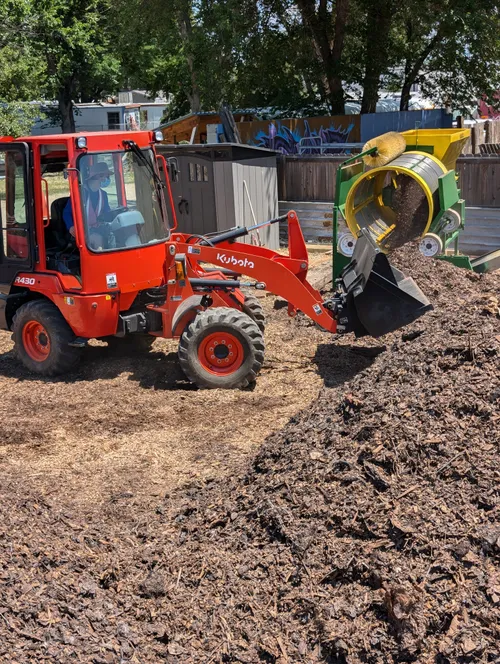
Compost Queen provides food waste and composting services for restaurants and residences in Fort Collins, CO, as well as Timnath, Wellington, Loveland, and Windsor. They operate small-scale, thermophilic composting facilities that transform food scraps into high-quality soil amendments using a carefully balanced aerobic process. Their service includes curbside pickup of food scraps and returning finished compost to customers in the spring and fall. Compost Queen partners with local farms to keep waste local and support sustainable agriculture. The company is involved in a food waste pilot program with the City of Fort Collins, aiming to reduce landfill waste and greenhouse gas emissions.
Common Good Compost LLC
2217 Airway Ave bay 5, Fort Collins, CO 80524
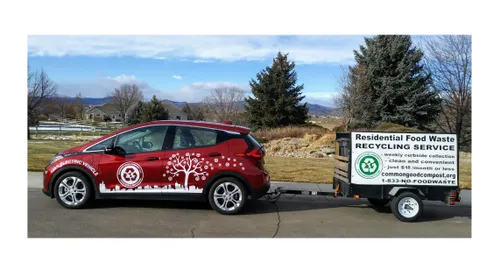
Common Good Compost LLC provides food waste and composting services for restaurants in Fort Collins, CO. They offer weekly pickups of food scraps and supply compostable bags to support sustainable waste management. Their service includes specialized composting options such as pumpkin composting.
A1 Organics
16350 Co Rd 76, Eaton, CO 80615
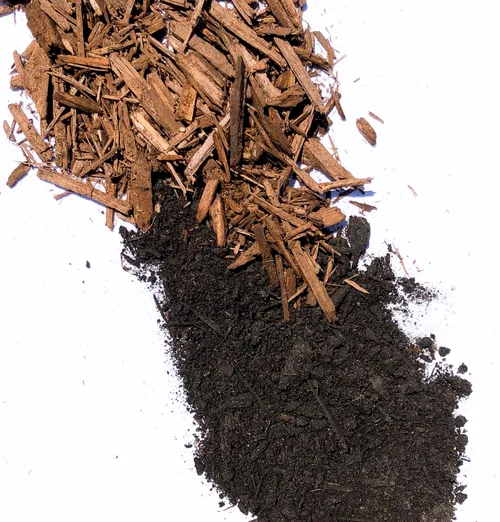
A1 Organics is a family-owned business based in Greeley, CO, specializing in organic recycling and composting services. Since 1974, they have provided organic soils, composts, mulches, and organics recycling for home gardens, commercial landscapers, agriculturalists, municipalities, and institutions throughout the Front Range, including Eaton, Keenesburg, Commerce City, and Englewood. The company is known for diverting over 525,000 tons of waste annually from Colorado landfills and producing certified compost and premium mulches. A1 Organics operates multiple facilities and has been a leader in organic recycling since opening Colorado's first fully permitted recycling facility in 1996.
A1 Organics
9109 Monaco St, Henderson, CO 80640
A1 Organics is a family-owned business based in Aurora, CO, specializing in organic recycling and composting services. Since 1974, they have provided commercial landscapers, municipalities, and institutions with certified compost, premium mulches, and organic soil blends. The company operates multiple facilities along the Front Range, including Eaton, Keenesburg, Commerce City, and Englewood, and diverts over 525,000 tons of waste annually from Colorado landfills. A1 Organics also collects used cooking oil and liquid food residuals, recycling 34 million gallons each year. Their certified compost products are STA Certified® and OMRI® Listed, supporting sustainable landscaping and agriculture in the region.
Understanding Local Organics Diversion Mandates
Colorado's approach to commercial food waste is decentralized. Key cities have enacted their own rules, often starting with universal recycling access and expanding to include mandatory organics diversion.
- Denver's Universal Recycling and Composting Ordinance: Requires all Denver businesses, including restaurants, to provide employees and customers with access to recycling and composting services for designated materials.
- Boulder's Universal Zero Waste Ordinance: Has phased in requirements for businesses to compost, with a strong emphasis on reducing contamination in the compost stream.
- Aspen's Landfill Ban: In a significant move, Aspen banned all organics, including food scraps and soiled paper, from landfill disposal for restaurants and retail food operators starting in late 2023 1.
- Longmont's Phased Implementation: The city is rolling out its commercial organics requirements in phases, with wholesalers and food manufacturers required to comply by January 2025 and other businesses by June 2025.
The first step for any restaurant owner is to check the specific regulations for your city and county. Local government websites provide the most current information on timelines, required materials, and approved service providers 2 3.
What Goes In the Organics Bin?
Proper sorting is critical for successful composting programs. Contamination (non-compostable items) can ruin entire loads of compost, leading to higher processing costs and potential non-compliance issues.
Accepted Food Scraps Typically Include:
- All food waste: meat, bones, seafood, dairy products, fruits, vegetables, and grains.
- Coffee grounds and filters.
- Baked goods and pasta.
Accepted Fibers (Soiled Paper) Typically Include:
- Paper napkins and towels.
- Uncoated paper plates and take-out containers.
- Pizza boxes (excess grease and cheese should be scraped off).
- Paper bags and cardboard soiled with food.
Common Contaminants to Exclude:
- All plastics, including those labeled "compostable" or "biodegradable." Many municipal composting facilities do not accept these items as they do not break down quickly enough in their systems.
- Glass, metal, and liquids.
- Foam containers and plastic-lined paper products.
- Trash or recycling.
It's essential to follow your local hauler's or city's specific guidelines, as accepted materials can vary slightly depending on the processing facility.
Collection and Processing Options for Restaurants
Colorado restaurants have several pathways to comply with organics diversion rules.
- Commercial Hauler Services: The most common method is to contract with a waste hauler that offers commercial organics collection. Companies like EverGreen ZeroWaste in the Aspen area provide dedicated bins and regular pickup schedules tailored to restaurant volume.
- Alternative Diversion Methods: Some ordinances allow for compliance through methods other than composting. This can include food donation to hunger relief organizations or sending certain food scraps to animal feed operations.
- On-Site Collection: In some jurisdictions, restaurants with sufficient space and management may implement customer-facing collection stations. This requires diligent monitoring to ensure low contamination levels 4.
Find the perfect composting & food waste companies for your needs
Get personalized recommendations and expert advice
Costs, Grants, and Financial Support
The cost of adding organics collection varies based on your restaurant's volume, pickup frequency, location, and chosen hauler. While it represents an additional line item, several programs aim to reduce the financial burden and can make recycling food waste a cost-effective strategy 5.
- State Grant Programs: Colorado offers financial assistance through grants like the Recycling Resources Economic Opportunity (RREO) fund and the Front Range Waste Diversion (FRWD) grant program. These funds help businesses and local governments develop and expand recycling and organics diversion infrastructure 6.
- Producer Responsibility Program: The state's Producer Responsibility Program for Statewide Recycling Act (HB 22-1355) requires producers of packaging and paper products to fund recycling and composting programs. This statewide effort is designed to improve system access and reduce costs for end-users over time 7 8.
- Local Assistance: Some cities actively help businesses transition. For example, Aspen's environmental health department has worked directly with restaurants to ensure a smooth compliance process with the new organics ban 9.
The Importance of Contamination Reduction
Success in Colorado's organics recycling landscape hinges on keeping contaminants out of the compost stream. High contamination rates increase processing costs, can render compost unsellable, and undermine the environmental goals of the program. Training staff thoroughly on what can and cannot go in the organics bin is not just good practice-it's essential for the viability of the service. Clear, multilingual signage at collection points is a highly effective tool for both staff and customers 10 11.
Looking Ahead: A Statewide Shift
The momentum in Colorado points toward broader adoption of organics recycling mandates. The recommendations from Denver's Waste No More Task Force and ongoing legislative efforts suggest a future where more jurisdictions enact similar rules 12. For restaurant operators, getting ahead of these trends by establishing a separation system now can ease future compliance, potentially reduce waste hauling costs by diverting heavy, wet organics, and demonstrate a commitment to sustainability that resonates with the Colorado community.
Frequently asked questions
Sources
Footnotes
-
City Ordinance Prohibits Organics From Trash Destined For Disposal - https://www.biocycle.net/ordinance-prohibits-organics/ ↩
-
Universal Recycling Ordinance Information - City of Longmont - https://longmontcolorado.gov/waste-services-trash-recycling-composting/universal-recycling-ordinance-information/ ↩
-
Denver's Universal Recycling and Composting Ordinance - https://denvergov.org/Government/Agencies-Departments-Offices/Agencies-Departments-Offices-Directory/Climate-Action-Sustainability-and-Resiliency/Cutting-Denvers-Carbon-Pollution/Zero-Waste/Denver-Universal-Recycling-and-Composting-Ordinance ↩
-
Assessing Colorado's Food Waste, Organics Recycling Policies - https://www.biocycle.net/colorado-food-waste/ ↩
-
Food waste doesn't have to be expensive: 4 cost-effective recycling strategies - https://www.wastedive.com/news/food-waste-doesnt-have-to-be-expensive-4-cost-effective-recycling-strateg/545701/ ↩
-
Climate Goals - Mitigation: Waste - https://climate.colorado.gov/cc-goals-mitigation-waste ↩
-
Colorado : ReFED | Rethink Food Waste - https://policyfinder.refed.org/colorado/ ↩
-
Recycling and beneficial use | Colorado Department of Public ... - https://cdphe.colorado.gov/hm/recycling ↩
-
City helping Aspen restaurants comply with compost mandate - https://aspenjournalism.org/city-helping-aspen-restaurants-comply-with-compost-mandate/ ↩
-
Commercial | City of Louisville, CO - https://www.louisvilleco.gov/living-in-louisville/residents/sustainability/waste-and-diversion/composting ↩
-
New Compost Rules FAQ for Businesses | City of Boulder - https://bouldercolorado.gov/new-compost-rules-faq-businesses ↩
-
Waste No More Task Force Report - Denvergov.org - https://www.denvergov.org/files/assets/public/v/1/climate-action/documents/waste-no-more/wnm-task-force-report-final-v2_1.pdf ↩