Find the Best Composting & Food Waste Companies for Your Business
No obligation • Fast responses • Nationwide coverage

Why you can trust Restaurant Waste Disposal
Restaurant Waste Disposal is a leading U.S. resource for comparing restaurant composting, food-waste recycling, grease trap cleaning, and used cooking oil collection services. Our editorial team researches providers, checks credentials, and organizes unbiased information so operators can make informed decisions. Companies cannot pay to change ratings or placement.
Search providers near you
Top Composting & Food Waste Companies in Aurora, Colorado Ranked
For restaurant owners and food service managers in Aurora, managing food scraps and organic waste is a critical operational and environmental consideration. While the city's municipal waste program primarily serves residents, Aurora's commercial sector has robust options for diverting food waste from landfills through private haulers and regional sustainability initiatives. Implementing a commercial food waste recycling program can lead to significant cost savings on trash disposal, enhance your establishment's sustainability profile, and contribute to Colorado's broader environmental goals. This guide outlines the practical steps, key providers, and essential guidelines for successfully integrating food scrap collection into your restaurant's daily operations.
Successful organic waste management starts with understanding the local service landscape and the specific requirements for commercial participation.
Wompost
11881 E 33rd Ave D, Aurora, CO 80010
Wompost is a compost collection and delivery service based in Aurora, Colorado, serving Denver and surrounding areas. They specialize in food waste and yard waste composting for homes and businesses, offering weekly pickup and convenient drop-off options. Wompost collects biodegradable waste and returns finished compost soil to customers, helping to recycle organic materials and reduce landfill waste. The company supports carbon farming projects in Colorado and promotes sustainable composting practices within the community. Wompost is women-owned and focuses on making composting accessible and straightforward for its customers.
A1 Organics
9109 Monaco St, Henderson, CO 80640
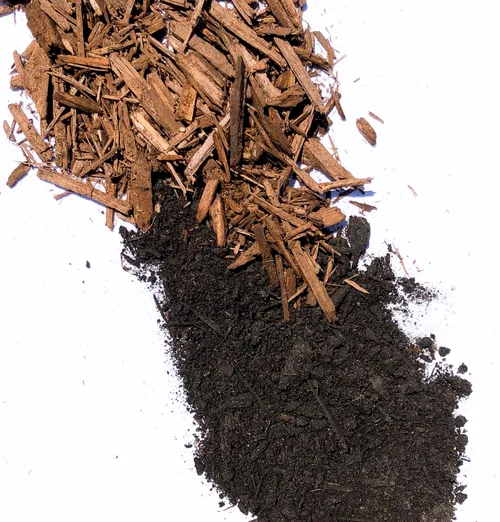
A1 Organics is a family-owned business based in Aurora, CO, specializing in organic recycling and composting services. Since 1974, they have provided commercial landscapers, municipalities, and institutions with certified compost, premium mulches, and organic soil blends. The company operates multiple facilities along the Front Range, including Eaton, Keenesburg, Commerce City, and Englewood, and diverts over 525,000 tons of waste annually from Colorado landfills. A1 Organics also collects used cooking oil and liquid food residuals, recycling 34 million gallons each year. Their certified compost products are STA Certified® and OMRI® Listed, supporting sustainable landscaping and agriculture in the region.
Commercial Food Waste Service Providers in Aurora
In Aurora, commercial food waste diversion is primarily handled by private waste management companies, as the city's direct municipal services focus on residential trash and yard waste collection. The most common path for a restaurant is to contract directly with a hauler that offers specialized organic waste collection.
Private Hauler Options: Major national providers like Republic Services and Waste Management (WM) operate in Aurora and offer tailored commercial food scrap collection programs. Additionally, several local and regional Denver-area haulers provide these services. It is advisable to contact multiple providers to request quotes and compare service specifics, as availability and program structures can vary.
City and Regional Support: The City of Aurora encourages commercial composting through incentives and partnerships. While you will still need a contract with a private hauler, the city may offer resources, workshops, or potential cost-sharing rebates through programs affiliated with the Denver Metro Sustainability Collective (formerly ReSource). Checking the city's official sustainability pages is a recommended first step to understand any current support programs.
Setting Up Your Restaurant's System
Transitioning to food waste recycling involves a few key logistical decisions to ensure the system is efficient and hygienic for your staff.
Container Types and Placement:
- Kitchen Caddies: Small, lidded bins (typically 5-10 gallons) should be placed in food prep areas, dish pits, and anywhere food scraps are generated. These make it easy for staff to separate waste at the source.
- Collection Carts/Dumpsters: For exterior collection, your hauler will provide larger containers. These are often wheeled carts (32-96 gallons) or dumpsters (over 100 gallons) with distinctive green lids to differentiate them from trash and recycling.
Determining Pickup Schedule: The frequency of collection depends entirely on your restaurant's volume of food waste. A small cafe might only need weekly pickup, while a high-volume restaurant may require service multiple times per week. Your hauler will help you determine the appropriate schedule based on your estimated waste output and container size.
Find the perfect composting & food waste companies for your needs
Get personalized recommendations and expert advice
Strict Contamination Guidelines
Adhering to contamination rules is the most critical factor for a successful program. Contaminated loads can be rejected by composting facilities, resulting in extra fees and wasted effort.
What CAN Go In (Typically):
- All food scraps: fruits, vegetables, meat, bones, dairy, bread, and plate scrapings.
- Compostable paper products: uncoated napkins, paper towels, pizza boxes (if not greased through), and some food-soiled paper packaging.
- Certified compostable serviceware: Look for items certified by the Biodegradable Products Institute (BPI) or TUV, including plates, utensils, cups, and liners.
What MUST Stay Out (Crucial):
- Plastic Bags: Standard plastic bags are a major contaminant. Use certified compostable bags or empty kitchen caddies directly into the outdoor cart.
- Plastic of any kind: wrappers, straws, cutlery, packaging.
- Styrofoam, glass, metal, foil.
- Liquids, oils, and grease (these require separate grease trap services).
- Non-compostable serviceware and yard waste.
Understanding Participation Costs
The cost for commercial food waste collection is not standardized and varies based on several factors. However, many restaurants find that diverting organics can reduce their overall waste management expenses.
Cost Structure Components:
- Base/Container Fee: A monthly rental fee for the collection cart or dumpster.
- Per-Pickup or Weight Fee: A charge applied each time the container is serviced. This can range significantly (e.g., $20-$50+ per pickup) based on container size and frequency.
- Potential Savings: Because composting fees are often lower than landfill trash fees, reducing your trash volume and pickup frequency can lead to net savings. This is known as "diversion savings."
- Potential Rebates: Investigate if the City of Aurora or the Denver Metro Sustainability Collective is offering any rebates or incentive programs for commercial food waste diversion 1.
Action Steps for Aurora Restaurants
- Conduct a Waste Audit: Estimate your daily and weekly volume of food scraps. This will inform the size and number of containers you need and help you communicate effectively with haulers.
- Contact Service Providers: Reach out to at least three haulers, such as Republic Services, Waste Management, and local providers, for detailed quotes on commercial food waste collection.
- Check for Local Incentives: Visit AuroraGov.org's sustainability or commercial services sections and the Denver Metro Sustainability Collective website to research any available workshops, grants, or rebate programs.
- Train Your Staff: Comprehensive training is essential. Clearly label bins, post contamination guidelines in visible areas (like above the sorting station), and make the process as simple as possible to ensure high participation and low contamination rates.
Implementing a food waste program is a proactive step toward operational efficiency and environmental stewardship. By partnering with the right hauler and diligently managing contamination, Aurora restaurants can turn waste into a valuable resource.
Frequently asked questions
Sources
Footnotes
-
What is Restaurant Composting? - Benefits & How It Works - https://www.webstaurantstore.com/article/60/restaurant-composting.html ↩