Find the Best Composting & Food Waste Companies for Your Business
No obligation • Fast responses • Nationwide coverage

Why you can trust Restaurant Waste Disposal
Restaurant Waste Disposal is a leading U.S. resource for comparing restaurant composting, food-waste recycling, grease trap cleaning, and used cooking oil collection services. Our editorial team researches providers, checks credentials, and organizes unbiased information so operators can make informed decisions. Companies cannot pay to change ratings or placement.
Search providers near you
Top Composting & Food Waste Companies in Littleton, Colorado Ranked
For restaurants in Littleton, managing food scraps and organic waste is a critical operational and environmental consideration. While the City of Littleton itself does not offer a municipal composting program for all residents and businesses, local food service establishments have robust options through private haulers and regional initiatives, particularly those driven by neighboring Denver's sustainability goals. Implementing a food waste diversion program can significantly reduce landfill contributions, lower waste disposal costs, and demonstrate a commitment to sustainability. This guide outlines the pathways available for Littleton restaurants to establish effective organics recycling.
Wompost
11881 E 33rd Ave D, Aurora, CO 80010
Wompost is a compost collection and delivery service based in Aurora, Colorado, serving Denver and surrounding areas. They specialize in food waste and yard waste composting for homes and businesses, offering weekly pickup and convenient drop-off options. Wompost collects biodegradable waste and returns finished compost soil to customers, helping to recycle organic materials and reduce landfill waste. The company supports carbon farming projects in Colorado and promotes sustainable composting practices within the community. Wompost is women-owned and focuses on making composting accessible and straightforward for its customers.
A1 Organics
9109 Monaco St, Henderson, CO 80640
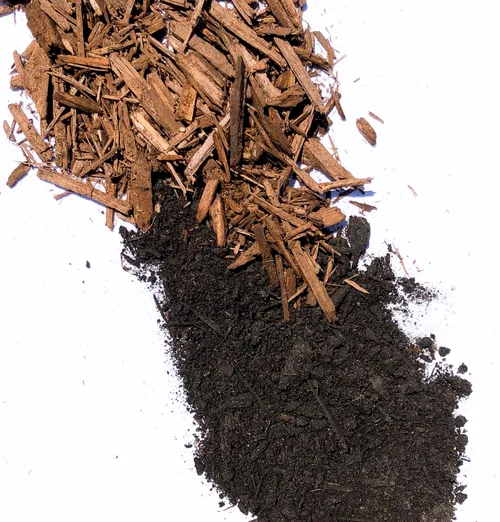
A1 Organics is a family-owned business based in Aurora, CO, specializing in organic recycling and composting services. Since 1974, they have provided commercial landscapers, municipalities, and institutions with certified compost, premium mulches, and organic soil blends. The company operates multiple facilities along the Front Range, including Eaton, Keenesburg, Commerce City, and Englewood, and diverts over 525,000 tons of waste annually from Colorado landfills. A1 Organics also collects used cooking oil and liquid food residuals, recycling 34 million gallons each year. Their certified compost products are STA Certified® and OMRI® Listed, supporting sustainable landscaping and agriculture in the region.
Understanding Your Service Options
Littleton restaurants primarily access organic waste collection through private contracts. The most common route is to engage with national or regional waste management companies that offer commercial food scrap collection as part of their service portfolio. Major providers like Republic Services and Waste Management operate in the area and can provide tailored solutions for food waste diversion.
Many businesses in Littleton also leverage programs based in Denver. Denver's RecycleRight initiative and the state's efforts toward SB 1383 compliance have created a network of services and, in some cases, financial incentives that are accessible to businesses in the broader metro area. It's worthwhile to investigate if your establishment qualifies for these Denver-area benefits, which can include subsidized or even free collection services. Additionally, specialized local composters like Food to Soil or Compost Queen focus specifically on organic waste pickup, offering a more dedicated service model.
Setting Up Your Collection System
A successful organics recycling program starts with the right containers in the right places. The standard collection unit provided by haulers is a large, wheeled cart, typically in 32, 64, or 96-gallon sizes, often colored green for easy identification. These are stationed in your waste corral for periodic pickup.
Inside the kitchen and front-of-house, the key is convenience for staff. Small, lidded countertop bins (usually 1 to 3 gallons) should be placed at prep stations, dish pits, and busing areas to make scraping plates and sorting scraps effortless. Clear signage above these bins reminding employees what is and isn't compostable is essential for maintaining a clean stream.
Scheduling and Logistics of Pickups
The frequency of your food waste collection will depend entirely on the volume your restaurant generates. A high-volume establishment, such as a large banquet hall or busy downtown eatery, may require daily or every-other-day service to manage odor and space. A smaller café or bistro might find that a weekly or bi-weekly pickup schedule is sufficient. Your service provider will help you determine the optimal schedule based on your cart size and observed waste output, and this schedule can often be bundled with your existing trash and recycling pickups for logistical simplicity.
Mastering Contamination Guidelines
The single most important factor for a cost-effective and functional composting program is avoiding contamination. Contaminated loads can be rejected by the composting facility, leading to potential fines from your hauler and undermining your sustainability efforts.
You CAN compost:
- All food scraps, including fruits, vegetables, meat, bones, dairy, grains, and bread.
- Coffee grounds and filters, as well as tea bags (staples removed).
- Soiled, non-recyclable paper products like napkins, paper towels, and pizza boxes.
- Compostable serviceware that is clearly labeled "Commercially Compostable".
You CANNOT compost (these are contaminants):
- Plastic bags, wrappers, or film of any kind.
- Glass, metal, or aluminum foil.
- Styrofoam or plastic utensils.
- Liquids, oils, or grease.
- Diapers, pet waste, or rubber gloves.
A good rule of thumb for staff is: "When in doubt, throw it out." It's better for a questionable item to go to the landfill than to risk contaminating an entire cart of valuable compostable material.
Find the perfect composting & food waste companies for your needs
Get personalized recommendations and expert advice
Analyzing Participation Costs
Investing in organic waste diversion does have a cost, but it can be offset by reduced trash volume and potential savings on landfill fees. Costs are highly variable and depend on your chosen hauler, collection frequency, cart size, and whether any subsidies apply.
- For a small restaurant or café, monthly costs might range from approximately $50 to $150+.
- For larger, high-volume restaurants, costs can range from $150 to $400 or more per month 1.
The most significant variable is access to Denver's subsidized programs. Businesses that qualify may see their costs dramatically reduced or even eliminated as part of the city's waste diversion goals. This makes it crucial to explore all regional options when requesting quotes.
Actionable Steps to Get Started
- Conduct a Waste Audit: Spend a week observing your trash output to estimate how much food waste you generate. This data is invaluable when speaking with service providers.
- Contact Major Haulers: Reach out to Republic Services and Waste Management for commercial composting service quotes. Ask if they offer bundled service discounts.
- Research Regional Programs: Investigate Denver's RecycleRight resources and SB 1383 compliance programs to see if your business might qualify for supportive benefits.
- Get Quotes from Specialists: Contact local-focused composters like Food to Soil or Compost Queen for tailored service options.
- Train Your Team: Before the first pickup, hold a training session with all staff. Use clear visuals and simple rules to ensure everyone understands the new system.
Implementing a food scrap recycling program is a proactive step toward operational efficiency and environmental stewardship. By choosing the right service partner and committing to proper sorting, Littleton restaurants can transform their food waste into a valuable resource for local soil health.
Frequently asked questions
Sources
Footnotes
-
How to Compost in Denver: Understanding the Program's Rules - https://www.mill.com/blog/denver-composting ↩