Find the Best Composting & Food Waste Companies for Your Business
No obligation • Fast responses • Nationwide coverage

Why you can trust Restaurant Waste Disposal
Restaurant Waste Disposal is a leading U.S. resource for comparing restaurant composting, food-waste recycling, grease trap cleaning, and used cooking oil collection services. Our editorial team researches providers, checks credentials, and organizes unbiased information so operators can make informed decisions. Companies cannot pay to change ratings or placement.
Search providers near you
Top Composting & Food Waste Companies in Centennial, Colorado Ranked
For restaurants in Centennial, managing organic waste is no longer just an environmental consideration-it's a state-mandated business requirement. Colorado's progressive organics diversion laws require all businesses, including food service establishments, to subscribe to a collection service for their food scraps and compostable materials. Unlike some cities with municipal programs, Centennial relies on a network of private haulers and composting specialists to provide these essential services. This guide will help you navigate the local landscape of commercial composting, food waste recycling, and organic diversion, detailing provider options, compliance steps, and best practices to turn your kitchen waste into a valuable resource.
Navigating this new requirement begins with understanding your options. Several established providers serve the Centennial area, each offering tailored solutions for restaurants of different sizes and waste volumes.
Wompost
11881 E 33rd Ave D, Aurora, CO 80010
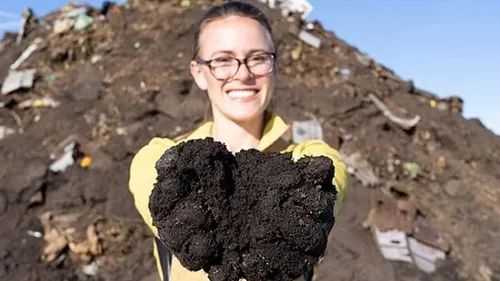
Wompost is a compost collection and delivery service based in Aurora, Colorado, serving Denver and surrounding areas. They specialize in food waste and yard waste composting for homes and businesses, offering weekly pickup and convenient drop-off options. Wompost collects biodegradable waste and returns finished compost soil to customers, helping to recycle organic materials and reduce landfill waste. The company supports carbon farming projects in Colorado and promotes sustainable composting practices within the community. Wompost is women-owned and focuses on making composting accessible and straightforward for its customers.
A1 Organics
9109 Monaco St, Henderson, CO 80640
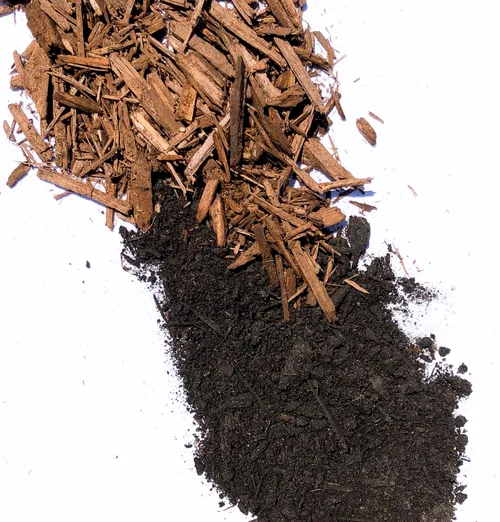
A1 Organics is a family-owned business based in Aurora, CO, specializing in organic recycling and composting services. Since 1974, they have provided commercial landscapers, municipalities, and institutions with certified compost, premium mulches, and organic soil blends. The company operates multiple facilities along the Front Range, including Eaton, Keenesburg, Commerce City, and Englewood, and diverts over 525,000 tons of waste annually from Colorado landfills. A1 Organics also collects used cooking oil and liquid food residuals, recycling 34 million gallons each year. Their certified compost products are STA Certified® and OMRI® Listed, supporting sustainable landscaping and agriculture in the region.
Key Service Providers for Centennial Restaurants
Choosing the right partner is crucial for a smooth and compliant organics recycling program. Here are three prominent local providers:
- EverGreen ZeroWaste: This provider focuses specifically on comprehensive organic waste solutions for businesses, including restaurants, hotels, and schools. They work with clients to design a program that fits their specific waste stream and volume.
- Wompost: Offering both residential and commercial pickup services, Wompost also provides a unique benefit by sometimes returning finished compost to participants, closing the loop on the process. They are a cooperative focused on community-driven composting solutions.
- A1 Organics: A major organics recycler in Colorado, A1 Organics works directly with businesses to recycle green waste into soil products. They handle the processing end and often partner with haulers or provide direct services for commercial accounts.
It is highly recommended to contact at least two or three of these providers to compare service specifics and pricing tailored to your operation.
Understanding Colorado's Organic Waste Mandate
The driving force behind the need for these services is state legislation. Colorado law mandates that covered businesses arrange for organic waste collection. This means:
- Broad Eligibility: Virtually all restaurants and food-serving businesses in Centennial are required to participate.
- Subscription is Mandatory: Simply separating your waste is not enough; you must have a formal agreement with a licensed hauler or composter for its collection and proper processing1.
- The Goal is Diversion: The law aims to keep organic material out of landfills, where it generates harmful methane gas, and instead recycle it into compost, a soil amendment.
Setting Up Your Restaurant's Program
Implementing a successful food waste diversion system involves a few key steps, from estimating your output to training your team.
Step 1: Estimate Your Waste Volume
Before calling for quotes, take a week to audit your food waste. Track pre-consumer scraps (peels, trimmings, spoiled inventory) and post-consumer waste (plate scrapings). This will give you a realistic idea of the bin size and pickup frequency you'll need.
Step 2: Container Types and Pickup Schedules
Your chosen provider will supply the appropriate containers. For restaurants, these typically range from 32-gallon to 96-gallon wheeled carts for smaller volumes, or larger dumpsters for high-output kitchens. Pickup frequency is usually weekly but can be scheduled more often (e.g., twice or three times a week) for establishments that generate significant waste or have limited storage space2.
Step 3: Master Contamination Guidelines
The single biggest challenge in commercial composting is keeping the stream clean. Contamination with non-compostable materials can ruin entire loads.
- What CAN Go In: All food scraps, including fruits, vegetables, meat, dairy, bones, and coffee grounds. Also, food-soiled paper products like napkins, paper towels, uncoated paper plates, and pizza boxes are generally accepted.
- What MUST Stay Out: No plastic bags, utensils, or packaging. No Styrofoam, glass, metal, or liquids. Even "compostable" plastic utensils often require specific industrial facilities to break down and should be confirmed with your provider before including3.
Find the perfect composting & food waste companies for your needs
Get personalized recommendations and expert advice
Cost Considerations for Commercial Composting
Pricing for organic waste collection is not one-size-fits-all. It depends entirely on the volume of waste you generate and how often it needs to be hauled away. Costs are typically structured around the size of the container and the frequency of pickup. For example, service for a standard 64-gallon cart collected weekly might range significantly based on the provider and your location within Centennial4 5 6. For larger operations requiring a dumpster and multiple pickups, monthly costs will be higher. The most accurate way to determine cost is to get tailored quotes from providers like EverGreen ZeroWaste, Wompost, or A1 Organics based on your waste audit.
Staff Training and Program Maintenance
A program is only as good as your team's adherence to it. Clear, consistent training is essential.
- Label Bins Clearly: Use color-coding and easy-to-read signs with pictures showing what goes where.
- Start Small: Begin by collecting only pre-consumer kitchen scraps before expanding to post-consumer waste from dining areas.
- Designate a Champion: Appoint a staff member to monitor the bins, answer questions, and ensure compliance.
- Audit Regularly: Periodically check your compost bins for contamination and provide refresher training as needed.
By diverting food waste, your restaurant not only complies with state law but also contributes to a circular economy, reducing landfill impact and supporting the creation of nutrient-rich compost for local agriculture and landscaping.
Frequently asked questions
Sources
Footnotes
-
Colorado : ReFED | Rethink Food Waste - https://policyfinder.refed.org/colorado/ ↩
-
Congress of the Philippines [ REPUBLIC ACT NO. 9003 ] - https://faolex.fao.org/docs/pdf/phi45260.pdf ↩
-
What Can And Can't Go In A Commercial Composting Pile - https://scarabmfg.com/what-can-and-cant-go-in-a-commercial-composting-pile/ ↩
-
WOMPOST & COMPOST COLORADO TOGETHER - Wompost ... - https://www.wompostcoop.com/ ↩
-
BUSINESS COMPOST COLLECTIONS - EverGreen ZeroWaste - https://evergreenzerowaste.com/business-composting/ ↩
-
Schedule Your Bulk Compost Delivery In Colorado - A1 Organics - https://a1organics.com/commercial/ ↩