Find the Best Composting & Food Waste Companies for Your Business
No obligation • Fast responses • Nationwide coverage

Why you can trust Restaurant Waste Disposal
Restaurant Waste Disposal is a leading U.S. resource for comparing restaurant composting, food-waste recycling, grease trap cleaning, and used cooking oil collection services. Our editorial team researches providers, checks credentials, and organizes unbiased information so operators can make informed decisions. Companies cannot pay to change ratings or placement.
Search providers near you
Top Composting & Food Waste Companies in Broomfield, Colorado Ranked
For restaurants and food service businesses in Broomfield, managing organic waste is a critical step toward sustainability and operational efficiency. Diverting food scraps and compostable materials from the landfill not only reduces methane emissions but can also streamline waste management and potentially lower overall disposal costs. The city, through its Sustainable Broomfield initiative, encourages commercial participation in organics diversion, though services are primarily facilitated through private waste haulers. Navigating the options for food waste recycling involves understanding local providers, accepted materials, and best practices to ensure a successful and compliant program.
Wompost
11881 E 33rd Ave D, Aurora, CO 80010
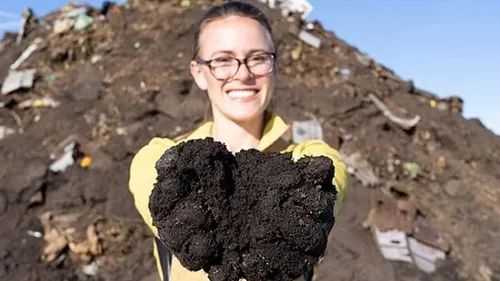
Wompost is a compost collection and delivery service based in Aurora, Colorado, serving Denver and surrounding areas. They specialize in food waste and yard waste composting for homes and businesses, offering weekly pickup and convenient drop-off options. Wompost collects biodegradable waste and returns finished compost soil to customers, helping to recycle organic materials and reduce landfill waste. The company supports carbon farming projects in Colorado and promotes sustainable composting practices within the community. Wompost is women-owned and focuses on making composting accessible and straightforward for its customers.
A1 Organics
9109 Monaco St, Henderson, CO 80640
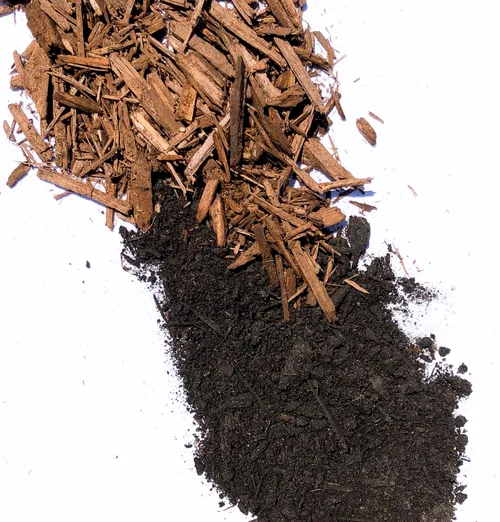
A1 Organics is a family-owned business based in Aurora, CO, specializing in organic recycling and composting services. Since 1974, they have provided commercial landscapers, municipalities, and institutions with certified compost, premium mulches, and organic soil blends. The company operates multiple facilities along the Front Range, including Eaton, Keenesburg, Commerce City, and Englewood, and diverts over 525,000 tons of waste annually from Colorado landfills. A1 Organics also collects used cooking oil and liquid food residuals, recycling 34 million gallons each year. Their certified compost products are STA Certified® and OMRI® Listed, supporting sustainable landscaping and agriculture in the region.
Commercial Organics Collection Services in Broomfield
Most Broomfield businesses, including restaurants, grocery stores, and multi-family residences, arrange for organic waste collection through private contracts. There is no single city-run commercial composting service; instead, businesses must engage directly with waste service providers.
Primary Service Providers:
- Private Haulers: Companies like Waste Connections, which already serve many Broomfield businesses for trash and recycling, often offer commercial organics collection as an additional service. Restaurants should contact their current waste hauler first to inquire about adding food scrap collection.
- Specialized Compost Services: While some dedicated compost haulers operate in the broader Front Range region, availability directly in Broomfield can vary. It's worthwhile to research regional providers who may service the area, as they often have deep expertise in handling food service organics.
Setting Up Service: The process typically involves contacting providers for a quote based on your estimated volume of organic waste. The hauler will then determine the appropriate container size and pickup frequency (usually weekly or bi-weekly) as part of your service agreement.
What Materials Are Accepted in Commercial Composting?
Understanding what can and cannot go into your organics bin is the most crucial factor for a successful program. Contamination with non-compostable items can lead to entire loads being rejected, resulting in potential fines or service disruptions.
Accepted Food Scraps & Organics: Businesses can typically compost a wide variety of materials generated in a kitchen or food service setting. Commonly accepted items include:
- All food scraps, both cooked and uncooked (e.g., vegetable peels, meat, bones, dairy, bread, and coffee grounds with filters).
- Food-soiled paper products, such as uncoated paper plates, napkins, pizza boxes, and paper towels.
- Yard trimmings and plant-based materials.
Common Contaminants to Avoid: Contamination is a major issue for composting facilities. Items that are NOT accepted in most commercial compost streams include:
- Compostable Plastic Bags and Utensils: Despite being labeled "compostable," these items require very specific, high-temperature industrial facilities to break down and are generally not accepted in the Front Range's composting systems.
- Traditional Plastics, Glass, and Metals: These should always go into recycling or trash.
- Styrofoam and Other Packaging Materials.
- Liquids and Grease: While small amounts of food-soiled paper are okay, free-flowing oils and grease should be managed separately through a grease trap service or used cooking oil collection.
When in doubt, the best practice is to consult your specific hauler's guidelines, as acceptance can vary slightly between service providers.
Container Options and Logistics
Implementing an organics diversion program requires planning for both back-of-house and customer-facing logistics.
Collection Containers: Your hauler will supply commercial-grade carts or bins. Common sizes include 32, 64, or 96-gallon wheeled carts, chosen based on your weekly volume of food scraps and compostables 1. For indoor collection in kitchens, using small, lidded bins lined with a paper bag or no liner at all is recommended to avoid plastic contamination.
Staff Training and Bin Placement: Success hinges on consistent staff participation. Clear, multilingual signage (available from resources like Eco-Cycle ) placed above collection stations is essential. Training should emphasize what is compostable versus what is recyclable or trash. Strategically placing organics bins next to trash and recycling stations in both prep areas and, if applicable, customer dining spaces can dramatically improve capture rates and reduce contamination.
Find the perfect composting & food waste companies for your needs
Get personalized recommendations and expert advice
The Cost and Benefits of Food Waste Diversion
The financial model for commercial composting is an important consideration for any restaurant owner.
Understanding Costs: Pricing for organic waste collection is not standardized and varies widely based on your hauler, the volume of material, and pickup frequency 2. Generally, you can expect the service to cost more than recycling pickup but less than traditional landfill-bound trash disposal. It's important to get detailed quotes from providers that outline all associated fees.
Potential for Cost Savings: While there is a direct cost for organics collection, a significant indirect benefit is the potential reduction in your trash disposal costs. By diverting heavy, wet food scraps from your trash bin, you may be able to reduce the size of your trash container or the frequency of trash pickups, offsetting some or all of the cost of the new composting service 3 4. A waste audit can help identify these savings opportunities.
Environmental and Community Benefits: Beyond the balance sheet, diverting organics aligns with Colorado's broader environmental goals. Composting transforms waste into a valuable soil amendment, closes the nutrient loop, and significantly reduces greenhouse gas emissions from landfills. Participating also demonstrates a commitment to sustainability that resonates with the community and an increasingly eco-conscious customer base.
Local Resources and Regulatory Landscape
Broomfield restaurants are supported by local initiatives and should be aware of the regional context for organic waste.
Sustainable Broomfield: The city's Sustainable Broomfield program is a key resource for businesses starting their sustainability journey. Their website and outreach efforts provide guidance and highlight local success stories related to composting and waste reduction 5. They can be a helpful starting point for understanding local priorities and connecting with other businesses.
Regional Guidelines and Trends: Broomfield is part of the Denver metro and Front Range region, where organics recycling is a growing focus. Guidelines from neighboring Boulder County and organizations like Eco-Cycle often serve as a useful benchmark for best practices, especially regarding contamination standards 6. Staying informed about regional trends is wise, as broader policy changes regarding commercial food waste diversion could emerge in the future.
Getting Started: A Step-by-Step Guide
- Conduct a Pre-Assessment: Spend a week auditing your trash to estimate how much of it is compostable organic material. This data will be valuable when speaking with haulers.
- Contact Service Providers: Reach out to your current trash hauler (e.g., Waste Connections ) and other local commercial waste companies to request quotes for organics collection. Ask specific questions about accepted materials, contamination policies, and container options.
- Secure Internal Supplies: Purchase small, dedicated kitchen bins and download clear signage (available in English and Spanish from resources like 7).
- Train Your Team: Hold a staff training session before the service starts. Explain the "why," and do a hands-on demonstration of what goes in each bin.
- Launch and Monitor: Begin service and check the contents of your organics bin regularly for the first few weeks to catch and correct any contamination issues quickly.
Frequently asked questions
Sources
Footnotes
-
ORGANICS RECOVERY STUDY - Routt County - https://www.co.routt.co.us/AgendaCenter/ViewFile/Item/19331?fileID=17316 ↩
-
Business & Commercial Waste Management Service - Waste Connections - https://www.wasteconnections.com/services/commercial/commercial-business-waste-management/ ↩
-
Universal Waste Collection in Broomfield - https://www.broomfieldvoice.com/universalwastecollection-english ↩
-
RECYCLING & COMPOSTING - The Public Interest Network - https://publicinterestnetwork.org/wp-content/uploads/2025/11/State-of-Recycling-and-Composting-in-Colorado_9th-edition_Eco-Cycle_CoPIRG_2025_web.pdf ↩
-
Composting - Sustainable Broomfield - http://sustainablebroomfield.com/compost-club/ ↩
-
Composting - Boulder County - https://bouldercounty.gov/environment/composting/ ↩
-
Compost Guidelines for Restaurants & Grocery Stores (Bilingual) - Eco-Cycle - https://ecocycle.org/resources/compost-guidelines-for-restaurants-grocery-stores-bilingual/ ↩