Find the Best Composting & Food Waste Companies for Your Business
No obligation • Fast responses • Nationwide coverage

Why you can trust Restaurant Waste Disposal
Restaurant Waste Disposal is a leading U.S. resource for comparing restaurant composting, food-waste recycling, grease trap cleaning, and used cooking oil collection services. Our editorial team researches providers, checks credentials, and organizes unbiased information so operators can make informed decisions. Companies cannot pay to change ratings or placement.
Search providers near you
Top Composting & Food Waste Companies in Arvada, Colorado Ranked
For restaurants and food service businesses in Arvada, managing organic waste is a critical operational and environmental consideration. While the city does not currently offer a universal municipal composting program, it actively encourages commercial food waste diversion through partnerships with private haulers and is developing a comprehensive Waste Diversion Action Plan. This means local businesses have the opportunity-and responsibility-to significantly reduce landfill waste by implementing a robust organics recycling program. Success hinges on understanding the available private services, adhering to strict contamination guidelines, and effectively training staff to separate food scraps, yard trimmings, and approved compostables from the general waste stream.
Wompost
11881 E 33rd Ave D, Aurora, CO 80010
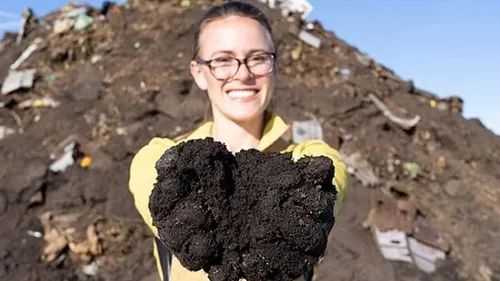
Wompost is a compost collection and delivery service based in Aurora, Colorado, serving Denver and surrounding areas. They specialize in food waste and yard waste composting for homes and businesses, offering weekly pickup and convenient drop-off options. Wompost collects biodegradable waste and returns finished compost soil to customers, helping to recycle organic materials and reduce landfill waste. The company supports carbon farming projects in Colorado and promotes sustainable composting practices within the community. Wompost is women-owned and focuses on making composting accessible and straightforward for its customers.
A1 Organics
9109 Monaco St, Henderson, CO 80640
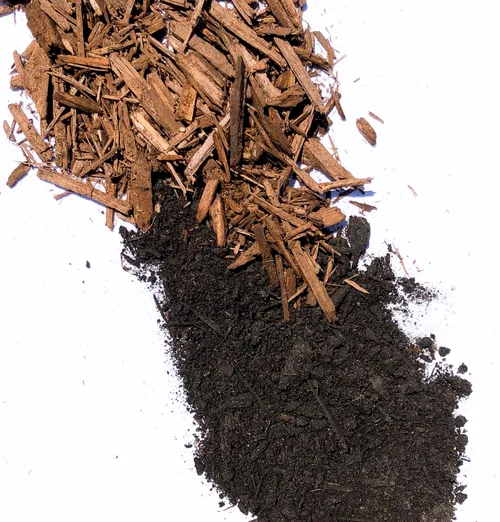
A1 Organics is a family-owned business based in Aurora, CO, specializing in organic recycling and composting services. Since 1974, they have provided commercial landscapers, municipalities, and institutions with certified compost, premium mulches, and organic soil blends. The company operates multiple facilities along the Front Range, including Eaton, Keenesburg, Commerce City, and Englewood, and diverts over 525,000 tons of waste annually from Colorado landfills. A1 Organics also collects used cooking oil and liquid food residuals, recycling 34 million gallons each year. Their certified compost products are STA Certified® and OMRI® Listed, supporting sustainable landscaping and agriculture in the region.
Understanding Arvada's Approach to Organic Waste
Arvada's strategy for food scrap recycling is built on a foundation of private enterprise supported by municipal goals. The City of Arvada is in the process of crafting a detailed Waste Diversion Action Plan, which includes significant focus on increasing commercial organics diversion. This plan involves engaging directly with local businesses to identify barriers and create resources for better waste management. For now, restaurants and other commercial entities must contract directly with licensed private waste haulers to arrange for the collection and processing of their food and yard waste 1. This model offers flexibility but requires business owners to be proactive in selecting a service provider that fits their volume, schedule, and budget.
Partnering with Private Haulers for Collection
The cornerstone of any commercial food waste program in Arvada is the relationship with a private hauler. Several national and local companies service the area, including Republic Services, Waste Management, and smaller regional operators. The process typically begins with a service assessment, where the hauler evaluates your establishment's waste generation to recommend an appropriate container size and pickup frequency.
- Service Providers: Major providers like Republic Services offer dedicated commercial organics collection, often as part of a suite of waste services that includes trash and recycling. It's also worthwhile to inquire with local specialists who may focus specifically on organics.
- Container Logistics: Businesses are typically provided with large, durable dumpsters or roll-off containers, ranging from 1.5 to 3 cubic yards or more, specifically designated for organics. These are often placed alongside trash and recycling containers for easy staff access.
- Scheduling: Pickup frequency is not one-size-fits-all. It can vary from weekly to bi-weekly, depending entirely on the volume of food waste your business produces and the terms of your contract with the hauler.
What Goes In (and Stays Out) of the Compost Bin
Maintaining a clean stream of organic material is paramount. Contamination-the presence of non-compostable items-can lead to rejected loads, extra fees, and undermines the composting process. Haulers and processing facilities have strict guidelines to ensure the final compost product is safe and usable.
Accepted Materials:
- Pre-consumer food scraps (e.g., vegetable peels, eggshells, coffee grounds)
- Post-consumer food scraps (plate scrapings)
- Yard trimmings, leaves, and grass clippings
- Non-coated paper products (like napkins or unlined paper trays)
Strictly Prohibited Materials:
- All plastics, including so-called "compostable" or biodegradable bags (these often do not break down in local industrial facilities) 2
- Glass, metal, and other recyclables
- Liquids, fats, and oils (these require separate grease trap or used cooking oil services)
- Any form of general trash
Find the perfect composting & food waste companies for your needs
Get personalized recommendations and expert advice
Costs and Considerations for Your Business
Investing in organics recycling involves operational costs, but these are often balanced by potential reductions in trash disposal fees and aligned with sustainability goals that customers value. Pricing is not standardized and depends on several key factors:
- Service Provider: Different haulers have different rate structures.
- Container Size & Frequency: Larger bins and more frequent pickups will cost more.
- Location and Volume: The specific logistics of your business location and your weekly waste output.
While exact figures for Arvada restaurants require a direct quote, available data provides a rough framework. For context, adding a residential compost cart in the region may cost around $3 per month, but commercial services represent a larger scale investment 3. Some haulers may charge an annual fee for a compost roll-off container, which could be in the hundreds of dollars, plus per-haul tipping fees 3. The most significant financial incentive is avoiding contamination fees, which can be substantial if a load is rejected at the processing facility 4.
Steps to Implement a Successful Program
Starting a food waste diversion program requires planning and commitment. Follow these steps to ensure a smooth rollout:
- Contact Haulers for Quotes: Reach out to multiple service providers, such as Republic Services, Waste Management, and local specialists, to compare services, container options, schedules, and costs 5.
- Review City Resources: Familiarize yourself with the City of Arvada's Waste Diversion Action Plan and any upcoming regulations or incentives for businesses 6. Staying informed helps with long-term planning.
- Conduct a Waste Audit: Briefly assess what types of waste your kitchen generates and in what volume. This will help you choose the right service level and identify source reduction opportunities.
- Train Your Staff Thoroughly: This is the most critical step for success. Hold training sessions to explain why composting is important and exactly what can and cannot go in the green bin. Use clear signage in English and Spanish at all collection points 7.
- Monitor and Adjust: Designate a staff member to periodically check the organics bin for contamination, especially in the first few weeks. Provide feedback and retrain as necessary to keep the stream clean.
The Broader Impact and Future of Waste in Arvada
By diverting food scraps from the landfill, Arvada restaurants contribute to several positive outcomes. Composting reduces methane emissions-a potent greenhouse gas-from decomposing organics in landfills. The resulting compost enriches soil, supporting local agriculture and landscaping in a circular economy 8. Furthermore, as Arvada finalizes and implements its Waste Diversion Action Plan, businesses that are early adopters of organics recycling will be well-positioned to comply with future regulations and may benefit from enhanced municipal support or recognition programs 9. Your commitment today is an investment in a more sustainable and resilient local community.
Frequently asked questions
Sources
Footnotes
-
Local trash company bracing for Arvada's waste hauling changes - https://www.coloradocommunitymedia.com/archives/arvada/news/article_1e09f3e0-2e3f-524e-9157-393ab5859194.html ↩
-
Compost Contamination - Recycle Colorado - https://www.recyclecolorado.org/compost-contamination/ ↩
-
Rules and Regulations for Trash, Recycling and Compost - https://denver.prelive.opencities.com/files/assets/public/denver-human-services/documents/rules-regulations-trash-recycle-compost.pdf ↩ ↩2
-
City Makes Immediate Changes to Compost Rules for Businesses - https://bouldercolorado.gov/news/city-makes-immediate-changes-compost-rules-businesses ↩
-
Arvada, CO Events and Services - https://www.republicservices.com/municipality/arvada-co/events-services ↩
-
Waste Diversion Action Plan | Arvada, CO - https://www.arvadaco.gov/1145/Waste-Diversion-Action-Plan ↩
-
Residential | Composting at Home - Scraps - https://scrapsmilehigh.com/residential/ ↩
-
Composting - Boulder County - https://bouldercounty.gov/environment/composting/ ↩
-
increasing recycling, composting and waste reduction - Erie, CO - https://www.erieco.gov/DocumentCenter/View/15483/Waste-Diversion-Policy-Assessment-November-2021 ↩