Find the Best Composting & Food Waste Companies for Your Business
No obligation • Fast responses • Nationwide coverage

Why you can trust Restaurant Waste Disposal
Restaurant Waste Disposal is a leading U.S. resource for comparing restaurant composting, food-waste recycling, grease trap cleaning, and used cooking oil collection services. Our editorial team researches providers, checks credentials, and organizes unbiased information so operators can make informed decisions. Companies cannot pay to change ratings or placement.
Search providers near you
Top Composting & Food Waste Companies in Whittier, California Ranked
For Whittier restaurants, managing organic waste is no longer just an environmental best practice-it's a state-mandated requirement. California's SB 1383 law requires all businesses, including food service establishments, to separate food scraps, soiled paper, and other compostable materials from their regular trash. This initiative aims to dramatically reduce greenhouse gas emissions from landfills by diverting organic waste to composting or anaerobic digestion facilities. For your kitchen, this means setting up a streamlined system for sorting scraps, using the correct colored carts, and potentially partnering with food recovery organizations for edible surplus. Navigating these new rules is essential for compliance and contributes to Whittier's broader sustainability goals.
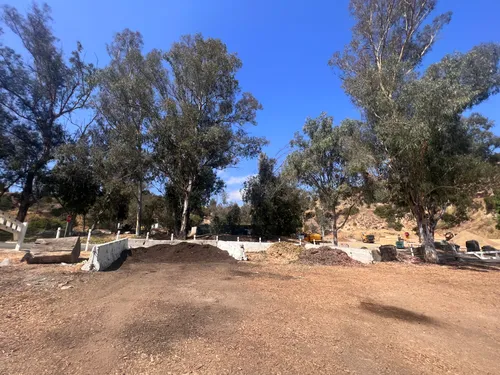
Griffith Park Composting Facility
5400 Griffith Park Dr, Los Angeles, CA 90027
Griffith Park Composting Facility provides food waste composting services primarily for restaurants in Glendale, CA. The facility specializes in processing organic waste to support sustainable waste management practices in the area.
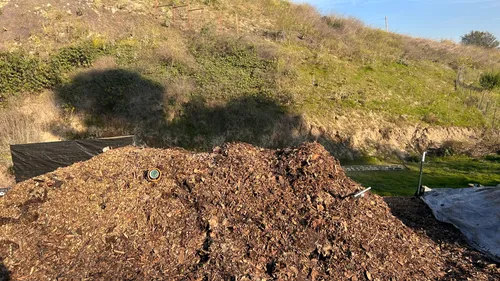
TAWA compost green waste food recycling
4002 Drysdale Ave, Los Angeles, CA 90032
TAWA Compost Green Waste Food Recycling is based in Los Angeles, CA, providing food waste and composting services primarily for restaurants and commercial clients. They offer drop-off options for commercial food waste, green waste, and residential waste, as well as onsite waste management and emergency food waste pickup available 24/7. Founded during the COVID-19 pandemic, TAWA Compost began as a food rescue initiative to address food insecurity and now focuses on turning inedible food into nutrient-rich compost. They also conduct workshops to educate the community on reducing waste and maximizing resources.
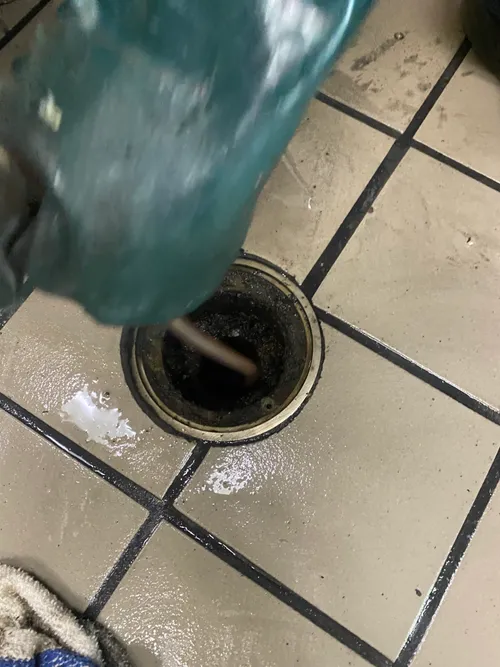
Royal Pumping and Jetting
Los Angeles, CA
Royal Pumping and Jetting provides a comprehensive range of pumping and jetting services for restaurants and hospitality businesses in Los Angeles, CA. Their offerings include grease trap and interceptor cleaning, waste kitchen oil removal, hydro jetting, grease trap repair, high-pressure washing, and complete plumbing services. The company has been serving Los Angeles, Orange County, and San Bernardino since 2008, with a team of certified experts skilled in handling various pump and blast operations. They also offer 24/7 availability to meet urgent service needs.

CR & R Inc
12739 Lakeland Rd, Santa Fe Springs, CA 90670
CR & R Inc provides food waste and composting services for restaurants in La Mirada, CA. The company focuses on sustainable solid waste and recycling solutions, operating advanced materials processing centers and using alternative fuel vehicles to reduce environmental impact. With over three decades of experience, CR & R Inc has developed a state-of-the-art anaerobic digester to process organic waste and produce renewable natural gas, supporting cleaner air and greener practices in the region.
Understanding SB 1383: What Whittier Restaurants Must Do
The cornerstone of organic waste recycling in Whittier is Senate Bill 1383. This statewide regulation sets ambitious targets to reduce the disposal of organic waste in landfills. For you as a restaurant owner or manager, compliance involves two key actions:
- Separate Collection of Organics: You must subscribe to and properly use a green cart (organics) service from your franchised waste hauler. This cart is for food scraps, food-soiled paper, and yard trimmings.
- Edible Food Recovery: Establishments must also arrange for the donation of surplus edible food to local recovery organizations, helping to address food insecurity while reducing waste 1.
Non-compliance can result in warnings and potential fines, making it crucial to understand and implement the required systems.
Setting Up Your Kitchen's Organics Recycling System
A successful food waste diversion program starts with an efficient back-of-house setup. The goal is to make it easy for staff to sort correctly, minimizing contamination-a major issue for processors.
Containers and Colors: State guidelines specify color-coded containers to standardize sorting statewide. In Whittier, you will typically use:
- Green Cart/Lid: For organics. This includes all food waste (prep scraps, spoiled food, coffee grounds), food-soiled paper (napkins, uncoated paper plates, pizza boxes), and compostable serviceware certified to meet specific standards.
- Blue Cart/Lid: For traditional recycling like cans, bottles, and clean cardboard.
- Gray/Black Cart/Lid: For landfill trash-everything that doesn't belong in the green or blue carts.
Kitchen Workflow: Place small, lidded bins with compostable liner bags at every prep station and near dishwashing areas. These "pails" make it convenient for staff to collect food scraps during service. These are then emptied into the larger outdoor green cart provided by your hauler. Clear, multilingual signage above bins is highly recommended for training and consistency.
What Goes In the Green Organics Cart?
Knowing what materials are accepted is vital for keeping the compost stream clean. Contamination with plastics can ruin entire loads of compost.
YES - Put These in the Green Cart:
- All food scraps and leftovers (fruits, vegetables, meat, bones, dairy, bread, coffee grounds/filters)
- Food-soiled paper products (paper napkins, towels, uncoated paper plates, pizza boxes)
- Compostable bags and serviceware that meet ASTM D6400 or D6868 standards (look for certification logos)
- Yard trimmings and floral waste
NO - Keep These Out of the Green Cart:
- Plastic bags (even if labeled "biodegradable")
- Styrofoam™ and other plastics
- Glass, metal, or aluminum foil
- Liquids, grease, or cooking oil
- Pet waste or disposable diapers
- Textiles or rubber
A Critical Note on Plastics: Plastic bags are a primary contaminant. Do not use them to line your kitchen pails. Only use bags certified as compostable, and confirm with your hauler that they accept them 2.
Partnering with Your Local Waste Hauler
In Whittier, commercial waste collection is typically handled by the city's franchised hauler. For most businesses, this is Waste Management (WM) 3. Your hauler is your primary partner for setting up compliant service.
How to Start Service: If you don't already have a green cart, you must contact your waste hauler to request one. They will help you determine the appropriate cart size (e.g., 32, 64, or 96-gallon) and pickup frequency based on your establishment's volume of organic waste 4.
Training and Resources: Reputable haulers provide training materials, posters, and guidelines to help you and your staff. Don't hesitate to ask for these resources. They may also offer waste audits to help you optimize your service levels, which can impact cost.
Scheduling and Logistics: Pickup schedules for your green cart will be arranged with your hauler. Many restaurants require more frequent organics pickups than trash due to the volume and odor potential of food waste. Coordinating the placement of carts for easy access for both your staff and the collection crew is an important logistical step.
Find the perfect composting & food waste companies for your needs
Get personalized recommendations and expert advice
The Critical Role of Edible Food Recovery
SB 1383 recognizes that preventing waste is even better than recycling it. The law requires certain commercial food generators, including restaurants, to recover surplus edible food for human consumption 5. This involves:
- Identifying Surplus: Train staff to identify whole, untouched, or prepared food that is still safe to eat but will not be sold or served.
- Partnering with a Recovery Organization: Establish a relationship with a local food bank, rescue program, or non-profit. Organizations like the Los Angeles Regional Food Bank can help connect you with local partners.
- Creating a Safe Handling Protocol: Ensure food is handled, stored, and transferred safely, following health guidelines, to maintain its quality for donation.
This component of the law turns a waste stream into a community resource, providing meals for those in need.
Analyzing Costs and Potential Savings
Implementing organics recycling does affect your waste management costs, but the structure is designed to incentivize diversion from the landfill. Your commercial waste bill is generally based on a combination of factors:
- Container Size: The volume (in gallons) of your trash, recycling, and organics carts.
- Service Frequency: How often each stream is picked up (e.g., daily, weekly).
- Tiered Pricing: Landfill (trash) disposal is typically the most expensive service. Recycling and organics processing often have lower per-container fees 6.
By effectively sorting your waste, you may be able to downsize your landfill trash cart or reduce its pickup frequency, which can lead to significant savings that offset the cost of the new green cart service. A waste audit with your hauler can help identify these opportunities.
Building a Culture of Sustainability in Your Restaurant
Beyond compliance, embracing organics recycling can become a point of pride and a marketing asset. Customers increasingly support businesses with strong environmental practices.
- Staff Training: Make training ongoing. Incorporate waste sorting into onboarding and hold brief refreshers. Empower a "green champion" on your team.
- Customer Communication: Let your patrons know you compost! Simple table tents or menu notes explaining your efforts can enhance your brand.
- Continuous Improvement: Track your waste volumes. Set goals to reduce overall waste generation and increase diversion rates over time. Review what commonly ends up in the wrong bin and retrain as needed.
Successfully managing your composting and food waste program demonstrates leadership, fulfills a legal obligation, and makes a tangible positive impact on the local environment in Whittier.
Frequently asked questions
Sources
Footnotes
-
Statewide Mandatory Organic Waste Collection - CalRecycle - CA.gov - https://calrecycle.ca.gov/organics/slcp/collection/ ↩
-
Collection Systems, Container Colors, and Labeling - CalRecycle - CA.gov - https://calrecycle.ca.gov/organics/slcp/collection/systems/ ↩
-
SOLID WASTE INFORMATION MANAGEMENT SYSTEM - https://pw.lacounty.gov/epd/swims/Residents/Franchise.aspx?id=K2w5M1FYaGFwdmdWbXVWeWZjWjNJUT09&name=N2E3dnZSSnNSZlBxUkM2QUkrNVpWdWE0MXJjbzU0bElCbGpYL3hYMll5ND0= ↩
-
Containers | Whittier, CA - https://www.cityofwhittier.org/how-do-i/request/trash-bin-or-roll-off-container ↩
-
Food Waste Recycling | Los Angeles County Sanitation Districts - https://www.lacsd.org/services/solid-waste-programs/food-waste-recycling ↩
-
SB 1383 - New Statewide Mandatory Organic Waste Collection Regulation - https://www.wm.com/content/dam/wm/assets/sb1383/preparing-for-california-sb1383.pdf ↩