Find the Best Composting & Food Waste Companies for Your Business
No obligation • Fast responses • Nationwide coverage

Why you can trust Restaurant Waste Disposal
Restaurant Waste Disposal is a leading U.S. resource for comparing restaurant composting, food-waste recycling, grease trap cleaning, and used cooking oil collection services. Our editorial team researches providers, checks credentials, and organizes unbiased information so operators can make informed decisions. Companies cannot pay to change ratings or placement.
Search providers near you
Best Composting & Food Waste Companies in California Ranked
For California restaurants, managing food scraps and organic waste is no longer just an environmental best practice-it's a legal requirement. State laws like SB 1383 have established a comprehensive framework mandating that businesses, including food service establishments, separate and recycle their organic material. This shift is designed to combat climate change by diverting food waste from landfills, where it decomposes and releases methane, a potent greenhouse gas. Navigating these regulations involves understanding mandatory collection services, food donation protocols, and customer-facing bin requirements to avoid potential fines and contribute to the state's ambitious climate goals.
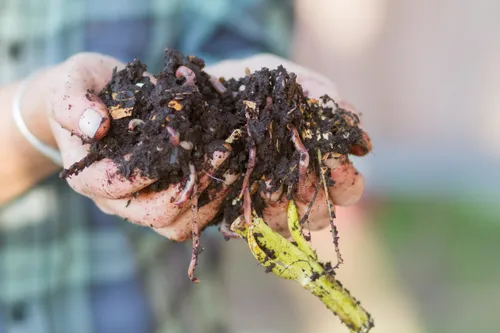
Food2Soil - San Diego's Neighborhood Composter
San Diego, CA
Food2Soil - San Diego's Neighborhood Composter was a local composting service focused on food waste from restaurants and residents in San Diego, CA. The business provided a community-based solution for composting food scraps, supporting waste recovery and promoting a circular economy. After 10 years of operation, Food2Soil closed its services on March 31, 2025.
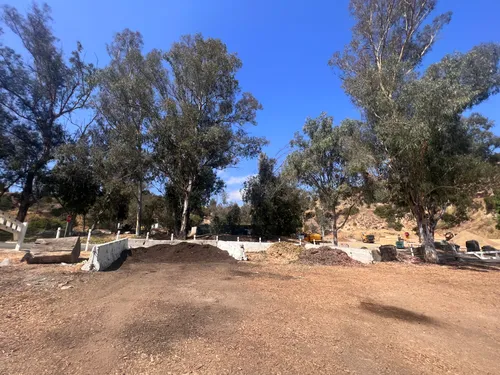
Griffith Park Composting Facility
5400 Griffith Park Dr, Los Angeles, CA 90027
Griffith Park Composting Facility provides food waste composting services primarily for restaurants in Glendale, CA. The facility specializes in processing organic waste to support sustainable waste management practices in the area.
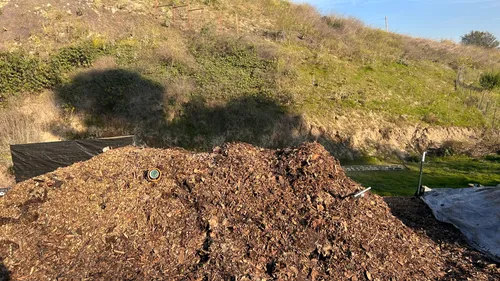
TAWA compost green waste food recycling
4002 Drysdale Ave, Los Angeles, CA 90032
TAWA Compost Green Waste Food Recycling is based in Los Angeles, CA, providing food waste and composting services primarily for restaurants and commercial clients. They offer drop-off options for commercial food waste, green waste, and residential waste, as well as onsite waste management and emergency food waste pickup available 24/7. Founded during the COVID-19 pandemic, TAWA Compost began as a food rescue initiative to address food insecurity and now focuses on turning inedible food into nutrient-rich compost. They also conduct workshops to educate the community on reducing waste and maximizing resources.
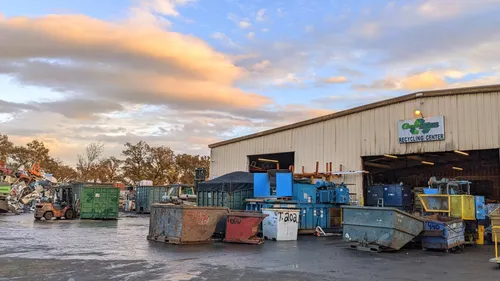
Northern Recycling, LLC
44692 Co Rd 28H, Woodland, CA 95776
Northern Recycling, LLC provides food waste and composting services for restaurants and other organic materials in Davis, CA. Their facility, located at the Yolo County Central Landfill, uses innovative technology to optimize composting, reduce air emissions, and produce high-quality compost products such as organic compost, recycled gypsum, shredded wood chips, and topsoil. The company partners with Yolo County to manage green waste, food waste, and construction and demolition materials, aiming to divert waste from landfills and support local communities through sustainable resource creation.
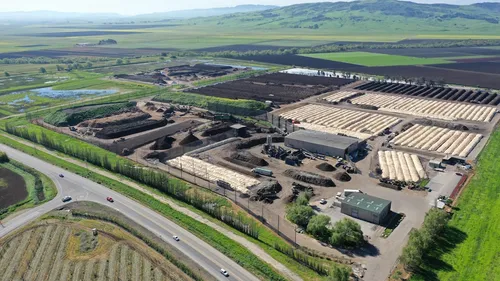
GreenWaste Z-Best Composting Facility
980 CA-25, Gilroy, CA 95020
GreenWaste Z-Best Composting Facility in Gilroy, CA processes food scraps and yard trimmings from residential and commercial customers across Northern California. The facility transforms these materials into OMRI-certified compost through a monitored process involving shredding, aeration, and curing over several months. This compost is used locally for regenerative agriculture and landscaping. GreenWaste Z-Best is recognized for producing a certified compost blend derived from mixed waste and conducts regular laboratory testing to ensure quality and safety.
Understanding California's Organic Waste Laws
California's approach to organic waste is built on a foundation of progressive legislation. The key laws every restaurant operator must understand are SB 1383 and AB 1826, which work in tandem.
- SB 1383 (Short-Lived Climate Pollutants Reduction): Enacted in 2016 and fully implemented in 2022, this landmark law aims to reduce statewide organic waste disposal by 75% by 2025. For restaurants, it essentially creates a landfill ban for organic materials. The law requires "Tier One" and "Tier Two" commercial generators, which include most restaurants producing a certain volume of waste, to subscribe to and participate in organic waste collection service. 1 2 3
- AB 1826 (Mandatory Commercial Organics Recycling): This law laid the groundwork by requiring businesses, including multi-family dwellings, generating a specified amount of organic waste to arrange for recycling services. It defines the thresholds for who must comply, typically based on the volume of total solid waste generated per week. 4 5
Together, these regulations mean that if your restaurant generates two or more cubic yards of total solid waste (trash, recycling, and organics combined) per week, you are legally required to separate food scraps, food-soiled paper, and other compostables from your trash stream.
What Must Be Separated for Organics Recycling?
Knowing what goes into the organics bin is critical for compliance and preventing contamination, which can lead to rejected loads and penalties. The goal is to capture material that can be composted or anaerobically digested.
Items that typically GO IN the organics bin:
- All food scraps: fruits, vegetables, meat, bones, dairy, bread, grains, and coffee grounds.
- Food-soiled paper: napkins, paper towels, uncoated paper plates, pizza boxes, and coffee filters.
- Yard trimmings and floral waste.
Items that must STAY OUT (common contaminants):
- Plastic bags of any kind, including those labeled "biodegradable" or "compostable." These do not break down properly in California's large-scale composting facilities and ruin the final compost product.
- Glass, metal, plastic utensils, and packaging.
- Waxed cardboard (like some produce boxes) or plastic-lined paper.
- Liquids and cooking oils. 6
Proper employee training on these sorting guidelines is essential. Contamination can result in your hauler refusing to collect the bin or issuing fines, undermining both your compliance efforts and the environmental purpose of the program. 7
The Food Donation Mandate
Beyond composting, SB 1383 addresses food insecurity by requiring food donation. "Tier One" commercial edible food generators, which include large restaurants, must donate their surplus edible food to food recovery organizations. This means food that is unsold but still safe for consumption-like prepared meals at the end of the day or surplus ingredients-should be routed to local food banks, shelters, or recovery services instead of the compost bin.
Establishing a relationship with a food recovery partner is a key step in compliance. Many jurisdictions provide lists of approved organizations. This not only fulfills a legal requirement but also builds positive community relations and provides a potential tax benefit.
Customer-Facing Bin Requirements (AB 827)
For restaurants with on-site dining, another layer of regulation comes into play. AB 827 requires that food service businesses provide customers with easily accessible recycling and organics containers wherever trash bins are located for items disposed of on the premises. The bins must be clearly labeled for trash, recycling, and organics. 8
The exception is for full-service restaurants where customers typically leave waste on the table for staff to clear. In those cases, the sorting responsibility falls to employees in the back-of-house. However, if you have a customer-facing trash can (e.g., near a counter, in a waiting area, or next to a restroom), you must provide the trio of bins. 9
Find the perfect composting & food waste companies for your needs
Get personalized recommendations and expert advice
Costs, Services, and Finding a Provider
Implementing an organics recycling program involves partnering with a waste hauler or specialized organics collection service. Costs are not state-mandated and vary significantly by location, hauler, frequency of pickup, and volume of waste.
- Typical Cost Structure: You will typically see an additional line item on your waste bill for organics collection. This can often be a modest monthly fee for a dedicated bin (e.g., $10 to $30+), plus a per-collection or per-ton charge. 10 11
- Potential for Savings: A significant benefit of separating organics is the potential to downsize your trash dumpster or reduce trash pickup frequency, as up to half of a restaurant's waste stream can be compostable. The savings on trash service can partially or fully offset the new cost of organics collection.
- Finding a Service Provider: Restaurants must contract with an authorized hauler. Your city or county's environmental services or public works department is the best starting point, as they often have lists of permitted haulers that service your area. Services can range from traditional waste management companies to smaller, specialized compost haulers.
Compliance and Avoiding Penalties
Non-compliance with SB 1383 and related laws can result in enforcement actions from your local jurisdiction. Penalties can include notices of violation, fines, and even administrative civil penalties. The most common triggers for penalties are:
- Failure to Subscribe: Not having an organics collection service in place when required by law.
- High Contamination: Repeatedly placing prohibited items in the organics bin, which compromises the recycling stream.
- Lack of Proper Bins: Not providing the required customer-facing recycling and organics containers.
- No Food Donation Agreement: For larger generators, failing to establish a contract or arrangement with a food recovery service. 12
Proactive management is the best defense. This includes training all staff, clearly labeling all bins, conducting periodic waste audits, and maintaining records of your hauler contract and food donation agreements.
The Environmental Impact
Participating in California's organics recycling program is a direct contribution to the state's climate strategy. When food waste decomposes in a landfill without oxygen, it generates methane, which has over 25 times the global warming potential of carbon dioxide over a 100-year period. By diverting this material to composting or anaerobic digestion facilities, these emissions are drastically reduced. The resulting compost is then used to enrich soil, support agriculture, and improve water retention, closing the loop in a sustainable cycle.
For the restaurant industry, embracing these requirements is not just about avoiding fines-it's about aligning with consumer values, demonstrating corporate responsibility, and playing a vital role in building a more resilient and sustainable food system for California.
Frequently asked questions
Sources
Footnotes
-
Mandatory Commercial Organics Recycling - CalRecycle Home Page - https://calrecycle.ca.gov/recycle/commercial/organics/ ↩
-
Composting Organics Is Now The Law for Everyone in ... - https://www.recyclesmart.org/sb-1383 ↩
-
What is California's SB 1383? - Waste Management - https://www.wm.com/us/en/support/faqs/products-and-services/what-is-california-sb-1383 ↩
-
AB 1826 - Commercial & Multi-Family Organics Recycling - https://www.placentia.org/688/AB-1826---Commercial-Organics-Recycling ↩
-
Commercial and Organics Recycling | Diamond Bar, CA - https://www.diamondbarca.gov/1057/Commercial-and-Organics-Recycling ↩
-
California Compost Law 2022 - https://www.californiacompostlaw.com/ ↩
-
California SB 1383 - OC Waste & Recycling - https://oclandfills.com/sites/ocwr/files/2021-12/WM%20Residential%20Service%20Guide%20Dec.%202021.pdf ↩
-
California Food Waste Policy - https://policyfinder.refed.org/california/ ↩
-
Business Compliance | OC Waste & Recycling - https://oclandfills.com/businesscompliance ↩
-
Business Recycling and Organics Requirements - https://www.cccrecycle.org/199/Business-Recycling-and-Organics-Requirem ↩
-
Food Waste Composting At San Diego Hotels - https://www.biocycle.net/food-waste-composting-at-san-diego-hotels/ ↩
-
Commercial Organics Recycling | Diamond Bar, CA - https://www.diamondbarca.gov/1057/Commercial-Organics-Recycling ↩