Find the Best Composting & Food Waste Companies for Your Business
No obligation • Fast responses • Nationwide coverage

Why you can trust Restaurant Waste Disposal
Restaurant Waste Disposal is a leading U.S. resource for comparing restaurant composting, food-waste recycling, grease trap cleaning, and used cooking oil collection services. Our editorial team researches providers, checks credentials, and organizes unbiased information so operators can make informed decisions. Companies cannot pay to change ratings or placement.
Search providers near you
Top Composting & Food Waste Companies in Los Angeles, California Ranked
For restaurant owners and food service operators in Los Angeles, managing organic waste is no longer just an environmental consideration-it's a legal requirement. California's landmark SB 1383 mandates that all businesses, including restaurants, arrange for the recycling of their food scraps and other compostable materials. This organics recycling ordinance is designed to drastically reduce the amount of waste sent to landfills, cutting greenhouse gas emissions and transforming food waste into beneficial compost or renewable energy. Navigating the rules for proper bin placement, acceptable materials, and hauler schedules is essential for compliance and avoiding potential fines. This guide provides a clear overview of what Los Angeles food service businesses need to know to implement a successful food waste diversion program.
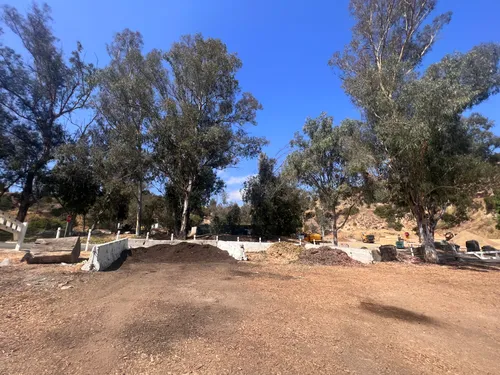
Griffith Park Composting Facility
5400 Griffith Park Dr, Los Angeles, CA 90027
Griffith Park Composting Facility provides food waste composting services primarily for restaurants in Glendale, CA. The facility specializes in processing organic waste to support sustainable waste management practices in the area.
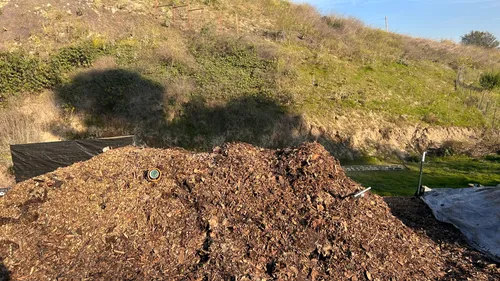
TAWA compost green waste food recycling
4002 Drysdale Ave, Los Angeles, CA 90032
TAWA Compost Green Waste Food Recycling is based in Los Angeles, CA, providing food waste and composting services primarily for restaurants and commercial clients. They offer drop-off options for commercial food waste, green waste, and residential waste, as well as onsite waste management and emergency food waste pickup available 24/7. Founded during the COVID-19 pandemic, TAWA Compost began as a food rescue initiative to address food insecurity and now focuses on turning inedible food into nutrient-rich compost. They also conduct workshops to educate the community on reducing waste and maximizing resources.
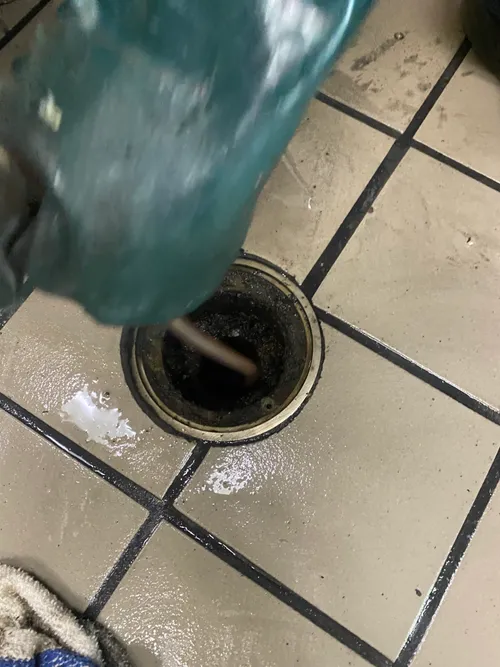
Royal Pumping and Jetting
Los Angeles, CA
Royal Pumping and Jetting provides a comprehensive range of pumping and jetting services for restaurants and hospitality businesses in Los Angeles, CA. Their offerings include grease trap and interceptor cleaning, waste kitchen oil removal, hydro jetting, grease trap repair, high-pressure washing, and complete plumbing services. The company has been serving Los Angeles, Orange County, and San Bernardino since 2008, with a team of certified experts skilled in handling various pump and blast operations. They also offer 24/7 availability to meet urgent service needs.

CR & R Inc
12739 Lakeland Rd, Santa Fe Springs, CA 90670
CR & R Inc provides food waste and composting services for restaurants in La Mirada, CA. The company focuses on sustainable solid waste and recycling solutions, operating advanced materials processing centers and using alternative fuel vehicles to reduce environmental impact. With over three decades of experience, CR & R Inc has developed a state-of-the-art anaerobic digester to process organic waste and produce renewable natural gas, supporting cleaner air and greener practices in the region.
Understanding SB 1383: The State Mandate for Organics Recycling
The core driver behind Los Angeles's composting regulations is California Senate Bill 1383. This statewide law, which took full effect in 2024, aims to reduce organic waste disposal by 75% from 2014 levels by 2025 1. For restaurants, this translates into a mandatory organics recycling program. The law requires any business that generates two or more cubic yards of commercial solid waste per week to subscribe to an organics recycling service 2 3. Given the volume of food scraps, packaging, and other waste produced by even a modestly busy restaurant, virtually all food service establishments in Los Angeles fall under this requirement. The goal is to separate food waste and other compostables from the general trash stream, ensuring they are processed at anaerobic digestion facilities or commercial composting operations instead of landfills.
Who Must Comply and What Are the Basic Requirements?
Compliance with the organics recycling mandate is not optional for eligible Los Angeles businesses. The rules are comprehensive and cover several operational aspects:
- Eligible Businesses: The mandate applies to all commercial entities, including restaurants, cafes, caterers, and hotels, that generate at least two cubic yards of combined solid waste (trash, recycling, and organics) per week.
- Service Arrangement: Businesses must arrange for organic waste recycling services through their franchised waste hauler. You cannot simply throw food scraps in the trash.
- Customer-Facing Bins: Restaurants must provide labeled recycling and organics containers in all areas where customers dispose of their own items, such as dining rooms, patios, and take-out counters (restrooms are typically exempt). This makes proper waste sorting a collaborative effort between staff and patrons.
- Staff Training: Employee education is a critical component. Businesses must provide annual training to employees on how to properly sort organic waste, recyclables, and trash 4. Well-trained staff are the first line of defense against contamination, which can lead to service issues.
Setting Up Your System: Containers, Haulers, and Schedules
Implementing a compliant program involves coordinating containers, services, and pickup logistics.
- Container Colors and Labeling: Standardization is key. State guidelines specify colors and labels to reduce confusion: green containers are for organics, while gray containers are for mixed waste that is not recyclable or compostable 5. Blue containers are typically for traditional recyclables like cans and bottles. All containers must have clear, graphic labels indicating what goes inside 5.
- Working with Your Hauler: Los Angeles County operates under an exclusive commercial franchise system. This means your restaurant's location determines which authorized hauler-such as Waste Management (WM) or CR&R-provides your waste and recycling services. You must contact your specific hauler to set up organics service, order the correct green bins, and establish your account.
- Pickup Schedules: Collection frequency is not one-size-fits-all. Your pickup schedule for organics will depend on your hauler, your location within the city or county, the size of your containers, and the volume of organic waste your restaurant generates 6. Some busy establishments may require daily pickups, while others might manage with weekly service.
Find the perfect composting & food waste companies for your needs
Get personalized recommendations and expert advice
What Goes In the Green Bin? A Guide to Acceptable Materials
Knowing what can and cannot be composted is crucial for a smooth-running program. Contamination-placing the wrong items in the green bin-is a major issue that can disrupt the composting process and lead to penalties.
YES - These items belong in your organics (green) bin:
- All food scraps: fruits, vegetables, meat, bones, dairy, bread, and coffee grounds.
- Food-soiled paper: napkins, paper towels, pizza boxes, coffee filters, and uncoated paper plates.
- Yard trimmings and floral waste.
NO - These are common contaminants and must stay OUT of the green bin:
- Compostable or Biodegradable Plastics: This is a critical rule. Items labeled as compostable, including bags, cups, utensils, and containers, are NOT accepted in Los Angeles County's organics processing system. They do not break down correctly in local facilities.
- Plastic bags of any kind.
- Waxed cardboard, milk cartons, and juice boxes.
- Glass, metal, Styrofoam, and traditional plastic packaging 7.
Enforcement, Contamination, and Potential Costs
Understanding the consequences of non-compliance and the associated costs helps in planning and prioritization.
- Enforcement and Fines: Initial enforcement focuses on education and outreach to help businesses come into compliance. However, jurisdictions can ultimately issue fines for violations. Penalties can start at $100 per day for non-compliance and can increase for repeated offenses 8 9. Haulers and city inspectors may check bins for contamination.
- Managing Contamination: Preventing contamination requires ongoing staff training and clear signage. If a hauler finds a bin heavily contaminated, they may leave a notice or refuse to collect it until the issue is corrected, which can create operational headaches for a restaurant 10.
- Understanding Costs: The cost for organics recycling service varies significantly. It depends on your restaurant's location, your specific hauler, the size and number of green bins you need, and how often they are emptied 11. Pricing is often bundled with your trash and recycling services. While costs can range from tens to hundreds of dollars per month, many businesses find that by diverting organics, they can downsize their more expensive trash service, potentially offsetting some of the new cost 11. The only way to get an accurate price is to contact your franchised hauler for a quote.
Resources for Los Angeles Restaurants
You don't have to figure this out alone. Los Angeles provides specific resources to help businesses comply:
- Fight Food Waste LA: The primary local resource is FightFoodWasteLA.com. This website offers detailed guides, compliance checklists, printable bin labels, and a tool to find your exclusive franchised hauler based on your business address 12.
- Your Waste Hauler: Your first point of contact for service setup, bin delivery, and specific pricing should be your assigned waste hauler (e.g., Waste Management, CR&R). They can provide the containers and schedule that fit your restaurant's operations.
- CalRecycle: The state agency CalRecycle offers extensive guidance on its website, including the full text of regulations and answers to common questions 13.
Frequently asked questions
Sources
Footnotes
-
Statewide Mandatory Organic Waste Collection - CalRecycle - https://calrecycle.ca.gov/organics/slcp/collection/ ↩
-
Exclusive Commercial Franchise & Organic Waste Collection ... - https://pw.lacounty.gov/epd/swims/Businesses/CommercialFranchiseSystem.aspx ↩
-
Mandatory Commercial Organics Recycling - CalRecycle Home Page - https://calrecycle.ca.gov/recycle/commercial/organics/ ↩
-
Businesses Requirements | Fight Food Waste - https://www.fightfoodwastela.com/how-to-comply-requirements-for-businesses/ ↩
-
Collection Systems, Container Colors, and Labeling - CalRecycle - https://calrecycle.ca.gov/organics/slcp/collection/systems/ ↩ ↩2
-
Cover Page - https://d2kbkoa27fdvtw.cloudfront.net/cityofwildomar/6d3bb9fbdb181632cc59cc154bd4d69e0.pdf ↩
-
Food Waste Recycling | Los Angeles County Sanitation Districts - https://www.lacsd.org/services/solid-waste-programs/food-waste-recycling ↩
-
What Does LA County's New Waste Reduction Ordinance Mean for ... - https://www.directpackinc.com/la-county-waste-reduction-ordinance-for-food-services/ ↩
-
California Compost Law 2022 - https://www.californiacompostlaw.com/ ↩
-
2025 recycLA Welcome Packet Summary ORG Ordinance - WM - https://www.wm.com/content/dam/wm/local-pages/california/los-angeles/documents/welcome-packets/2025recycLAWelcomePacketSummaryORGOrdinance.pdf ↩
-
LA City Clerk - City of Los Angeles - https://cityclerk.lacity.org/onlinedocs/2023/23-0600-S9_rpt_bos_3-21-25.pdf ↩ ↩2
-
General 6 - Foodprint Group - https://www.foodprintgroup.com/hauler-analysis ↩
-
Frequently Asked Questions - CalRecycle Home Page - https://calrecycle.ca.gov/recycle/commercial/organics/faq/ ↩