
Find the Best Composting & Food Waste Companies for Your Business
No obligation • Fast responses • Nationwide coverage

Why you can trust Restaurant Waste Disposal
Restaurant Waste Disposal is a leading U.S. resource for comparing restaurant composting, food-waste recycling, grease trap cleaning, and used cooking oil collection services. Our editorial team researches providers, checks credentials, and organizes unbiased information so operators can make informed decisions. Companies cannot pay to change ratings or placement.
Search providers near you
Top Composting & Food Waste Companies in Torrance, California Ranked
For restaurants and food service businesses in Torrance, managing organic waste is no longer just an environmental consideration-it's a legal requirement. California's SB 1383 mandates that nearly all commercial entities, including every restaurant, grocery store, and food distributor, separate their food scraps and other compostable materials for recycling. This landmark law aims to drastically reduce greenhouse gas emissions from landfills by diverting organic waste to beneficial uses like compost and renewable energy. For Torrance business owners, compliance involves understanding specific local rules, setting up a proper three-bin sorting system, and partnering with a certified hauler. Successfully navigating these organics recycling regulations not only avoids potential penalties but can also streamline operations, reduce overall waste costs, and enhance your establishment's sustainability profile.
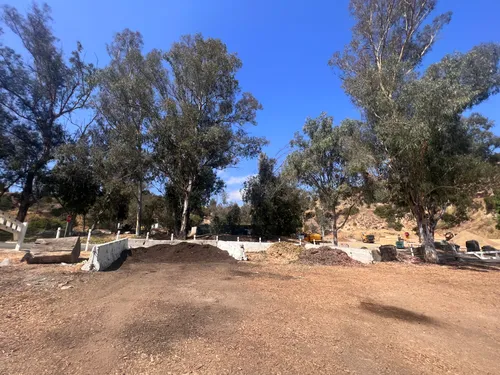
Griffith Park Composting Facility
5400 Griffith Park Dr, Los Angeles, CA 90027
Griffith Park Composting Facility provides food waste composting services primarily for restaurants in Glendale, CA. The facility specializes in processing organic waste to support sustainable waste management practices in the area.
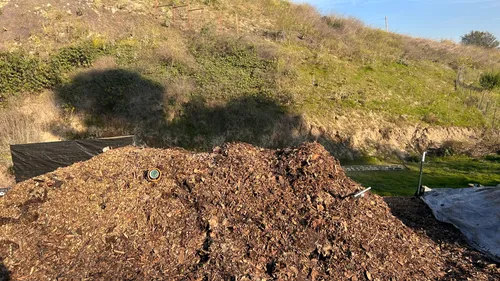
TAWA compost green waste food recycling
4002 Drysdale Ave, Los Angeles, CA 90032
TAWA Compost Green Waste Food Recycling is based in Los Angeles, CA, providing food waste and composting services primarily for restaurants and commercial clients. They offer drop-off options for commercial food waste, green waste, and residential waste, as well as onsite waste management and emergency food waste pickup available 24/7. Founded during the COVID-19 pandemic, TAWA Compost began as a food rescue initiative to address food insecurity and now focuses on turning inedible food into nutrient-rich compost. They also conduct workshops to educate the community on reducing waste and maximizing resources.
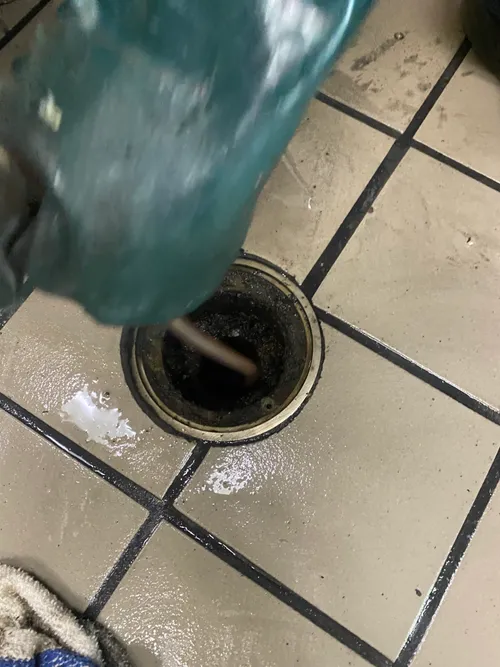
Royal Pumping and Jetting
Los Angeles, CA
Royal Pumping and Jetting provides a comprehensive range of pumping and jetting services for restaurants and hospitality businesses in Los Angeles, CA. Their offerings include grease trap and interceptor cleaning, waste kitchen oil removal, hydro jetting, grease trap repair, high-pressure washing, and complete plumbing services. The company has been serving Los Angeles, Orange County, and San Bernardino since 2008, with a team of certified experts skilled in handling various pump and blast operations. They also offer 24/7 availability to meet urgent service needs.

CR & R Inc
12739 Lakeland Rd, Santa Fe Springs, CA 90670
CR & R Inc provides food waste and composting services for restaurants in La Mirada, CA. The company focuses on sustainable solid waste and recycling solutions, operating advanced materials processing centers and using alternative fuel vehicles to reduce environmental impact. With over three decades of experience, CR & R Inc has developed a state-of-the-art anaerobic digester to process organic waste and produce renewable natural gas, supporting cleaner air and greener practices in the region.
Understanding SB 1383: The Mandate for Torrance Businesses
The foundation of Torrance's commercial food waste recycling program is Senate Bill 1383. This statewide regulation sets ambitious targets to reduce the disposal of organic waste in landfills by 75% by 2025. For a business, this translates into a mandatory obligation to subscribe to and properly use organics recycling services 1. The law is designed to capture materials like food scraps, food-soiled paper, and yard trimmings, which decompose in landfills and produce methane, a potent greenhouse gas.
The mandate applies broadly. If your Torrance business generates any amount of trash, you are almost certainly required to participate in organics recycling and traditional recycling programs. There are no blanket exemptions for small restaurants or cafes. Furthermore, the law specifically identifies certain businesses as "Commercial Edible Food Generators." This category includes restaurants with a certain facility size, grocery stores, and food distributors. These entities have an additional critical responsibility: they must establish programs to donate maximum amounts of their edible food to recovery organizations and maintain detailed records of these donations 2. This "food recovery" component tackles both waste and food insecurity simultaneously.
Setting Up Your Commercial Organics Recycling System
Compliance starts with setting up the correct infrastructure. The City of Torrance and the state use a universal, color-coded bin system to simplify sorting for employees and customers.
- Green Bins (Organics): This container is for all compostable materials. This includes food scraps, food-soiled paper like napkins and uncoated paper plates, and yard waste.
- Blue Bins (Recycling): This container is for clean, dry recyclables like bottles, cans, cardboard, and paper.
- Black or Grey Bins (Trash): This container is for everything else that cannot be composted or recycled-primarily plastics that are not containers, Styrofoam, and other landfill-bound materials.
Your business must provide these containers in all areas where trash containers are present for customers or employees, such as dining areas, kitchens, and break rooms (restrooms are typically the only exception) 3. The bins you place outside for collection by your hauler must follow the same color scheme. It is your responsibility to contact your private waste hauler to order the appropriate green organics container and establish a pickup schedule that matches your volume of food waste.
Find the perfect composting & food waste companies for your needs
Get personalized recommendations and expert advice
What Goes In the Green Organics Bin?
Knowing exactly what materials are accepted is key to preventing contamination and ensuring your food waste is successfully composted. Torrance's commercial organics recycling program accepts a wide range of materials, often broader than typical backyard compost piles.
Accepted Food Scraps:
- All leftover food: fruits, vegetables, grains, bread, pasta.
- Dairy products, cheese, and eggshells.
- Meat, poultry, bones, and seafood (including shells).
- Coffee grounds and filters, tea bags.
- Spoiled or expired food (remove non-compostable packaging).
Accepted Food-Soiled Paper:
- Paper napkins, towels, and plates (uncoated).
- Paper take-out containers and pizza boxes (grease-stained is okay).
- Paper bags and unlined cardboard food containers.
Other Accepted Organics:
- Yard trimmings like grass clippings, leaves, and small branches.
- Cut flowers and houseplants.
A key point for commercial kitchens is that items like meat, bones, and bioplastics labeled as "compostable" are generally accepted in the city's commercial organics program, though it's always wise to confirm specifics with your hauler 4 5.
Preventing Contamination: Keeping Your Stream Clean
Contamination occurs when non-compostable materials are placed in the green organics bin. This can disrupt the composting process and lead to entire loads being rejected. Common contaminants include plastic bags, utensils, Styrofoam, glass, metals, and liquids like cooking oil or soup.
Businesses are required to take "reasonable steps" to prevent contamination. This includes:
- Education: Training all employees-from kitchen staff to bussers-on the sorting guidelines.
- Signage: Placing clear, simple signs above or on all internal bins.
- Inspection: Periodically checking the contents of your green organics container before pickup to ensure it's free of prohibited items.
- Communication: Informing customers through table tents or bin labels if they are expected to sort their waste in dining areas.
By minimizing contamination, you ensure your organic waste is transformed into valuable compost rather than being diverted to a landfill, which defeats the purpose of the program and could lead to service issues with your hauler.
Costs and Working with Your Hauler
In Torrance, commercial waste collection is handled by private franchised haulers, such as Waste Resources or Waste Management. You must contact your specific hauler to establish organics recycling service. The cost for organic waste recycling is typically tied to your overall waste service.
Pricing is often based on a container size and frequency model. Your monthly rate will generally depend on the size of your trash container (e.g., 1-yard, 2-yard, 4-yard). By effectively sorting organics and recyclables out of your trash stream, you may be able to downsize your trash container or reduce pickup frequency, which can offset the cost of adding the organics service 6 7. Larger volume generators, like big restaurants or food processors, may have different rate structures. The most direct way to get accurate pricing is to contact your waste hauler for a quote based on your specific volume, service level, and container needs 8 7.
Building a Culture of Compliance
Successful organics recycling goes beyond just putting out the right bins. It requires building a culture of sustainability within your business. Start with a clear plan: designate a sustainability coordinator, hold training sessions for all shifts, and make the bins easily accessible. Engage your staff by explaining the "why" behind the law-reducing climate impact and creating compost for local farms. Monitor your progress by tracking how full each container gets; this data can help you optimize service levels and costs. Finally, celebrate your success! Promoting your business's commitment to reducing food waste can resonate positively with the environmentally conscious community in Torrance.
Frequently asked questions
Sources
Footnotes
-
Statewide Mandatory Organic Waste Collection - CalRecycle - https://calrecycle.ca.gov/organics/slcp/collection/ ↩
-
Organic Waste Recycling - SB 1383 - https://torrancerecycles.org/organic-waste-recycling-sb-1383/ ↩
-
SB1383 Business Requirements - Public Works - City of Burbank - https://www.burbankca.gov/web/public-works/sb1383-business-requirements ↩
-
Composting - Torrance Recycles - https://torrancerecycles.org/residents/composting/ ↩
-
Food Scraps - Torrance Recycles - https://torrancerecycles.org/guide/food-scraps/ ↩
-
Commercial and Multi-Family Residential Trash & Recycling - https://www.torranceca.gov/our-city/public-works/business-multifamily-recycling ↩
-
Commercial Organics Recycling Law (AB 1826) - https://torrancerecycles.org/business-schools/commercial-organics-recycling-law-ab-1826/ ↩ ↩2
-
Torrance SB1383 Compliance Packet - 2024 - Waste Resources - https://wasteresources.com/wp-content/uploads/Torrance-SB1383-Compliance-Packet-2024.pdf ↩