Find the Best Composting & Food Waste Companies for Your Business
No obligation • Fast responses • Nationwide coverage

Why you can trust Restaurant Waste Disposal
Restaurant Waste Disposal is a leading U.S. resource for comparing restaurant composting, food-waste recycling, grease trap cleaning, and used cooking oil collection services. Our editorial team researches providers, checks credentials, and organizes unbiased information so operators can make informed decisions. Companies cannot pay to change ratings or placement.
Search providers near you
Top Composting & Food Waste Companies in Sunnyvale, California Ranked
For restaurants and food service businesses in Sunnyvale, managing organic waste is no longer just an environmental consideration-it's a state-mandated requirement. California's SB 1383 regulations have transformed food scrap recycling from a voluntary practice into a core component of commercial operations. The City of Sunnyvale's FoodCycle program provides the framework for compliance, requiring businesses to separate food scraps and yard waste from their regular trash stream. This initiative is designed to divert organic material from landfills, where it would produce methane, a potent greenhouse gas, and instead turn it into beneficial compost or renewable energy. Navigating these new rules, from container selection to staff training, is essential for both legal compliance and contributing to the city's sustainability goals.
Successful participation hinges on understanding exactly what materials belong in the organic waste stream. The program accepts all food scraps, including items that were once problematic for backyard composters, such as meat, bones, dairy products, and oily foods 1. Yard waste like leaves and grass clippings can also be included. However, contamination is a critical issue. Placing non-compostable items like plastic bags, utensils, napkins, or packaging in the food scraps bin can spoil an entire load 1. Clear, consistent signage at both front-of-house and back-of-house waste stations is crucial for guiding both staff and customers to dispose of materials correctly.
Understanding the SB 1383 Mandate for Sunnyvale Businesses
The driving force behind Sunnyvale's FoodCycle program is California Senate Bill 1383. This statewide law sets ambitious targets to reduce the disposal of organic waste in landfills by 75% by 2025 2. For restaurants, this translates into a legal obligation to subscribe to and properly use organic waste collection services. The mandate applies to all businesses that generate organic waste, with food service establishments being a primary focus due to the volume of scraps they produce. Non-compliance isn't just about missing a sustainability target; jurisdictions are empowered to issue notices, conduct inspections, and potentially levy administrative penalties to ensure adherence 2. Therefore, establishing a compliant food waste diversion system is a fundamental business operation in Sunnyvale.
Program Logistics: Collection, Containers, and Schedules
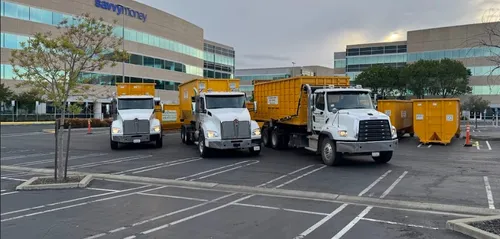
The City of Sunnyvale has contracted with Specialty Solid Waste & Recycling (Specialty) as the exclusive hauler for commercial organic waste collection. This means restaurants do not need to shop for a provider; the service is integrated into the city's waste management framework.
- Containers: Upon enrolling or as part of your existing service review, Specialty will provide appropriate containers. For many restaurants, this often means larger carts or bins to accommodate significant volumes of food prep waste, plate scrapings, and spoiled inventory. The city's municipal code requires containers to be clearly labeled for their specific purpose-trash, recyclables, or organic waste-to prevent cross-contamination 3.
- Collection Schedules: Pickup frequency is not one-size-fits-all. It is determined based on a restaurant's specific needs, including its size, customer volume, and menu type. To establish or adjust your service level-including bin size and collection frequency-you must contact the City of Sunnyvale's Utilities Department for an assessment 4.
- Collection Method: Specialty employs split-body collection trucks that can collect garbage and food scraps simultaneously in separate compartments, streamlining the process for businesses that set out multiple types of waste on the same day.
Building a Compliant and Effective On-Site System
Implementing a successful organic waste program requires more than just placing a new bin in the alley. It demands an intentional, internal system.
- Conduct a Waste Audit: Start by observing your current waste streams for a few days. Identify where and what kind of food waste is generated: prep scraps from the kitchen, coffee grounds from the service station, or leftovers from customer plates. This helps determine the number and placement of collection containers.
- Choose the Right Interior Bins: Place small, dedicated food scrap bins in key areas: at every prep station, near the dishwashing area, and potentially in wait stations for busing. Use bins with tight-fitting lids to control odors and pests. Lining these with certified compostable bags can make transfer to the larger outdoor cart cleaner and easier, but these bags must meet specific standards; plastic bags are strictly prohibited 5.
- Prioritize Staff Training and Signage: Your staff are the front line of contamination prevention. Conduct training sessions to explain why the program is important (beyond "it's the law") and exactly what goes in each bin. Use visual aids and multilingual signage directly above or on the bins themselves. Consistent reinforcement helps build proper habits.
Find the perfect composting & food waste companies for your needs
Get personalized recommendations and expert advice
Cost Considerations and Avoiding Fees
The cost for organic waste collection is integrated into your overall commercial waste bill from the city. It is not a separate, optional fee but a mandatory component of service due to SB 1383 6. The final amount varies based on your specific service level: the size of your organic waste container and how often it is emptied.
Beyond the base service fee, restaurants should be aware of potential additional charges related to contamination or improper handling. For instance, taking a load directly to the Sunnyvale SMaRT Station® with an uncovered truck can incur a fee (e.g., $15 for an uncovered load) 7. More significantly, consistent contamination of the organic waste stream with plastics or other prohibited materials can lead to service issues and potential penalties from the hauler or the city, as it jeopardizes the quality of the finished compost. Investing in proper training and bins upfront is the most effective strategy to avoid these avoidable costs.
The Environmental Impact of Your Restaurant's Efforts
When Sunnyvale's restaurants diligently separate their food scraps, they are directly contributing to a circular economy. The collected organic material is processed at regional facilities. One common destination is a commercial composting operation, where the scraps are transformed into a nutrient-rich soil amendment used in agriculture, landscaping, and erosion control. This closes the loop, returning nutrients to the earth rather than sealing them in a landfill.
Alternatively, some organic waste may be processed in anaerobic digesters. These systems break down the material in an oxygen-free environment to capture the methane biogas, which is then cleaned and used to generate renewable electricity or fuel 8. The remaining digestate can also be composted. By participating in FoodCycle, Sunnyvale restaurants are helping California reduce landfill methane emissions, create renewable energy, and conserve soil health.
Beyond Basics: Grease Management and Oil Recycling
While the FoodCycle program handles solid food scraps, a comprehensive restaurant waste management plan also addresses liquid fats, oils, and grease (FOG). Proper management of grease trap waste and used cooking oil is critical for preventing sewer blockages and is often regulated by municipal sewer codes. Many service providers that handle organic waste collection may also offer or can recommend affiliated services for:
- Grease Trap Cleaning: Regular pumping and cleaning of interceptors to maintain compliance and prevent backups.
- Used Cooking Oil Collection: This valuable waste stream can be collected and recycled into biodiesel, a renewable fuel. This is typically a free or revenue-generating service, as the oil has market value.
Integrating these services with your solid food scrap recycling creates a holistic waste diversion strategy, maximizing your restaurant's environmental and operational efficiency.
Frequently asked questions
Sources
Footnotes
-
FoodCycle: Food Scrap Recycling Program - Sunnyvale.ca.gov - https://www.sunnyvale.ca.gov/homes-streets-and-property/recycling-and-garbage/food-scrap-recycling ↩ ↩2
-
SB 1383 - New Statewide Mandatory Organic Waste Collection Regulation - https://www.wm.com/content/dam/wm/assets/sb1383/preparing-for-california-sb1383.pdf ↩ ↩2
-
City of Sunnyvale, CA SOLID WASTE, RECYCLABLE ... - https://ecode360.com/42712724 ↩
-
Commercial Garbage and Recycling - Sunnyvale.ca.gov - https://www.sunnyvale.ca.gov/business-and-development/your-business-center/commercial-garbage-and-recycling ↩
-
Sunnyvale residents turning food scraps into eco-friendly products - https://abc7news.com/post/compost-ca-laws-food-scraps-composting-2022/11403775/ ↩
-
FoodCycle FAQs - Specialty Solid Waste & Recycling - https://sswr.com/wp-content/uploads/2021/03/FoodCycle_FAQ.pdf ↩
-
SMaRT Station Recycling Center - Sunnyvale.ca.gov - https://www.sunnyvale.ca.gov/homes-streets-and-property/recycling-and-garbage/smart-station-recycling-center ↩
-
New Infrastructure Facilitates Food Waste Recycling - BioCycle - https://www.biocycle.net/new-infrastructure-facilitates-food-waste-recycling/ ↩