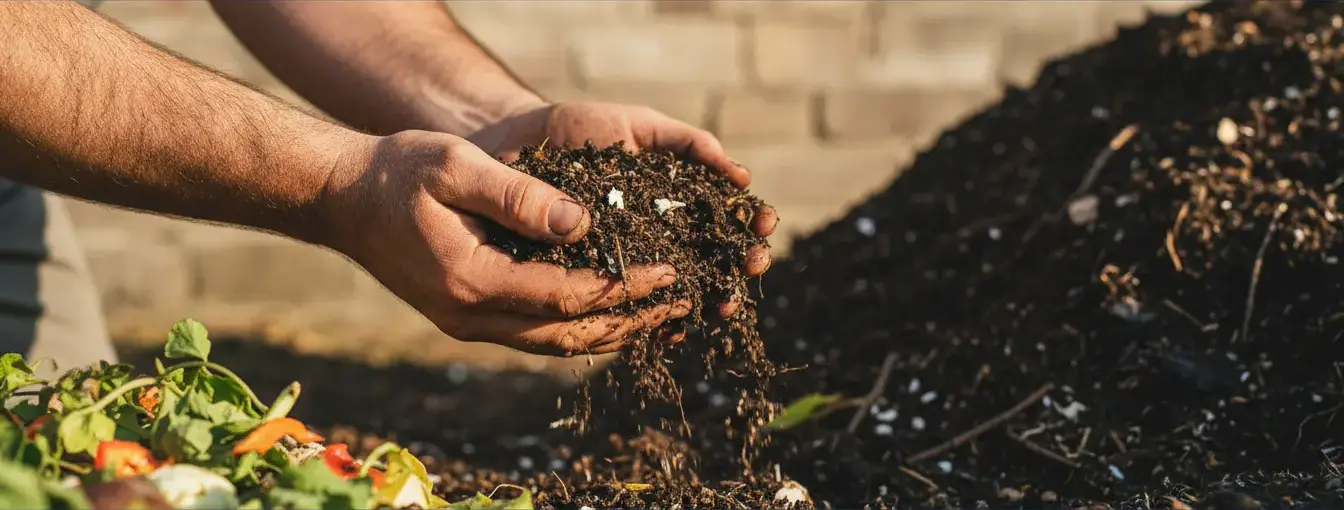
Find the Best Composting & Food Waste Companies for Your Business
No obligation • Fast responses • Nationwide coverage

Why you can trust Restaurant Waste Disposal
Restaurant Waste Disposal is a leading U.S. resource for comparing restaurant composting, food-waste recycling, grease trap cleaning, and used cooking oil collection services. Our editorial team researches providers, checks credentials, and organizes unbiased information so operators can make informed decisions. Companies cannot pay to change ratings or placement.
Search providers near you
Top Composting & Food Waste Companies in Santa Monica, California Ranked
For restaurants and food service businesses in Santa Monica, managing organic waste is not just an environmental choice-it's a legal requirement. Under California's SB 1383, the city mandates that all commercial entities, including every restaurant, separate their food scraps and other compostable materials for recycling. This organics recycling program is designed to dramatically reduce landfill waste, lower greenhouse gas emissions, and contribute to the creation of nutrient-rich compost. The city supports this transition by providing specific containers and guidelines, making compliance an integrated part of daily operations for business owners and property managers.
Santa Monica's approach focuses on source separation, meaning waste must be sorted correctly at the point of disposal. The system utilizes a three-bin setup: green for organics, blue for recyclables, and black for landfill trash. Successful participation helps the city meet its ambitious climate goals, but it requires understanding what goes where, proper bin preparation, and avoiding common contamination issues that can undermine the recycling process.
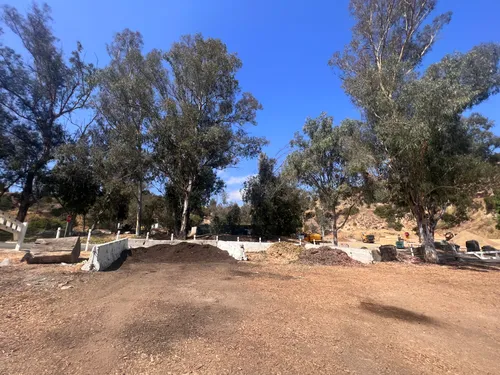
Griffith Park Composting Facility
5400 Griffith Park Dr, Los Angeles, CA 90027
Griffith Park Composting Facility provides food waste composting services primarily for restaurants in Glendale, CA. The facility specializes in processing organic waste to support sustainable waste management practices in the area.
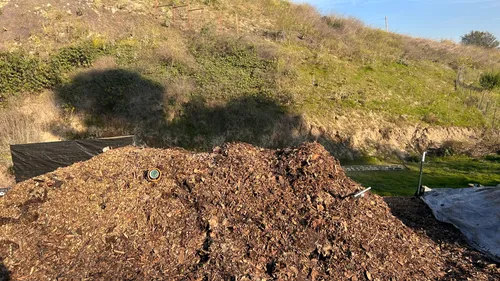
TAWA compost green waste food recycling
4002 Drysdale Ave, Los Angeles, CA 90032
TAWA Compost Green Waste Food Recycling is based in Los Angeles, CA, providing food waste and composting services primarily for restaurants and commercial clients. They offer drop-off options for commercial food waste, green waste, and residential waste, as well as onsite waste management and emergency food waste pickup available 24/7. Founded during the COVID-19 pandemic, TAWA Compost began as a food rescue initiative to address food insecurity and now focuses on turning inedible food into nutrient-rich compost. They also conduct workshops to educate the community on reducing waste and maximizing resources.
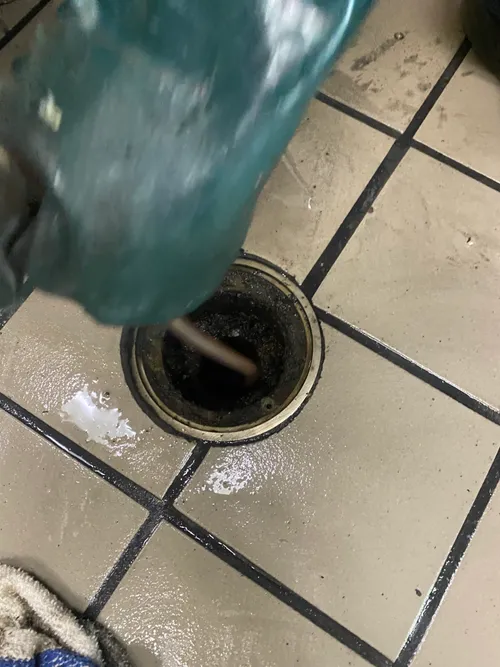
Royal Pumping and Jetting
Los Angeles, CA
Royal Pumping and Jetting provides a comprehensive range of pumping and jetting services for restaurants and hospitality businesses in Los Angeles, CA. Their offerings include grease trap and interceptor cleaning, waste kitchen oil removal, hydro jetting, grease trap repair, high-pressure washing, and complete plumbing services. The company has been serving Los Angeles, Orange County, and San Bernardino since 2008, with a team of certified experts skilled in handling various pump and blast operations. They also offer 24/7 availability to meet urgent service needs.

CR & R Inc
12739 Lakeland Rd, Santa Fe Springs, CA 90670
CR & R Inc provides food waste and composting services for restaurants in La Mirada, CA. The company focuses on sustainable solid waste and recycling solutions, operating advanced materials processing centers and using alternative fuel vehicles to reduce environmental impact. With over three decades of experience, CR & R Inc has developed a state-of-the-art anaerobic digester to process organic waste and produce renewable natural gas, supporting cleaner air and greener practices in the region.
Understanding SB 1383 and Santa Monica's Mandate
California's Short-Lived Climate Pollutant Reduction Law (SB 1383) sets statewide targets to reduce organic waste disposal in landfills. For cities like Santa Monica, this translates into local ordinances requiring all businesses generating organic waste to subscribe to and participate in organics recycling services. This law is a cornerstone of the state's strategy to fight climate change, as decomposing food waste in landfills is a major source of methane, a potent greenhouse gas.
The mandate is comprehensive. It applies to all restaurants, from quick-service cafes to fine-dining establishments, regardless of size. The requirement extends to commercial property owners and business tenants, making it a shared responsibility. The city's Resource Recovery & Recycling Division enforces these rules and provides the necessary tools and education to help businesses comply. The goal is to create a circular system where food waste is recovered and returned to the earth as compost, rather than taking up space and harming the environment in a landfill.
What Goes in the Green Organics Bin?
Correct sorting is critical for the success of the organics recycling program. Contamination with non-compostable materials can spoil entire loads of compost. Here's a detailed breakdown of what restaurants should place in their city-provided green bin:
- All Food Scraps: This includes fruits, vegetables, meat, poultry, fish, bones, dairy products, eggs, shells, bread, pasta, rice, and coffee grounds with filters.
- Food-Soiled Paper: Napkins, paper towels, paper plates, pizza boxes (free of wax coating), coffee cups, and uncoated paper food containers that are soiled with food residue.
- Yard Trimmings: Leaves, grass, small branches, and flowers.
- Approved Compostable Items: Wooden chopsticks, bamboo skewers, and certified compostable serviceware (look for the BPI certification logo).
A key rule for restaurants is bagging requirement. All food scraps must be placed in either a clear plastic bag (so haulers can visually confirm contents) or a certified compostable bag before being deposited into the green cart. This helps keep bins cleaner and reduces odors and pests.
Prohibited Items: Avoiding Contamination
Knowing what not to put in the green bin is equally important. The following items are considered contaminants and must be placed in the black landfill bin or, if applicable, the blue recycling bin:
- Plastic Bags of Any Kind: This is a strict rule. Even bags labeled "biodegradable" or "compostable" (like #1-7 PLA plastics) are not allowed in Santa Monica's green organics bins. They do not break down properly in the city's processing facilities.
- Non-Organic Materials: Glass, metal, plastic utensils, Styrofoam, and any other rigid plastics.
- Pet Waste: Animal feces and kitty litter belong in the black landfill bin.
- Textiles, Rubber, or Hazardous Waste.
Contamination is a major issue that can lead to entire truckloads of organics being rejected at processing facilities, resulting in higher costs and environmental setbacks. Regular staff training on these guidelines is essential for compliance.
Setting Up and Maintaining Your System
Implementing an effective organics separation system in a busy restaurant requires planning. The city provides the green organics containers at no extra charge for businesses that use municipal refuse service. Bin placement is typically in a central trash area or alley specific to your building; bins are not shared communally across different properties 1.
For optimal bin management and to reduce odors, the city recommends a layering technique:
- Place a layer of yard trimmings or shredded paper at the bottom of the green bin to absorb moisture.
- Add bagged food scraps on top.
- If available, add another layer of yard waste on top to help contain smells 2.
This practice is especially helpful in Santa Monica's climate. Establish a clear, labeled collection station in your kitchen (e.g., a small pail with a lid lined with a clear or compostable bag) to make it easy for staff to separate food scraps during prep and clean-up.
Find the perfect composting & food waste companies for your needs
Get personalized recommendations and expert advice
Service Providers and Hauler Requirements
In Santa Monica, waste hauling services are structured to ensure organics are properly handled. The city itself provides collection services for many commercial accounts. For those using private haulers, any company operating within Santa Monica must be licensed by the city and is required by law to transport separated organic waste to approved recycling or composting facilities, not to landfills 3.
This regulatory framework ensures that the organic material restaurants diligently separate is actually processed into compost or used for renewable energy generation (anaerobic digestion). Business owners should confirm that their current waste contract includes compliant organics hauling. The city's Resource Recovery & Recycling Division can provide a list of licensed haulers and answer questions about service requirements.
Costs, Fees, and Potential Waivers
Understanding the financial aspect of organics recycling is important for business planning. The city provides the green organics containers themselves at no additional charge 4. However, the overall cost for solid waste services-which encompasses landfill (black), recycling (blue), and organics (green) collection-is bundled into a single service fee.
These fees are based on factors like bin size, frequency of pickup, and the level of service required. The city adjusts rates periodically to reflect the operational costs of providing these essential services 5 6. For the most accurate and personalized cost information, restaurants should contact the Resource Recovery & Recycling Division directly at recycling@santamonica.gov.
The city recognizes that not all situations are standard. Limited waivers are available under specific circumstances. A business may apply for a waiver if it can demonstrate that it generates a de minimis (minimal) amount of organic waste. Alternatively, a space waiver may be granted if the physical premises lack adequate space for the three required containers, even after optimizing the waste management area 7 8. All waivers require formal approval from the city.
Benefits Beyond Compliance
While mandated, participating in Santa Monica's organics recycling program offers significant benefits. Diverting food waste reduces the volume of trash sent to landfill, which can potentially lower overall waste service costs as landfill tipping fees rise. It also directly reduces your restaurant's carbon footprint by preventing methane emissions.
Furthermore, the compost created from this program is used to enrich soil in local agriculture and landscaping, closing the loop and supporting regional sustainability. Promoting your restaurant's active role in this program can also enhance your brand's image among the environmentally conscious residents and visitors of Santa Monica.
Frequently asked questions
Sources
Footnotes
-
Organics Recycling for Commercial Property Owners and Business ... - https://www.santamonica.gov/process-explainers/organics-recycling-for-commercial-property-owners-business-tenants ↩
-
santamonica.gov - Organics Recycling for Commercial Property Owners and Business Tenants - https://www.santamonica.gov/process-explainers/organics-recycling-for-commercial-property-owners-business-tenants ↩
-
City of Santa Monica, CA MANDATORY RECYCLING - https://ecode360.com/42734365 ↩
-
Commercial Collection Services - santamonica.gov - https://www.santamonica.gov/topic-explainers/commercial-collection-services ↩
-
santamonica.gov - Solid Waste Rates - https://www.santamonica.gov/solid-waste-rates ↩
-
How to Comply with the City's New Mandatory Organics Recycling ... - https://www.santamonica.gov/blog/how-to-comply-with-the-city-s-new-mandatory-organics-recycling-law ↩
-
Your Guide to Compost, Recycling, and ... - santamonica.gov - https://www.santamonica.gov/your-guide-to-compost-recycling-and-trash ↩
-
Organics Recycling - SB 1383 - santamonica.gov - https://www.santamonica.gov/topic-explainers/organics-recycling-sb-1383 ↩