Find the Best Composting & Food Waste Companies for Your Business
No obligation • Fast responses • Nationwide coverage

Why you can trust Restaurant Waste Disposal
Restaurant Waste Disposal is a leading U.S. resource for comparing restaurant composting, food-waste recycling, grease trap cleaning, and used cooking oil collection services. Our editorial team researches providers, checks credentials, and organizes unbiased information so operators can make informed decisions. Companies cannot pay to change ratings or placement.
Search providers near you
Top Composting & Food Waste Companies in Santa Ana, California Ranked
For restaurants in Santa Ana, managing organic waste is no longer just an environmental best practice-it's a legal requirement. California's landmark laws, SB 1383 and AB 1826, mandate that all businesses, including food service establishments, separate their food scraps and other compostable materials from the trash stream. This statewide push aims to drastically reduce greenhouse gas emissions from landfills by diverting organic waste to composting or anaerobic digestion facilities. For a restaurant owner, this means implementing a new operational workflow, from the kitchen to the dining area, to ensure compliance, avoid potential fines, and contribute to California's climate goals. Navigating these organics recycling regulations involves understanding your obligations, setting up the right service with your waste hauler, and effectively training your team.
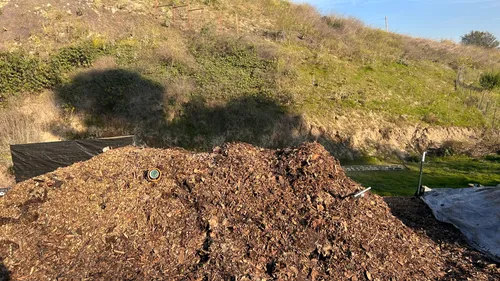
TAWA compost green waste food recycling
4002 Drysdale Ave, Los Angeles, CA 90032
TAWA Compost Green Waste Food Recycling is based in Los Angeles, CA, providing food waste and composting services primarily for restaurants and commercial clients. They offer drop-off options for commercial food waste, green waste, and residential waste, as well as onsite waste management and emergency food waste pickup available 24/7. Founded during the COVID-19 pandemic, TAWA Compost began as a food rescue initiative to address food insecurity and now focuses on turning inedible food into nutrient-rich compost. They also conduct workshops to educate the community on reducing waste and maximizing resources.
Royal Pumping and Jetting
Los Angeles, CA
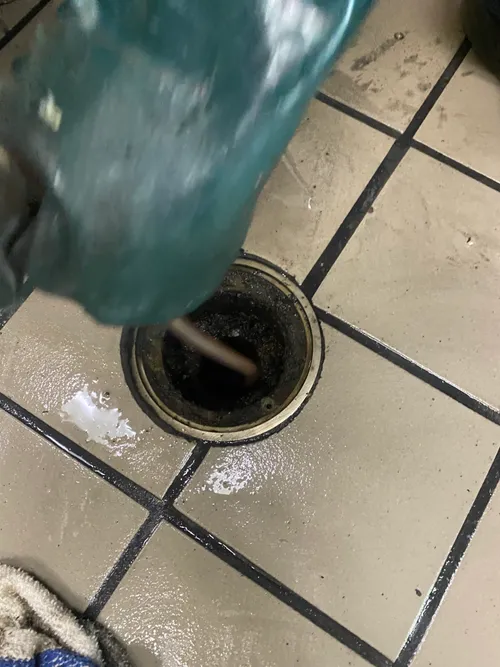
Royal Pumping and Jetting provides a comprehensive range of pumping and jetting services for restaurants and hospitality businesses in Los Angeles, CA. Their offerings include grease trap and interceptor cleaning, waste kitchen oil removal, hydro jetting, grease trap repair, high-pressure washing, and complete plumbing services. The company has been serving Los Angeles, Orange County, and San Bernardino since 2008, with a team of certified experts skilled in handling various pump and blast operations. They also offer 24/7 availability to meet urgent service needs.

CR & R Inc
12739 Lakeland Rd, Santa Fe Springs, CA 90670
CR & R Inc provides food waste and composting services for restaurants in La Mirada, CA. The company focuses on sustainable solid waste and recycling solutions, operating advanced materials processing centers and using alternative fuel vehicles to reduce environmental impact. With over three decades of experience, CR & R Inc has developed a state-of-the-art anaerobic digester to process organic waste and produce renewable natural gas, supporting cleaner air and greener practices in the region.
Understanding Your Legal Obligations
The core of the mandate is straightforward: if your Santa Ana restaurant generates two or more cubic yards of total solid waste per week, you are required to arrange for organics recycling services. It's crucial to note that this threshold is based on your total waste output (trash, recycling, and organics combined), not just food waste alone. Many full-service restaurants will easily meet this volume. The law requires you to:
- Subscribe to Service: Arrange for organic waste collection with a licensed hauler that provides this service in Santa Ana 1.
- Separate Materials: Keep food scraps, food-soiled paper (like napkins and uncoated paper plates), and other compostable materials separate from landfill trash and traditional recycling.
- Provide Customer Bins: Place customer-facing recycling and organics containers next to every trash bin in public areas (excluding restrooms).
- Use Proper Signage: Label all bins with clear, standardized signage that uses specific colors and imagery to guide proper sorting (typically green for organics).
- Educate Staff: Train all employees on the new sorting procedures to minimize contamination, which is a leading cause of service issues 2.
Setting Up Your Organics Recycling Service
The first practical step is to contact your current waste collection company. Major haulers like Waste Management and Republic Services operating in Orange County offer organics recycling programs to help businesses comply. You will need to discuss:
- Container Needs: Your hauler will help determine the appropriate size and number of containers. This usually includes large, wheeled carts for back-of-house kitchen scraps and smaller, color-coded bins for customer areas in the front-of-house.
- Collection Schedule: The frequency of pickup will depend on your volume of organic waste. For a busy restaurant, this could range from daily to multiple times per week to prevent odor and pest issues.
- Service Adjustments: As you divert food scraps and compostables into a new stream, your volume of regular landfill trash may decrease. You might be able to downsize your trash container or reduce pickup frequency, which can help offset the cost of the new organics service.
If you are unsure about your hauler or need guidance, the OC Waste & Recycling department is a key local resource for information on business compliance and can provide direction 3.
Best Practices for Restaurant Implementation
Successfully integrating food waste diversion into your daily operations requires a systematic approach.
1. Conduct a Waste Audit: Before calling your hauler, spend a few days observing your waste. Identify what is being thrown away, in what quantities, and from which stations (prep, dishwashing, customer plates). This will give you concrete data to discuss with your service provider and help you choose the right container sizes and locations 4.
2. Design Your Waste Stations: Place triple-bin stations (trash, recycling, organics) in strategic locations: near dish pits, food prep areas, and in customer dining spaces. Ensure staff bins are easily accessible to encourage proper sorting during the rush. For customers, clear, consistent signage is non-negotiable for reducing contamination 5.
3. Train and Engage Your Team: Comprehensive staff training is the most critical factor for compliance. Hold meetings to explain the why (the law, environmental impact) and the how (what goes in each bin). Use visual aids and consider appointing a "green captain" to monitor bins and answer questions. Employee buy-in turns a mandate into a meaningful practice.
4. Prioritize Food Donation: An important component of SB 1383 is food recovery. Before food becomes waste, restaurants are encouraged to partner with local food banks or recovery organizations to donate excess edible food 6. This not only fulfills a legal requirement but also supports the community. Organizations can be found through networks like the OC Food Bank.
Find the perfect composting & food waste companies for your needs
Get personalized recommendations and expert advice
The Critical Issue of Contamination
Contamination-placing non-compostable items in the organics bin-can derail your entire program. Common contaminants in restaurant settings include plastic wrap, utensils, rubber gloves, glass, and liquids 7 8. Haulers may reject heavily contaminated loads, and repeat offenses can lead to fines or service discontinuation. Education is the primary solution. Make sure every employee knows that only food scraps, food-soiled paper (no plastic coating), and approved compostable serviceware belong in the green bin. Regularly check bins and provide feedback to your team.
Navigating Costs and Potential Savings
Adding a new waste stream will impact your monthly bill. You will likely see a separate line item for organics collection. However, this cost can be managed and potentially offset. By diverting heavy, wet food waste from your trash bin, you may significantly reduce the volume of landfill-bound waste. This often allows you to request a smaller trash container or less frequent trash pickups, leading to savings on that portion of your bill 9. When discussing service with your hauler, be sure to explore these rebalancing options. The overall financial impact varies by establishment based on size, volume, and hauler pricing structures.
Steps to Get Started Today
If you haven't yet implemented an organics recycling program, follow this action plan to achieve compliance:
- Audit: Briefly assess your current weekly waste volume and types.
- Call: Contact your existing waste hauler to inquire about organics recycling service options, container delivery, and pricing.
- Plan: Map out where bins will go for staff and customers. Order the required compliant signage.
- Train: Schedule a staff training session before the new bins arrive.
- Launch: Implement the program, monitor bins closely for the first few weeks, and adjust as needed.
- Donate: Research and connect with a local food recovery organization to establish a donation protocol for surplus edible food 10.
Taking these steps not only ensures you follow California law but also positions your Santa Ana restaurant as a responsible community partner committed to sustainability.
Frequently asked questions
Sources
Footnotes
-
Statewide Mandatory Organic Waste Collection - CalRecycle - https://calrecycle.ca.gov/organics/slcp/collection/ ↩
-
AB 1826 - Commercial & Multi-Family Organics Recycling - Placentia.org - https://www.placentia.org/688/AB-1826---Commercial-Organics-Recycling ↩
-
Business Compliance | OC Waste & Recycling - https://oclandfills.com/businesscompliance ↩
-
Waste Reduction & Recycling - Specialty Coffee Association - https://thesca.squarespace.com/s/SCAA-Green-Guide-Module-3-Waste.pdf ↩
-
California recycling laws - City of Santa Ana - https://www.santa-ana.org/california-recycling-laws/ ↩
-
Mandatory Recycling and Organics Law | Larkspur, CA - Official Website - https://www.ci.larkspur.ca.us/796/Mandatory-Commercial-Organics-Recycling ↩
-
Commercial Organics Recycling - https://oclandfills.com/businessorganics ↩
-
Food Waste Composting Regulations White Paper - Ventura County - https://rmadocs.venturacounty.gov/environmental-health/programs/solid-waste/publications/california-integrated-waste-management-board-food-waste-composting-regulations-white-paper.pdf ↩
-
Frequently Asked Questions - CalRecycle Home Page - https://calrecycle.ca.gov/recycle/commercial/organics/faq/ ↩
-
Composting Organics Is Now The Law for Everyone in California! - https://www.recyclesmart.org/sb-1383 ↩