Find the Best Composting & Food Waste Companies for Your Business
No obligation • Fast responses • Nationwide coverage

Why you can trust Restaurant Waste Disposal
Restaurant Waste Disposal is a leading U.S. resource for comparing restaurant composting, food-waste recycling, grease trap cleaning, and used cooking oil collection services. Our editorial team researches providers, checks credentials, and organizes unbiased information so operators can make informed decisions. Companies cannot pay to change ratings or placement.
Search providers near you
Top Composting & Food Waste Companies in Roseville, California Ranked
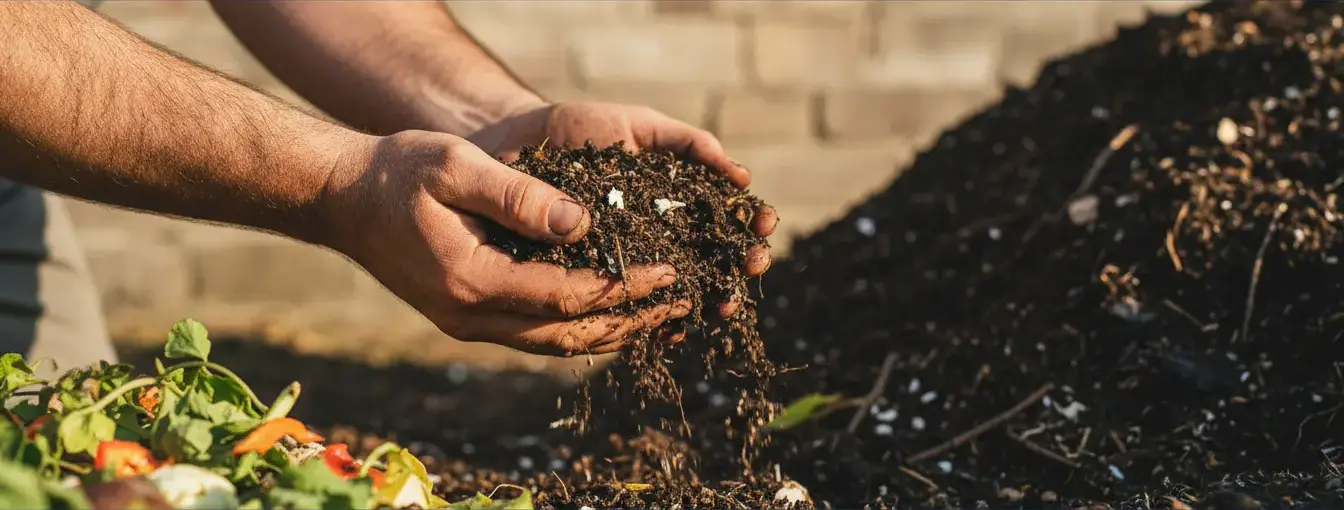
For restaurants and food service businesses in Roseville, managing organic waste responsibly is a key component of sustainable operations. While the city provides a clear framework for residential composting and yard waste, commercial establishments must navigate a different path to set up food scrap recycling and organic waste diversion. Successfully implementing a program requires understanding the local rules, connecting with the right service providers, and adhering to strict contamination guidelines to ensure your organic material is truly composted. This guide outlines the available services, critical next steps for business owners, and best practices for integrating food waste recycling into your daily routine.
Understanding the local landscape is the first step. The City of Roseville offers a seasonal residential composting program that runs from April through early December. Residents use specific brown paper bags or city-stickered cans for weekly pickup of yard waste and food scraps. This program highlights the community's infrastructure for processing organic material. However, for commercial entities like restaurants, the process is not administered through a one-size-fits-all city program. Instead, businesses must work directly with approved waste haulers to establish a customized service for collecting food waste and other compostables.
Commercial Organic Waste Services: How It Works
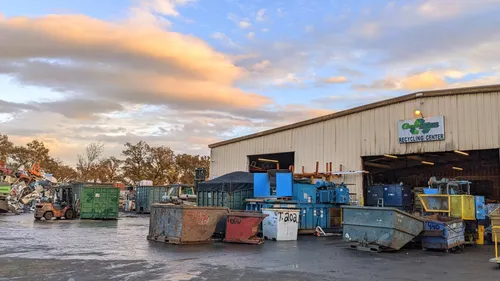
Commercial food waste collection in Roseville operates under the city's broader refuse collection ordinances. All commercial units are required to subscribe to refuse services, and any additional services like organics recycling are typically arranged as an add-on with your waste hauler. Containers for commercial organic waste must be substantial, covered, and approved by the Department of Public Works. Pickups for commercial accounts are generally scheduled weekly, Monday through Friday.
The most common path for a restaurant is to contact their current waste management provider-such as Priority Waste, the city's contracted hauler-to inquire about adding a dedicated food waste stream to their service package1. This involves discussing your specific volume, desired pickup frequency, and container needs. Haulers will provide a quote based on these factors, as commercial costs vary widely by volume and service level. It's important to note that while the city sets the rules, the service agreement and pricing are between your business and the waste collection company.
Key Steps to Establish Service
- Assess Your Waste Stream: Conduct a brief audit to estimate how much food waste (pre-consumer scraps, post-consumer plate waste, spoiled inventory) and other compostables (like uncoated paper napkins) your business generates weekly.
- Contact Your Hauler: Reach out to your current waste service provider or the City of Roseville's Public Works Department for a list of approved commercial haulers. Discuss your needs and request a formal quote for organic waste collection.
- Select Container Size: Work with the hauler to choose appropriately sized, lidded bins for your kitchen and back-of-house area. Proper containers are crucial for hygiene and efficiency.
- Train Your Staff: Implement a simple system for separating compostables from trash and recycling. Clear signage and team training are essential for preventing contamination.
- Schedule Service: Finalize a pickup schedule that matches your waste generation to avoid overflow and odor issues.
Critical Contamination Guidelines
Regardless of whether you are a resident or a business, one rule is paramount and strictly enforced: no plastic bags in the compost stream 2. Plastic contamination can ruin an entire load of otherwise valuable compost, rendering it unsellable and sending it to the landfill. This includes so-called "biodegradable" or "compostable" plastic bags unless specifically approved by your hauler and the processing facility.
For restaurants, maintaining a clean organics stream is both an environmental and economic imperative. To manage odors and moisture in kitchen collection pails, use acceptable liners like newspaper or empty the pails frequently into the larger outdoor collection bin. Some businesses find success using a layer of baking soda or approved compostable paper liners to absorb liquids3. The goal is to keep the material as clean and dry as possible, mixing food scraps with accepted "browns" like untreated paper or yard waste if available, which aids the composting process and reduces pests.
Benefits of Restaurant Food Waste Diversion
Diverting food scraps from the trash isn't just about compliance or sustainability branding; it offers tangible benefits. First, it can reduce your general waste disposal costs. As you divert heavy, wet organic material into a separate stream, you may be able to downsize your garbage dumpster or reduce the frequency of trash pickups. Second, it contributes to a circular economy. The compost created from your food waste can be used to enrich soil in local farms and gardens, closing the loop. Finally, it engages employees and customers who increasingly value environmentally responsible business practices.
Find the perfect composting & food waste companies for your needs
Get personalized recommendations and expert advice
Navigating Residential vs. Commercial Rules
It's important for business owners to distinguish between the well-publicized residential rules and the commercial requirements. The residential program is straightforward: during the season, residents place yard waste and food scraps in approved 30-gallon brown paper bags or in 32-35 gallon cans affixed with a city-issued "COMPOST" sticker (available at city offices), with a 60-pound weight limit per container4 5 6. This program is funded through city service fees.
Commercial operations do not use this sticker-and-bag system. They operate under a contractual business-to-business model. The city's role is regulatory, ensuring that commercial containers are appropriate and that haulers are licensed7 8. The specifics of what food waste is accepted (e.g., meat, dairy, bones, which are often problematic in backyard compost but can be handled by commercial facilities), container sizes, and precise costs are not published generically because they are customized. This makes direct consultation with a service provider the only way to get accurate, actionable information for your restaurant.
Building a Sustainable System in Your Kitchen
Implementing a successful organics recycling program requires more than just signing a contract with a hauler. It requires integrating new habits into your kitchen's workflow. Start small, perhaps by collecting pre-consumer vegetable peels and coffee grounds from one station. Use clearly labeled, color-coded bins with graphic signage to make sorting intuitive. Designate a team member as a sustainability champion to monitor the bins and educate staff. Regularly review what's being thrown away; effective food waste reduction starts with smarter purchasing, better inventory management, and creative menu planning to use all parts of an ingredient.
By taking these steps, Roseville restaurants can transform food waste from a disposal problem into a resource. The process begins with a phone call to your waste hauler to explore your options. With a clear system and a committed team, diverting organic waste becomes a simple, routine part of your daily operations, benefiting your business, the community, and the local environment.
Frequently asked questions
Sources
Footnotes
-
Roseville, MI - Priority Waste - https://www.prioritywaste.com/municipality/roseville-mi/ ↩
-
Can Roseville residents use compost cans instead of bags? - https://www.facebook.com/groups/1655707094475771/posts/7745250945521325/ ↩
-
Residents Requirements | Fight Food Waste - https://www.fightfoodwastela.com/how-to-comply-requirements-for-residents/ ↩
-
FAQs - Roseville, MI - https://www.roseville-mi.gov/292/FAQs ↩
-
Roseville Michigan garbage pick up rules and regulations - https://www.facebook.com/groups/1655707094475771/posts/24997109656575519/ ↩
-
Curbside Composting · NYC311 - https://portal.311.nyc.gov/article/?kanumber=KA-02030 ↩
-
City of Roseville, MI Commercial Refuse Collection - eCode360 - https://ecode360.com/7621389 ↩
-
FAQs • How do I get rid of yard waste? - Kent County - https://www.kentcountymi.gov/FAQ.aspx?QID=273 ↩