Find the Best Composting & Food Waste Companies for Your Business
No obligation • Fast responses • Nationwide coverage

Why you can trust Restaurant Waste Disposal
Restaurant Waste Disposal is a leading U.S. resource for comparing restaurant composting, food-waste recycling, grease trap cleaning, and used cooking oil collection services. Our editorial team researches providers, checks credentials, and organizes unbiased information so operators can make informed decisions. Companies cannot pay to change ratings or placement.
Search providers near you
Top Composting & Food Waste Companies in Rancho Palos Verdes, California Ranked
For restaurants and food service businesses in Rancho Palos Verdes, managing organic waste is no longer just an environmental consideration-it's a state-mandated requirement. California's SB 1383 regulations have transformed how commercial entities handle food scraps, food-soiled paper, and yard trimmings, aiming to drastically reduce landfill methane emissions. The city, in compliance with these rules, requires all businesses to subscribe to organics recycling services through their designated waste hauler. This program is designed to divert organic material from landfills to be processed into beneficial compost or renewable energy. Understanding the specific rules for container use, acceptable materials, and training is essential for local restaurants to operate efficiently, avoid contamination fees, and stay in compliance with the law.
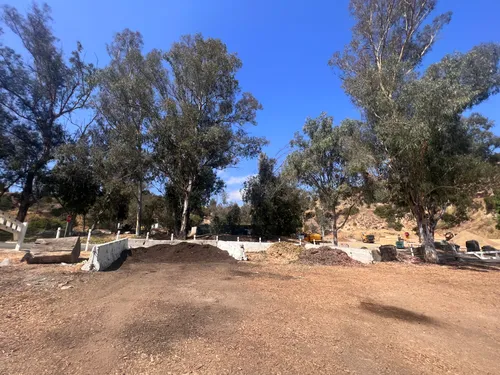
Griffith Park Composting Facility
5400 Griffith Park Dr, Los Angeles, CA 90027
Griffith Park Composting Facility provides food waste composting services primarily for restaurants in Glendale, CA. The facility specializes in processing organic waste to support sustainable waste management practices in the area.
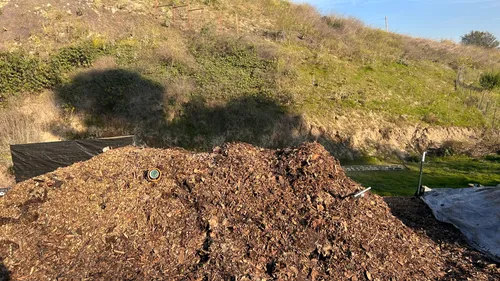
TAWA compost green waste food recycling
4002 Drysdale Ave, Los Angeles, CA 90032
TAWA Compost Green Waste Food Recycling is based in Los Angeles, CA, providing food waste and composting services primarily for restaurants and commercial clients. They offer drop-off options for commercial food waste, green waste, and residential waste, as well as onsite waste management and emergency food waste pickup available 24/7. Founded during the COVID-19 pandemic, TAWA Compost began as a food rescue initiative to address food insecurity and now focuses on turning inedible food into nutrient-rich compost. They also conduct workshops to educate the community on reducing waste and maximizing resources.
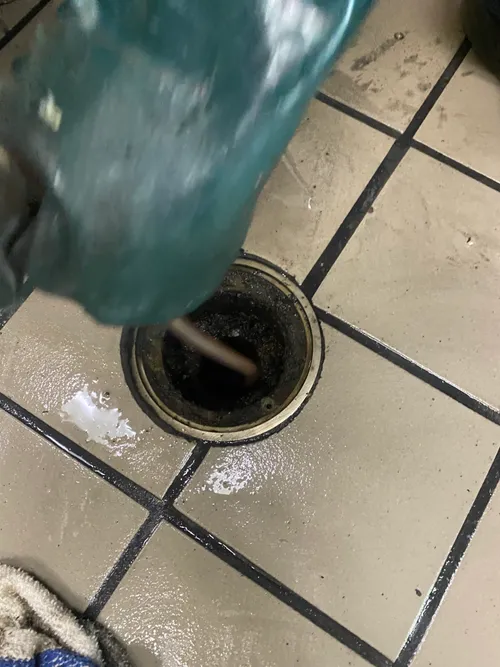
Royal Pumping and Jetting
Los Angeles, CA
Royal Pumping and Jetting provides a comprehensive range of pumping and jetting services for restaurants and hospitality businesses in Los Angeles, CA. Their offerings include grease trap and interceptor cleaning, waste kitchen oil removal, hydro jetting, grease trap repair, high-pressure washing, and complete plumbing services. The company has been serving Los Angeles, Orange County, and San Bernardino since 2008, with a team of certified experts skilled in handling various pump and blast operations. They also offer 24/7 availability to meet urgent service needs.

CR & R Inc
12739 Lakeland Rd, Santa Fe Springs, CA 90670
CR & R Inc provides food waste and composting services for restaurants in La Mirada, CA. The company focuses on sustainable solid waste and recycling solutions, operating advanced materials processing centers and using alternative fuel vehicles to reduce environmental impact. With over three decades of experience, CR & R Inc has developed a state-of-the-art anaerobic digester to process organic waste and produce renewable natural gas, supporting cleaner air and greener practices in the region.
Understanding SB 1383 and Local Mandates
The driving force behind organic waste recycling in Rancho Palos Verdes is California Senate Bill 1383. This statewide law mandates the diversion of organic waste from landfills to combat climate change by reducing methane, a potent greenhouse gas. For local businesses, including every restaurant, café, and grocery store, this translates to a legal obligation to separate food waste and food-soiled paper from their regular trash stream.
The City of Rancho Palos Verdes has enacted local ordinances, like Chapter 8.20 of its municipal code, to enforce these state requirements. This means commercial organics recycling is not optional. The city works with franchised waste haulers to provide the necessary services. Furthermore, the regulations include an Edible Food Recovery component. Larger food generators, such as restaurants with 250 or more seats, have an additional mandate to recover and donate viable, unsold food to local food recovery organizations 1. This two-pronged approach-diverting waste and recovering food-forms the core of the city's sustainability strategy.
Setting Up Your Commercial Organics Service
The first step for any Rancho Palos Verdes restaurant is to establish service with the city's authorized waste hauler for your location. Primary providers include Waste Management (WM) and EDCO, among others.
- Contact Your Hauler: Reach out to your assigned commercial waste provider to initiate or adjust your service. They are required to provide organics collection.
- Container Selection: Haulers typically supply green carts or bins for organic material. Common commercial sizes range from 2 to 6 cubic yards. Your hauler will help determine the right size and number of containers based on your establishment's volume of food waste and landscape trimmings.
- Collection Schedule: Pickup frequency is arranged with your provider and depends on your needs-common schedules are weekly or more frequent for high-volume kitchens.
- Training and Signage: A key part of the service is education. Your waste hauler should provide training materials and clear signage to help your staff correctly sort materials at the source, which is critical for preventing contamination.
What Goes In the Green Organics Cart?
Knowing exactly what materials are accepted is vital for a successful program and to avoid penalties. The green cart is designated for specific organic wastes:
- Food Scraps: All food waste, including fruits, vegetables, meat, bones, dairy, bread, coffee grounds, and eggshells.
- Food-Soiled Paper: Paper products that have come into contact with food, such as napkins, paper towels, paper plates, pizza boxes, and uncoated paper food containers.
- Yard Trimmings: Grass clippings, leaves, small branches, and other garden waste.
Important Note: While some commercial composting facilities may accept certified compostable bags, the general guidance for Rancho Palos Verdes' program is to avoid placing plastic bags-even those labeled "compostable" or "biodegradable"-in the green cart. These bags often do not break down correctly in local processing facilities and are considered contaminants. Food and yard waste should be placed loosely in the bin or in accordance with your hauler's specific instructions.
Critical Rules to Avoid Contamination and Fines
Contamination-placing the wrong items in the organics cart-is a major issue that can undermine the recycling process. Haulers and the city monitor for contamination, and non-compliance can lead to service issues or financial penalties.
- Strict "No Plastic" Rule: Never place plastic bags, film, wrappers, utensils, or any other plastic items in the green organics cart. This is the most common form of contamination2 3.
- Keep Lids Closed: Overfilled carts with lids that cannot fully close may not be serviced by the collection truck. Ensure waste is contained properly.
- Separate Trash: Regular municipal solid waste, including any non-compostable packaging, must go in the black trash cart. Trash should be bagged to keep containers clean.
- Liquid Waste: Grease, oils, and large quantities of liquids should not be poured into organics carts. Used cooking oil collection is typically a separate service that should be arranged with your provider or a specialized vendor.
Staying informed and training all staff members on these protocols is the best defense against contamination charges and ensures your organic material is successfully recycled.
Find the perfect composting & food waste companies for your needs
Get personalized recommendations and expert advice
Costs and Compliance Considerations
The cost for commercial organics recycling service in Rancho Palos Verdes varies based on factors like container size, pickup frequency, and your specific hauler's rates. While adding a service may impact your overall waste management bill, diverting organics can also be cost-effective. Reducing the volume of material in your general trash bin may allow you to downsize your trash service or reduce pickup frequency, potentially offsetting the new cost4 5.
More importantly, compliance is mandatory. With enforcement of SB 1383 fully active, businesses that fail to properly separate their organic waste are subject to warnings and escalating fines 6. Proactively setting up the correct service is the simplest path to compliance. Your waste hauler is a resource; they often provide free waste assessments to help you optimize your service levels and ensure you are meeting all regulatory requirements efficiently.
The Environmental Impact of Your Efforts
When Rancho Palos Verdes restaurants participate correctly in the organics recycling program, the positive environmental impact is significant. Food scraps and yard waste that once rotted in landfills, producing methane, are instead transformed. This diverted organic material is taken to specialized facilities where it is composted into a nutrient-rich soil amendment for agriculture and landscaping or processed in anaerobic digesters to create renewable natural gas7 8.
By adhering to the local organics recycling mandates, your restaurant directly contributes to California's climate goals, supports a circular economy, and helps build a more sustainable community. Proper separation also improves the efficiency of the entire waste system, ensuring that recyclables are cleaner and more valuable.
Next Steps for Restaurant Managers and Owners
If you haven't yet reviewed your waste services, now is the time. Begin by identifying your current commercial waste hauler (likely WM or EDCO in Rancho Palos Verdes) and contacting them directly. Request a review of your current waste streams and ask to set up compliant organics recycling service. Obtain the training posters and bin signage they offer and implement a staff training session. Finally, audit your waste areas to ensure you have clearly labeled, color-coded bins for trash, recyclables, and organics to make correct sorting intuitive for every team member 9.
Taking these steps not only fulfills your legal obligations but also positions your restaurant as a responsible leader in the community's sustainability efforts.
Frequently asked questions
Sources
Footnotes
-
CfTYOF RANCHO PALOS VERDES - Granicus - https://rpv.granicus.com/MetaViewer.php?view_id=5&event_id=2067&meta_id=101773 ↩
-
Frequently Asked Questions - CalRecycle Home Page - https://calrecycle.ca.gov/recycle/commercial/organics/faq/ ↩
-
Organic Waste Management in the City of Buenos Aires - https://www.ccacoalition.org/sites/default/files/resources//webinar_c40-ccac_ow_diversion_mitigation_strategies_wilkinson_ppt.pdf ↩
-
Commercial Trash & Recycling Pickup Rancho Palos Verdes, CA - WM - https://www.wm.com/us/en/location/ca/rancho-palos-verdes/commercial-trash-service-rancho-palos-verdes-ca ↩
-
1 EXCLUSIVE COMMERCIAL FRANCHISE FREQUENTLY ASKED QUESTIONS AND ANSWERS Q: When will my new solid waste collection services star - https://pw.lacounty.gov/epd/swims/docs/ECFFAQs.pdf ↩
-
CHAPTER 8.20. | Rancho Palos Verdes, CA - Municode Library - https://library.municode.com/ca/rancho_palos_verdes/codes/code_of_ordinances?nodeId=TIT8HESA_CH8.20SOWACODI_ARTVIIEN_8.20.460VIPE ↩
-
Organics Recycling | Rancho Palos Verdes, CA - https://www.rpvca.gov/1850/Organics-Recycling ↩
-
Yard Trimmings & Food Scraps | Rancho Palos Verdes, CA - https://www.rpvca.gov/1808/Yard-Trimmings-Food-Scraps ↩
-
2025 Rancho Palos Verdes Commercial Newsletter - https://www.wm.com/content/dam/wm/local-pages/california/rancho-palos-verdes/2025SoCalRanchoPalosVerdesNewsletter.pdf ↩