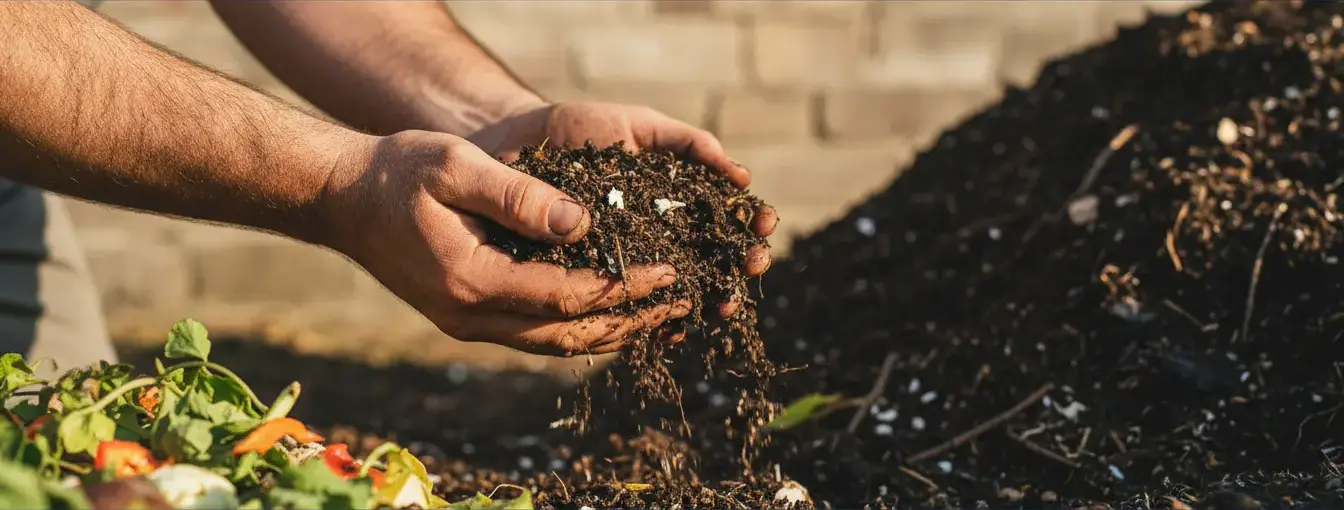
Find the Best Composting & Food Waste Companies for Your Business
No obligation • Fast responses • Nationwide coverage

Why you can trust Restaurant Waste Disposal
Restaurant Waste Disposal is a leading U.S. resource for comparing restaurant composting, food-waste recycling, grease trap cleaning, and used cooking oil collection services. Our editorial team researches providers, checks credentials, and organizes unbiased information so operators can make informed decisions. Companies cannot pay to change ratings or placement.
Search providers near you
Top Composting & Food Waste Companies in Norwalk, California Ranked
For restaurants and food service businesses in Norwalk, managing organic waste is no longer just an environmental consideration-it's a regulatory requirement and a key operational component. Connecticut's Commercial Organics Recycling Law (CORL) mandates that large-scale generators, including many restaurants, hotels, and institutions, divert food scraps from the landfill. While Norwalk offers a municipal food scrap program for residents, commercial entities must partner with private waste haulers to establish a compliant organics recycling system. This involves securing appropriate containers, setting a collection schedule, and ensuring strict separation of acceptable materials to avoid contamination. Implementing a robust food waste diversion program can reduce disposal costs, enhance sustainability credentials, and fulfill legal obligations.
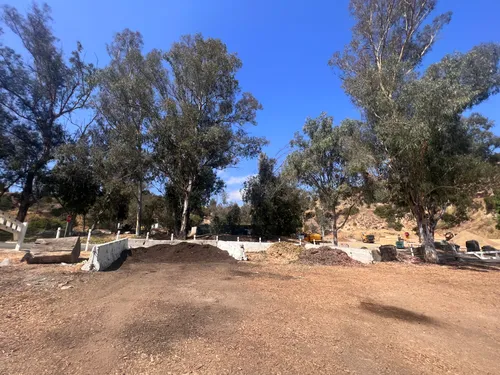
Griffith Park Composting Facility
5400 Griffith Park Dr, Los Angeles, CA 90027
Griffith Park Composting Facility provides food waste composting services primarily for restaurants in Glendale, CA. The facility specializes in processing organic waste to support sustainable waste management practices in the area.
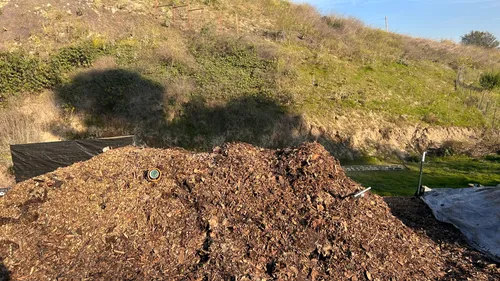
TAWA compost green waste food recycling
4002 Drysdale Ave, Los Angeles, CA 90032
TAWA Compost Green Waste Food Recycling is based in Los Angeles, CA, providing food waste and composting services primarily for restaurants and commercial clients. They offer drop-off options for commercial food waste, green waste, and residential waste, as well as onsite waste management and emergency food waste pickup available 24/7. Founded during the COVID-19 pandemic, TAWA Compost began as a food rescue initiative to address food insecurity and now focuses on turning inedible food into nutrient-rich compost. They also conduct workshops to educate the community on reducing waste and maximizing resources.
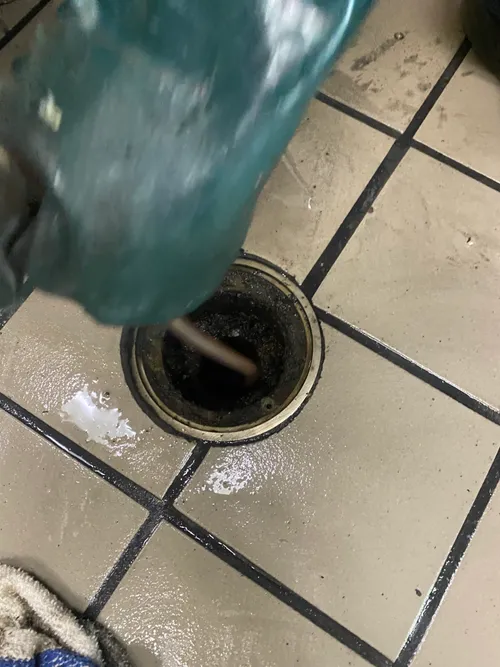
Royal Pumping and Jetting
Los Angeles, CA
Royal Pumping and Jetting provides a comprehensive range of pumping and jetting services for restaurants and hospitality businesses in Los Angeles, CA. Their offerings include grease trap and interceptor cleaning, waste kitchen oil removal, hydro jetting, grease trap repair, high-pressure washing, and complete plumbing services. The company has been serving Los Angeles, Orange County, and San Bernardino since 2008, with a team of certified experts skilled in handling various pump and blast operations. They also offer 24/7 availability to meet urgent service needs.

CR & R Inc
12739 Lakeland Rd, Santa Fe Springs, CA 90670
CR & R Inc provides food waste and composting services for restaurants in La Mirada, CA. The company focuses on sustainable solid waste and recycling solutions, operating advanced materials processing centers and using alternative fuel vehicles to reduce environmental impact. With over three decades of experience, CR & R Inc has developed a state-of-the-art anaerobic digester to process organic waste and produce renewable natural gas, supporting cleaner air and greener practices in the region.
Understanding Connecticut's Commercial Organics Recycling Law (CORL)
The cornerstone of commercial food scrap management in Norwalk is state law. Connecticut's CORL requires businesses and institutions that generate more than 26 tons of food waste per year to source-separate and recycle these organics. This threshold specifically targets larger generators, such as full-service restaurants, large hotels, hospitals, and food processors. Affected entities must not only arrange for proper collection and processing but also report their recycling efforts to the Connecticut Department of Energy and Environmental Protection (CT DEEP). For Norwalk restaurants approaching or exceeding this volume, understanding and complying with CORL is the first critical step in waste management planning.
Commercial Organics Recycling Services in Norwalk
Since the city's municipal program is designed for households, Norwalk restaurants must contract with private commercial waste haulers that offer organics recycling services. Several national and regional providers operate in the area, including Republic Services and Waste Management, alongside local specialists. The process begins by contacting these vendors for a consultation. They will assess your establishment's waste volume, kitchen layout, and service needs to provide a customized quote. While all food-generating businesses in Norwalk are encouraged to participate in organics recycling, it is especially crucial for those mandated by CORL to begin vetting service providers promptly to ensure compliance by the law's effective date.
Container Options and Placement
Your chosen hauler will typically supply the containers for food scrap collection. Common options range from 32-gallon to 96-gallon wheeled carts, which are ideal for kitchens with limited space, to larger dumpsters or roll-off bins for high-volume operations. These containers often feature locking lids to contain odors and prevent pests. Placement is key for staff adoption; bins should be conveniently located in food prep and dishwashing areas, as well as near wait stations for collecting post-consumer plate waste. Clear, consistent signage indicating what materials belong in the organics bin versus trash or recycling is essential to minimize contamination.
Scheduling and Collection Frequency
Pickup schedules are highly variable and are tailored to your business's needs. A small café might only require weekly collection, while a high-traffic restaurant may need service three times per week or even daily. The frequency directly impacts cost and operational flow. During your service setup, the hauler will help determine the optimal schedule based on your bin capacity, waste generation rate, and storage space to avoid overflow and hygiene issues. It's important to review and adjust this schedule periodically, especially with menu or seasonal changes that affect food waste volume.
What Can and Cannot Go in the Organics Bin
Strict separation guidelines are critical for successful commercial composting. Contaminated loads can be rejected by processing facilities, leading to additional fees and wasted effort.
Accepted Materials Typically Include:
- All food scraps: This includes pre-consumer waste (vegetable peels, eggshells, spoiled produce) and post-consumer plate waste (uneaten food, bones, dairy).
- Coffee grounds and paper filters.
- Food-soiled, uncoated paper products: Napkins, paper towels, uncoated paper plates, and pizza boxes (grease-stained portions only).
Common Contaminants to Exclude:
- Plastic bags (unless specifically certified compostable by your hauler).
- Plastic utensils, wrappers, or packaging.
- Styrofoam (polystyrene) containers.
- Glass, metal, or aluminum foil.
- Liquids (oils, soups, milk)-these should be fully absorbed by paper or other compostable material.
- Traditional plastic liners (use only hauler-approved compostable or clear plastic bags).
Maintaining a clean stream of organics ensures the material can be effectively processed into compost or soil amendment, closing the nutrient loop.
Find the perfect composting & food waste companies for your needs
Get personalized recommendations and expert advice
The Financial and Operational Considerations
Participating in commercial organics recycling involves a monthly service fee. Costs are not fixed and depend entirely on your specific situation: the size and number of containers, the frequency of pickup, and your hauler's pricing structure. For a restaurant starting with a smaller volume, monthly fees might begin in the range of $100 to $200 1. For establishments requiring larger bins and more frequent service, costs can rise significantly to several hundred dollars per month 1. It's vital to obtain detailed quotes from multiple providers. When evaluating cost, consider potential savings from reduced trash volume (which may allow for less frequent garbage pickup or smaller trash bins) and the intangible benefits of sustainability marketing and regulatory compliance.
Best Practices for Restaurant Implementation
- Staff Training and Buy-in: Successful programs start with comprehensive training for all staff, from back-of-house to front-of-house. Explain the "why" (law, environment, cost) and the "how" (what goes where) clearly.
- Bin Management: Use color-coded or clearly labeled bins. Line organics bins with hauler-approved bags to simplify clean-out. Establish a routine for moving full bins to the pickup area.
- Partner with Your Hauler: Maintain open communication with your service provider. They are a resource for troubleshooting contamination issues, adjusting service levels, and ensuring compliance.
- Track and Report: Keep records of your service invoices and hauler-provided diversion reports. This documentation will be necessary for any required reporting to CT DEEP under CORL.
The Broader Impact of Food Waste Diversion
Beyond compliance, diverting food scraps from Norwalk's waste stream has significant environmental benefits. Food waste in landfills decomposes anaerobically, producing methane, a potent greenhouse gas. By recycling organics, restaurants contribute to creating compost, a valuable product that enriches soil, conserves water, and reduces the need for chemical fertilizers. This aligns with broader national goals, as the U.S. EPA emphasizes organics recycling as a key strategy for sustainable materials management 2. For a forward-thinking Norwalk restaurant, a well-run food scrap program is a tangible demonstration of corporate responsibility that can resonate positively with an increasingly eco-conscious clientele.
Next Steps for Norwalk Restaurants
To navigate the transition to commercial organics recycling, take these actionable steps:
- Conduct a Waste Audit: Estimate your annual food waste generation to determine if you are near or above the 26-ton CORL threshold.
- Contact Service Providers: Reach out to national haulers like Republic Services and Waste Management, as well as local Connecticut-based compost service specialists, to request quotes and service details.
- Consult Official Resources: Review the full CORL compliance details and reporting requirements on the CT DEEP website. You can also contact the Norwalk Department of Public Works to inquire about any local guidance or incentives for commercial composting efforts 3.
Frequently asked questions
Sources
Footnotes
-
Connecticut Organics Recycling Law - SCRRRA - https://www.scrrra.org/connecticut-organics-recycling-law/ ↩ ↩2
-
National Overview: Facts and Figures on Materials, Wastes and Recycling - https://www.epa.gov/facts-and-figures-about-materials-waste-and-recycling/national-overview-facts-and-figures-materials ↩
-
Composting | US EPA - https://www.epa.gov/sustainable-management-food/composting ↩