
Find the Best Composting & Food Waste Companies for Your Business
No obligation • Fast responses • Nationwide coverage

Why you can trust Restaurant Waste Disposal
Restaurant Waste Disposal is a leading U.S. resource for comparing restaurant composting, food-waste recycling, grease trap cleaning, and used cooking oil collection services. Our editorial team researches providers, checks credentials, and organizes unbiased information so operators can make informed decisions. Companies cannot pay to change ratings or placement.
Search providers near you
Top Composting & Food Waste Companies in National City, California Ranked
For restaurants and food service businesses in National City, managing organic waste is no longer just an environmental consideration-it's a legal requirement. California's landmark SB 1383 mandates that all businesses, including every restaurant, subscribe to an organic waste collection service to drastically reduce the amount of food scraps and other compostables sent to landfills. This statewide regulation is designed to combat climate change by cutting methane emissions from decomposing organic matter in landfills. In National City, compliance is streamlined through a partnership with the city's exclusive waste hauler, EDCO Disposal, which provides the necessary infrastructure, from color-coded bins to scheduled pickups. Successfully navigating these organics recycling rules not only fulfills your legal obligations but can also streamline back-of-house operations, potentially reduce overall waste disposal costs, and demonstrate your establishment's commitment to sustainability in the community.
Food2Soil - San Diego's Neighborhood Composter
San Diego, CA
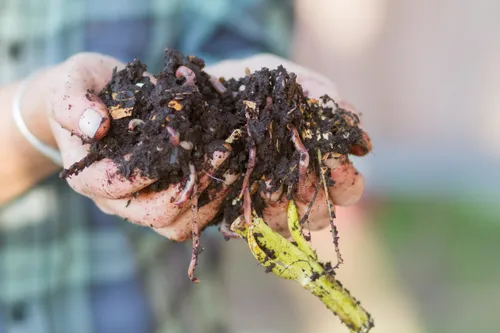
Food2Soil - San Diego's Neighborhood Composter was a local composting service focused on food waste from restaurants and residents in San Diego, CA. The business provided a community-based solution for composting food scraps, supporting waste recovery and promoting a circular economy. After 10 years of operation, Food2Soil closed its services on March 31, 2025.

Chula Vista Environmental Services
1800 Maxwell Rd, Chula Vista, CA 91911
Chula Vista Environmental Services provides waste management and sustainability programs in Chula Vista, CA. They offer used cooking oil collection and food waste composting services for restaurants and businesses. The department also manages household hazardous waste disposal, including paints, pesticides, and motor oil, at the South Bay Household Hazardous Waste Collection Facility. Additionally, they operate a Reuse Center where residents can obtain reusable products like paint and household chemicals. Free home pick-up is available for eligible disabled or elderly residents who cannot transport hazardous waste themselves.
Miramar Landfill
5180 Convoy St, San Diego, CA 92111
Miramar Landfill is the City of San Diego's only active landfill, located in San Diego, CA. It handles nearly 910,000 tons of trash annually across its 1,500-acre site. The landfill has been in operation since 1959, currently using the West Miramar area opened in 1983. It processes organic materials such as food waste and vegetative waste from restaurants and other sources, diverting them to the Miramar Greenery where they are turned into mulch, compost, and wood chips. This facility also captures methane gas produced by waste decomposition to fuel electrical generators at the Metropolitan Biosolids Center, supporting environmental sustainability efforts.
Understanding SB 1383: A Mandate for Change
The driving force behind the new organics recycling protocols is California Senate Bill 1383. This law sets ambitious targets to reduce statewide disposal of organic waste by 75% from 2014 levels by 2025. For National City restaurant owners and managers, this translates into direct, actionable requirements. The law is not a suggestion; it is a mandatory program with enforcement mechanisms. The goal is to ensure that food scraps, food-soiled paper, and yard trimmings are recovered and turned into beneficial products like compost or renewable energy, rather than contributing to greenhouse gas emissions in a landfill. Understanding that this is a state-mandated program, not just a local initiative, underscores its importance and the necessity for full compliance.
Your Compliance Checklist: What National City Restaurants Must Do
Compliance involves several key steps that integrate organic waste separation into your daily operations. Here is a breakdown of the core requirements for food service businesses:
- Subscribe to Collection Service: Your first and most critical step is to establish service with EDCO Disposal for organic waste collection. This is not optional for any business generating waste, including all restaurants.
- Source Separation & Bin Placement: You must provide containers for customers and staff to separate organic waste, recyclables, and landfill trash. This means having the correct color-coded and labeled bins in all areas where waste is generated, except for restrooms.
- Annual Employee Education: You are required to educate your employees annually on how to properly sort materials into the correct bins. This training is crucial for minimizing contamination, which can lead to service issues 1.
- Contamination Monitoring: Management or designated staff must periodically inspect the contents of your organic waste (green) bins. If contamination is found-such as plastic bags or non-compostable materials-you must inform employees and take corrective action to keep contamination levels low.
- Record Keeping: Maintain records of your service agreement with EDCO and your employee training activities. These documents may be requested to demonstrate compliance during inspections.
The Color-Coded System: Sorting Organics, Recycling, and Trash
National City and EDCO utilize a standardized, color-coded bin system to simplify the sorting process. Familiarizing your entire team with this system is the foundation of a successful program.
- Green Bin (Organics): This is for your food waste stream. Acceptable materials include all food scraps (vegetable peels, meat, bones, dairy, coffee grounds), food-soiled paper (napkins, paper towels, uncoated paper plates, pizza boxes), and yard waste. Crucially, plastic bags are not allowed unless they are certified compostable.
- Blue Bin (Recycling): This stream is for clean, dry recyclables like cans, bottles, cardboard, and clean paper. Food residue or liquids in recycling bins contaminate the entire load.
- Black or Grey Bin (Landfill Trash): This is for everything that cannot go into the green or blue bins. This includes plastic wrappers, Styrofoam, utensils, and any heavily contaminated materials 2.
Pro Tip for Kitchens: To manage odors and pests, many restaurants use lined pails or bins under prep stations. Remember, only compostable bag liners are permissible for the green organics stream. Using standard plastic bags as liners is a common form of contamination.
Working with EDCO Disposal: Service and Logistics
As National City's authorized waste hauler, EDCO Disposal is your primary partner for setting up and maintaining compliant organic waste collection. Your service will be tailored to the volume of waste your restaurant generates.
- Setting Up Service: You can initiate service by visiting the EDCO Disposal National City website or contacting their commercial services department directly. They will help you determine the appropriate bin sizes (e.g., 32-gallon, 64-gallon, or larger carts) and collection frequency (e.g., weekly, multiple times per week) for your establishment's needs.
- Pickup Schedules: Collection schedules are not one-size-fits-all. They are determined based on your business's specific volume and space constraints. EDCO will work with you to establish a pickup routine that ensures your bins are serviced before they become overfull 3.
- Cost Structure: The cost for commercial organic waste collection is variable and depends on two main factors: the size of the bins you use and how often they are emptied. To get an accurate quote for your restaurant, you must contact EDCO directly, as rates are negotiated based on your specific service plan 4 5.
Find the perfect composting & food waste companies for your needs
Get personalized recommendations and expert advice
Minimizing Contamination: The Key to Program Success
Contamination-when non-compostable materials end up in the green organics bin-is a major challenge for recycling programs. High contamination rates can render a load of organic waste unrecyclable, undermining the environmental goals of SB 1383. The state and local jurisdictions aim for less than 25% contamination in organic waste streams 6. For your restaurant, preventing contamination means:
- Clear Signage: Use the standardized labels and signs provided by the city or EDCO on every bin.
- Consistent Training: Reinforce sorting guidelines during pre-shift meetings and new employee onboarding.
- Kitchen Audits: Periodically check the contents of your kitchen's organic waste pails before they are dumped into the large outdoor bin to catch and correct mistakes early.
Beyond Compliance: The Benefits of Effective Food Waste Management
While driven by regulation, a robust organics recycling program offers tangible benefits for your restaurant. Diverting food scraps can potentially lower your overall waste disposal costs, especially if you are able to downsize your landfill trash service. It also fosters a culture of environmental responsibility among your staff and can be a positive point of differentiation with eco-conscious customers. By viewing this as an operational improvement rather than just a compliance task, you can maximize the value of your efforts.
Frequently asked questions
Sources
Footnotes
-
Organics Recycling | National City, CA - https://www.nationalcityca.gov/government/engineering-public-works/public-works-division/organics-recycling ↩
-
SB1383 Business Requirements - Public Works - City of Burbank - https://www.burbankca.gov/web/public-works/sb1383-business-requirements ↩
-
Trash & Recycling | National City, CA - https://www.nationalcityca.gov/government/engineering-public-works/public-works-division/trash-recycling ↩
-
Organic Recycling - EDCO National City - https://national-city.edcodisposal.com/residential-waste-services/apartments-condos/organic-recycling/ ↩
-
COMMERCIAL RATES - https://www.cityofmarina.org/DocumentCenter/View/5624 ↩
-
Statewide Mandatory Organic Waste Collection - CalRecycle - https://calrecycle.ca.gov/organics/slcp/collection/ ↩