Find the Best Composting & Food Waste Companies for Your Business
No obligation • Fast responses • Nationwide coverage

Why you can trust Restaurant Waste Disposal
Restaurant Waste Disposal is a leading U.S. resource for comparing restaurant composting, food-waste recycling, grease trap cleaning, and used cooking oil collection services. Our editorial team researches providers, checks credentials, and organizes unbiased information so operators can make informed decisions. Companies cannot pay to change ratings or placement.
Search providers near you
Top Composting & Food Waste Companies in Monterey Park, California Ranked
For restaurants in Monterey Park, managing food scraps and organic waste is no longer just an environmental choice-it's a state-mandated requirement. California's SB 1383 law has transformed how businesses handle their food waste, making organics recycling a critical component of daily operations. This guide provides a clear roadmap for restaurant owners and managers to navigate the rules, set up an effective system, and ensure compliance while contributing to California's climate goals. Understanding your responsibilities for source separation, staff training, and proper bin setup is essential for avoiding penalties and successfully integrating food waste recycling into your workflow.
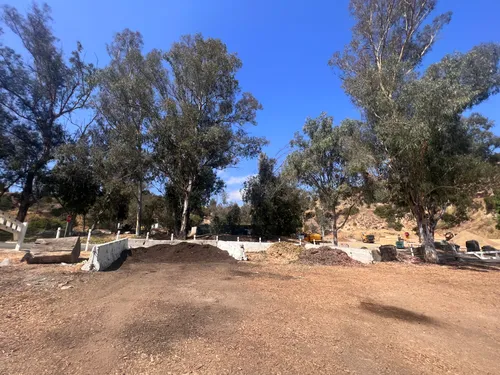
Griffith Park Composting Facility
5400 Griffith Park Dr, Los Angeles, CA 90027
Griffith Park Composting Facility provides food waste composting services primarily for restaurants in Glendale, CA. The facility specializes in processing organic waste to support sustainable waste management practices in the area.
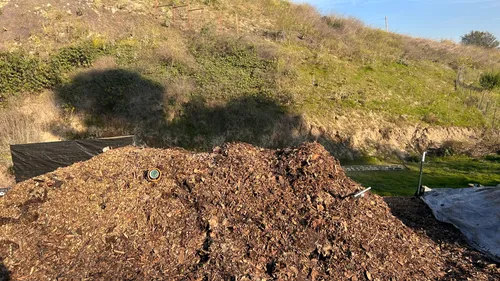
TAWA compost green waste food recycling
4002 Drysdale Ave, Los Angeles, CA 90032
TAWA Compost Green Waste Food Recycling is based in Los Angeles, CA, providing food waste and composting services primarily for restaurants and commercial clients. They offer drop-off options for commercial food waste, green waste, and residential waste, as well as onsite waste management and emergency food waste pickup available 24/7. Founded during the COVID-19 pandemic, TAWA Compost began as a food rescue initiative to address food insecurity and now focuses on turning inedible food into nutrient-rich compost. They also conduct workshops to educate the community on reducing waste and maximizing resources.
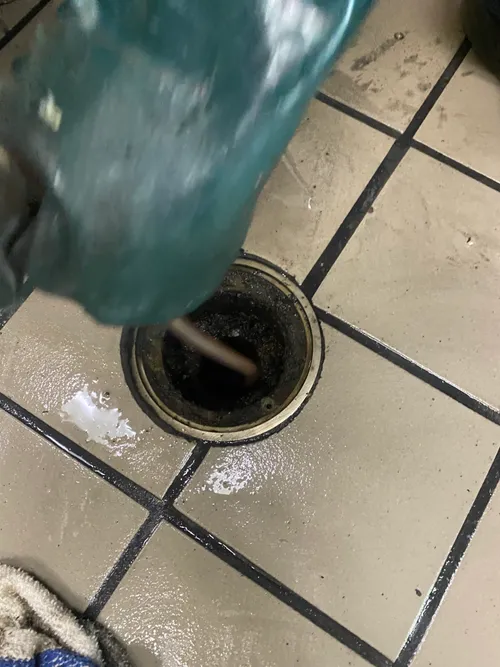
Royal Pumping and Jetting
Los Angeles, CA
Royal Pumping and Jetting provides a comprehensive range of pumping and jetting services for restaurants and hospitality businesses in Los Angeles, CA. Their offerings include grease trap and interceptor cleaning, waste kitchen oil removal, hydro jetting, grease trap repair, high-pressure washing, and complete plumbing services. The company has been serving Los Angeles, Orange County, and San Bernardino since 2008, with a team of certified experts skilled in handling various pump and blast operations. They also offer 24/7 availability to meet urgent service needs.

CR & R Inc
12739 Lakeland Rd, Santa Fe Springs, CA 90670
CR & R Inc provides food waste and composting services for restaurants in La Mirada, CA. The company focuses on sustainable solid waste and recycling solutions, operating advanced materials processing centers and using alternative fuel vehicles to reduce environmental impact. With over three decades of experience, CR & R Inc has developed a state-of-the-art anaerobic digester to process organic waste and produce renewable natural gas, supporting cleaner air and greener practices in the region.
Understanding SB 1383: The Mandate for Monterey Park Restaurants
California's Short-Lived Climate Pollutant Reduction Strategy (SB 1383) sets ambitious targets to reduce landfill emissions of methane, a potent greenhouse gas. A key provision requires all "covered" businesses, including every restaurant in Monterey Park, to separate organic waste from their regular trash stream. This isn't a voluntary program; it's a legal obligation with enforcement mechanisms. The law aims to redirect food scraps, food-soiled paper, and other compostable materials from landfills to composting or anaerobic digestion facilities, turning waste into a resource like soil amendment or renewable energy.
For restaurant operators, this means your establishment is directly responsible for implementing a compliant organics recycling program. The mandate covers all organic material generated in your kitchen and dining area, from pre-consumer prep scraps to post-consumer plate waste. Compliance is monitored, and failure to properly separate organics can result in significant penalties. The City of Monterey Park and its contracted waste hauler provide the framework and services, but the onus is on each business to execute the program correctly.
Setting Up Your Restaurant's Three-Stream System
To comply, Monterey Park restaurants must transition to a three-bin waste separation system. This involves distinct containers for landfill trash (black/grey), recyclables (blue), and organics (green) 1.
- Organic Waste (Green Containers): This is your new food scrap stream. The city or your waste provider will supply commercial green carts (typically 64-gallon wheeled bins) for collection. For establishments with high volume, customer-provided compactors dedicated to organics may be necessary. Inside your kitchen, provide small, lidded pails for staff to collect food scraps during prep and clean-up.
- Recycling (Blue Containers): Continue using blue bins for clean cardboard, bottles, cans, and other acceptable recyclables.
- Landfill Trash (Black/Grey Containers): This stream should shrink significantly, as it now only contains true, non-recyclable, non-compostable waste.
Your waste hauler will assign a weekly pickup schedule for the green organics cart. Frequent collection is standard to manage odors and pests and to accommodate the high volume of food waste a restaurant generates 2. You must ensure all containers are clearly labeled and accessible for both staff and collection crews.
The Critical Role of Customer Bins
A unique requirement for restaurants under SB 1383 is providing accessible organics collection for customers. You must place clearly marked green bins next to your trash and recycling bins in any customer-facing disposal area, such as near a counter or in a dining room. Clear signage is crucial to guide patrons on what goes where, helping to reduce contamination-a major issue for processors. Educating your customers through simple signs not only aids compliance but also demonstrates your commitment to sustainability.
What Goes In the Green Bin? A Guide for Kitchen Staff
Proper sorting is the backbone of a successful program. Contamination with plastics or other non-compostables can result in rejected loads and fines.
YES - These items go in the GREEN organics bin:
- All food scraps: Fruits, vegetables, bread, pasta, grains.
- Proteins: Meat, fish, poultry, bones, shells, and dairy products (cheese, yogurt).
- Coffee grounds and paper filters.
- Food-soiled paper: Napkins, paper plates, pizza boxes (without wax coating), uncoated paper takeout containers.
- Baked goods and spoiled food.
NO - These are CONTAMINANTS and must stay out:
- Plastic bags (unless certified compostable), plastic wrap, or packaging.
- Utensils, straws, or any serviceware (even if labeled "biodegradable").
- Styrofoam™ or other foam products.
- Glass, metal, or aluminum foil.
- Liquids, oils, or grease 3 4.
Pro Tip for Kitchens: Lining your small kitchen pails with clear plastic bags is often recommended. This allows waste sorters at the processing facility to easily identify contaminants, keeps pails cleaner, and simplifies transfer to the large outdoor cart. Always check with your specific provider for their bagging preferences 5.
Find the perfect composting & food waste companies for your needs
Get personalized recommendations and expert advice
Training Your Team for Success and Compliance
Employee training is not just a good practice-it's a mandated component of SB 1383 compliance 6. Every staff member who handles waste, from dishwashers to bussers to chefs, must understand the sorting guidelines. Effective training reduces contamination, improves efficiency, and protects your business from penalties.
Develop a simple, visual training program. Use photos and examples of your actual waste streams. Conduct hands-on demonstrations during onboarding and provide periodic refreshers. Place clear, multilingual signage above all waste stations in both front-of-house and back-of-house areas. Empowering your team with knowledge turns compliance from a chore into a shared mission and ensures the system works smoothly during busy service times.
Understanding Costs and Service Providers
Implementing organics recycling will impact your waste service costs. Typically, you are adding a third service stream (organics), which involves an additional charge. However, because you are diverting a heavy, wet material (food scraps) from your landfill bin, you may be able to reduce the size or pickup frequency of your trash service, potentially offsetting some of the new cost 7.
Costs are based on container size (e.g., 64-gallon cart vs. 1-yard dumpster) and pickup frequency. In Monterey Park, Waste Management (Monterey Disposal Service) is a primary provider of commercial organic waste services. Rates are tiered, and the most accurate way to understand your specific pricing is to contact them directly for a quote based on your restaurant's volume and needs.
Self-Hauling Option: Businesses can register as self-haulers, meaning they would transport their own separated organic waste to a certified facility 8. This requires formal registration with the city and meticulous record-keeping to prove the organics reached their proper destination. For most restaurants, using the curbside collection service is far more practical.
Taking the Next Step: How to Get Started
If your restaurant hasn't yet established a compliant organics recycling program, the time to act is now. Begin by assessing your current waste generation to estimate the volume of food scraps you produce. This will help determine the size of the green organics container you need.
Your first official step should be to contact Waste Management (Monterey Disposal Service) to discuss service options, request containers, and get a precise cost quote 9 10. You can also reach out to the City of Monterey Park's Public Works Department for guidance on local regulations and compliance 11 12. They can provide official signage and educational materials to support your program setup.
Implementing a robust food waste diversion system is a proactive step toward regulatory compliance, cost management, and environmental stewardship. By mastering the rules and setting up an efficient process, your Monterey Park restaurant can turn food waste from a liability into a positive part of your operational routine.
Frequently asked questions
Sources
Footnotes
-
Composting Organic Waste in Santa Cruz County: Time for a ... - https://www.santacruzcountyca.gov/Portals/0/County/GrandJury/GJ2015_final/CompostingOrganicWasteWithResponses.pdf ↩
-
RESIDENTIAL FOOD SCRAP COLLECTION - City of Monterey Park - https://www.montereypark.ca.gov/DocumentCenter/View/12614 ↩
-
Food Scraps Now Go in the Green Cart - City of Monterey - https://monterey.gov/Document-Center/Departments/Community-Development/Sustainability/SB-1383-Food-Scrap-Composting.pdf?t=202509301228380 ↩
-
In 2022, everyone in California will be required to compost food ... - https://www.montereycountynow.com/news/local_news/in-2022-everyone-in-california-will-be-required-to-compost-food-scraps/article_1c43f916-68e4-11ec-babe-d7ebfc316f74.html ↩
-
Food Scraps Now Go In the Green Cart! - Pacific Grove - https://www.cityofpacificgrove.gov/news_detail_T3_R291.php ↩
-
Statewide Mandatory Organic Waste Collection - CalRecycle - https://calrecycle.ca.gov/organics/slcp/collection/ ↩
-
INSIDE SOLID WASTE - LA County Public Works - https://dpw.lacounty.gov/epd/tf/isw/isw_2024_12.pdf ↩
-
SB 1383 - Mandatory Organics Recycling | County of Monterey, CA - https://www.countyofmonterey.gov/government/departments-a-h/health/environmental-health/recycling/residential-waste/sb-1383-curbside-food-scrap-collection ↩
-
Businesses - Monterey Disposal Service - http://www.montereydisposal.com/our-services/businesses ↩
-
County of Ventura Service Guide - https://www.wm.com/content/dam/wm/local-pages/california/VenturaCounty/CountyofVenturaServiceGuide.pdf ↩
-
Mandatory Organics Recycling - City of Monterey Park - https://www.montereypark.ca.gov/1120/Organics-Recycling ↩
-
Solid Waste, Recycling, and Organics Waste - Official Website - https://www.montereypark.ca.gov/552/Solid-Waste-Recycling-and-Organics-Waste ↩