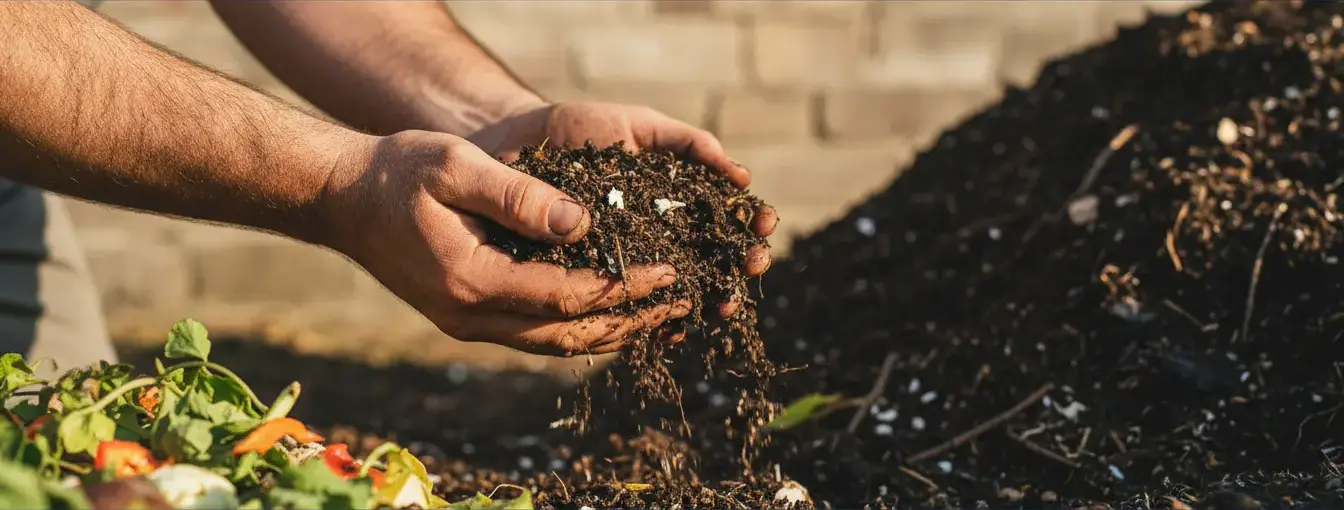
Find the Best Composting & Food Waste Companies for Your Business
No obligation • Fast responses • Nationwide coverage

Why you can trust Restaurant Waste Disposal
Restaurant Waste Disposal is a leading U.S. resource for comparing restaurant composting, food-waste recycling, grease trap cleaning, and used cooking oil collection services. Our editorial team researches providers, checks credentials, and organizes unbiased information so operators can make informed decisions. Companies cannot pay to change ratings or placement.
Search providers near you
Top Composting & Food Waste Companies in Lynwood, California Ranked
For restaurant owners and food service operators in Lynwood, managing organic waste is no longer just an environmental consideration-it's a legal requirement. California's landmark SB 1383 mandates that all businesses, including restaurants, separate their food scraps, soiled paper, and yard trimmings from the general trash stream for recycling. This statewide organics recycling law is designed to dramatically reduce greenhouse gas emissions from landfills by diverting organic material to composting or anaerobic digestion facilities. In Lynwood, compliance involves partnering with your designated waste hauler to set up the proper containers and educating both your staff and customers on proper sorting. Successfully navigating these regulations not only avoids potential fines but also positions your business as a responsible community partner in California's climate goals.
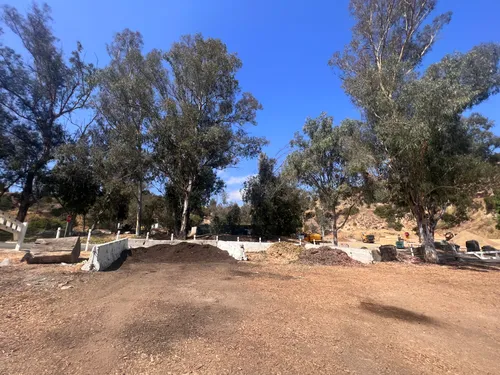
Griffith Park Composting Facility
5400 Griffith Park Dr, Los Angeles, CA 90027
Griffith Park Composting Facility provides food waste composting services primarily for restaurants in Glendale, CA. The facility specializes in processing organic waste to support sustainable waste management practices in the area.
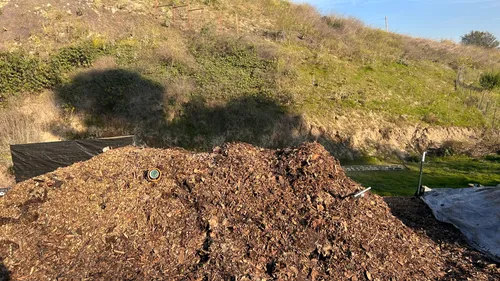
TAWA compost green waste food recycling
4002 Drysdale Ave, Los Angeles, CA 90032
TAWA Compost Green Waste Food Recycling is based in Los Angeles, CA, providing food waste and composting services primarily for restaurants and commercial clients. They offer drop-off options for commercial food waste, green waste, and residential waste, as well as onsite waste management and emergency food waste pickup available 24/7. Founded during the COVID-19 pandemic, TAWA Compost began as a food rescue initiative to address food insecurity and now focuses on turning inedible food into nutrient-rich compost. They also conduct workshops to educate the community on reducing waste and maximizing resources.
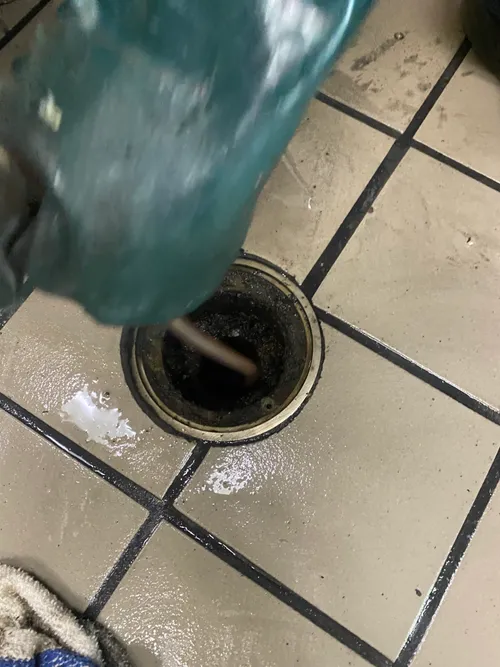
Royal Pumping and Jetting
Los Angeles, CA
Royal Pumping and Jetting provides a comprehensive range of pumping and jetting services for restaurants and hospitality businesses in Los Angeles, CA. Their offerings include grease trap and interceptor cleaning, waste kitchen oil removal, hydro jetting, grease trap repair, high-pressure washing, and complete plumbing services. The company has been serving Los Angeles, Orange County, and San Bernardino since 2008, with a team of certified experts skilled in handling various pump and blast operations. They also offer 24/7 availability to meet urgent service needs.

CR & R Inc
12739 Lakeland Rd, Santa Fe Springs, CA 90670
CR & R Inc provides food waste and composting services for restaurants in La Mirada, CA. The company focuses on sustainable solid waste and recycling solutions, operating advanced materials processing centers and using alternative fuel vehicles to reduce environmental impact. With over three decades of experience, CR & R Inc has developed a state-of-the-art anaerobic digester to process organic waste and produce renewable natural gas, supporting cleaner air and greener practices in the region.
Understanding SB 1383: Lynwood's Mandatory Organics Recycling
The core driver behind the new protocols for food scraps and yard waste is Senate Bill 1383. This law sets ambitious targets to reduce the amount of organic waste disposed in California landfills by 75% by 2025 1. For Lynwood restaurants, this translates to a non-negotiable requirement: you must subscribe to and properly use an organic waste collection service. The law casts a wide net, encompassing all businesses that generate organic waste, making compliance essential for every eatery, from quick-service cafes to full-service dining establishments 2.
The "why" behind the mandate is rooted in environmental science. When food waste and other organics decompose in an oxygen-starved landfill, they produce methane, a potent greenhouse gas with over 25 times the heat-trapping capacity of carbon dioxide. By diverting these materials to composting or anaerobic digestion, we can transform waste into beneficial products like soil amendments and renewable energy, closing the loop in a more sustainable cycle. The City of Lynwood provides clear guidelines to help businesses understand their role in this critical statewide effort.
What Exactly Needs to Be Separated?
Proper source separation is the foundation of a successful organics recycling program. Knowing what goes into the organics cart versus the trash or recycling bin is crucial to avoid contamination, which can disrupt the processing facility and lead to service issues.
Accepted Materials in Your Organics Cart (Green/Black Cart):
- Food Scraps: All food waste, including fruits, vegetables, meat, bones, dairy, bread, pasta, and plate scrapings.
- Food-Soiled Paper: Items like used napkins, paper towels, pizza boxes, coffee filters, and uncoated paper plates.
- Yard Trimmings: Grass clippings, leaves, small branches, and flowers.
- Compostable Liners & Serviceware: Only if they are certified compostable (look for BPI certification).
Common Contaminants to Keep Out:
- Plastic Bags (unless they are certified compostable).
- Styrofoam and plastic utensils.
- Glass, metal, or aluminum foil.
- Liquids, oils, or hazardous chemicals.
- Traditional plastic packaging or wrappers.
Contamination is actively monitored by haulers. Bins with incorrect materials may be tagged with an educational notice, and repeat offenses can result in service changes or enforcement actions, including fines. Keeping your organics stream clean ensures the collected material can be successfully processed.
Required Customer-Facing Bins (AB 827)
A key component of the law that directly impacts restaurant operations is Assembly Bill 827. This regulation requires that businesses, including full-service restaurants, provide organic waste and recycling collection containers that are accessible to customers, in addition to employees 3.
This means:
- Labeled Bins: Clearly marked containers for organics (compost/food scraps) and recyclables must be placed next to all trash receptacles in public areas, such as dining rooms, waiting areas, and patios.
- Consistent Service: Even if your staff primarily handles busing tables, you must still offer customers the option to sort their own disposables at designated stations.
- Signage: Educational signs indicating what goes in each bin are highly recommended to guide proper disposal and reduce contamination.
This requirement ensures that waste diversion continues from the kitchen to the front-of-house, maximizing the amount of material kept out of the landfill.
Service Providers and Getting Started
In Lynwood, organic waste collection for businesses is typically managed through the city's contracted commercial waste haulers. The primary providers are Waste Management (WM) and Waste Resources. These companies are responsible for supplying the appropriate carts, establishing pickup schedules, and transporting the material to permitted processing facilities.
To initiate or verify your service:
- Contact Your Hauler: Reach out directly to Waste Management or Waste Resources to confirm your account details, request additional organics carts, or discuss your current service level.
- Assess Your Needs: Work with the provider to determine the right container sizes (e.g., 32-gallon, 64-gallon, or 96-gallon carts) and pickup frequency (weekly or bi-weekly) based on your establishment's volume of organic waste.
- Request a Quote: Service costs are integrated into your overall commercial waste bill and are influenced by container size and collection frequency. You must contact the provider directly for a detailed quote tailored to your business.
Find the perfect composting & food waste companies for your needs
Get personalized recommendations and expert advice
Container Management and Collection Schedules
Your hauler will provide designated carts for organic material. These are often green or black carts distinct from your blue recycling and gray trash containers. It's vital to place these carts in the designated pickup location on your scheduled service day.
Collection schedules are set by your service provider but generally follow a weekly or bi-weekly rhythm for organics, similar to trash and recycling. Schedules can be adjusted if contamination becomes a persistent problem, so maintaining a clean stream is in your operational interest 4. Ensure your staff knows the pickup day and that carts are accessible and not blocked by vehicles or other obstacles.
Costs and Compliance Investment
Investing in organics recycling is a mandatory cost of doing business in California under SB 1383. While adding a new waste stream may increase your overall waste management bill compared to trash-only service, the alternative-non-compliance-carries the risk of significant penalties. The exact pricing is not fixed and varies by vendor based on the specific service package (bin size and pickup frequency) you require 5.
Viewing this as part of your operational overhead, similar to utilities or licensing, is the most practical approach. The cost supports the local and state infrastructure needed to process organic waste responsibly. For the most accurate and current pricing, a direct quote from your waste hauler is essential.
Building an Effective In-House Program
Successful compliance goes beyond just putting out a new bin. It requires training and engagement from your entire team.
- Staff Training: Conduct regular training sessions for kitchen and front-of-house staff on what materials go in which bin. Use visual aids and consider a brief sorting quiz.
- Bin Placement: Place clearly labeled collection containers in all key areas: prep stations, dish pits, behind the bar, and in customer areas as required by AB 827.
- Start Simple: Begin by focusing on major, easy-to-capture streams like prep trimmings and plate scrapings before expanding to more nuanced items.
- Monitor and Adjust: Designate a sustainability lead to periodically check bins for contamination and provide feedback to the team.
By integrating these practices, you turn a regulatory requirement into a point of operational efficiency and pride.
The Broader Impact: Beyond Compliance
Participating in Lynwood's organics recycling program does more than just check a legal box. It contributes to a circular economy where food waste is transformed into nutrient-rich compost that can enrich local soils and support agriculture. It reduces the strain on local landfills and helps California combat climate change. For your restaurant, it can also be a powerful story to share with increasingly eco-conscious customers, enhancing your brand's reputation as a business that cares for its community and environment.
Frequently asked questions
Sources
Footnotes
-
SB 1383 - New Statewide Mandatory Organic Waste Collection Regulation - https://www.wm.com/content/dam/wm/assets/sb1383/preparing-for-california-sb1383.pdf ↩
-
Mandatory Commercial & Organics Recycling - Lynwood, CA - https://www.lynwoodca.gov/213/Mandatory-Commercial-Organics-Recycling ↩
-
Assembly Bill AB 827 | Lynwood, CA - https://www.lynwoodca.gov/210/Assembly-Bill-AB-827 ↩
-
CHAPTER 8.20. - SOLID WASTE COLLECTION AND DISPOSAL | Code of Ordinances | Rancho Palos Verdes, CA - https://library.municode.com/ca/rancho_palos_verdes/codes/code_of_ordinances?nodeId=TIT8HESA_CH8.20SOWACODI_ARTVIIEN_8.20.460VIPE ↩
-
Commercial Waste Pickup in Lynwood, CA - https://wasteresources.com/commercial/lynwood/services/ ↩