Find the Best Composting & Food Waste Companies for Your Business
No obligation • Fast responses • Nationwide coverage

Why you can trust Restaurant Waste Disposal
Restaurant Waste Disposal is a leading U.S. resource for comparing restaurant composting, food-waste recycling, grease trap cleaning, and used cooking oil collection services. Our editorial team researches providers, checks credentials, and organizes unbiased information so operators can make informed decisions. Companies cannot pay to change ratings or placement.
Search providers near you
Top Composting & Food Waste Companies in La Habra, California Ranked
For restaurants and food service businesses in La Habra, managing organic waste is no longer just an environmental best practice-it's a state-mandated requirement. California's SB 1383 law has transformed how commercial entities must handle food scraps, soiled paper, and yard trimmings, requiring them to be separated from the general trash stream for recycling. This shift towards mandatory organic waste recycling is designed to dramatically reduce greenhouse gas emissions from landfills, turning what was once trash into valuable compost or renewable energy. In La Habra, compliance means partnering with designated haulers, setting up a new system of color-coded bins, and educating both staff and customers. While it represents a change in operations, effective food waste diversion can also lead to a clearer understanding of waste streams and potential cost management by optimizing trash service levels.
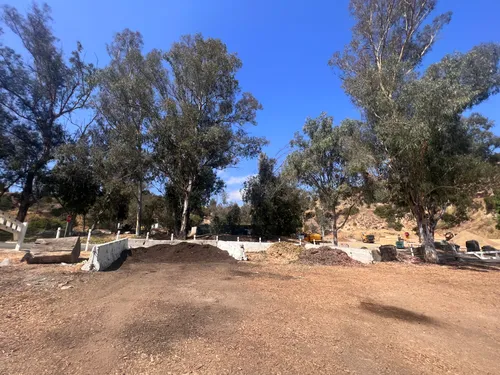
Griffith Park Composting Facility
5400 Griffith Park Dr, Los Angeles, CA 90027
Griffith Park Composting Facility provides food waste composting services primarily for restaurants in Glendale, CA. The facility specializes in processing organic waste to support sustainable waste management practices in the area.
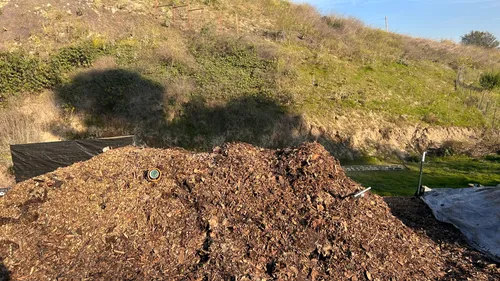
TAWA compost green waste food recycling
4002 Drysdale Ave, Los Angeles, CA 90032
TAWA Compost Green Waste Food Recycling is based in Los Angeles, CA, providing food waste and composting services primarily for restaurants and commercial clients. They offer drop-off options for commercial food waste, green waste, and residential waste, as well as onsite waste management and emergency food waste pickup available 24/7. Founded during the COVID-19 pandemic, TAWA Compost began as a food rescue initiative to address food insecurity and now focuses on turning inedible food into nutrient-rich compost. They also conduct workshops to educate the community on reducing waste and maximizing resources.
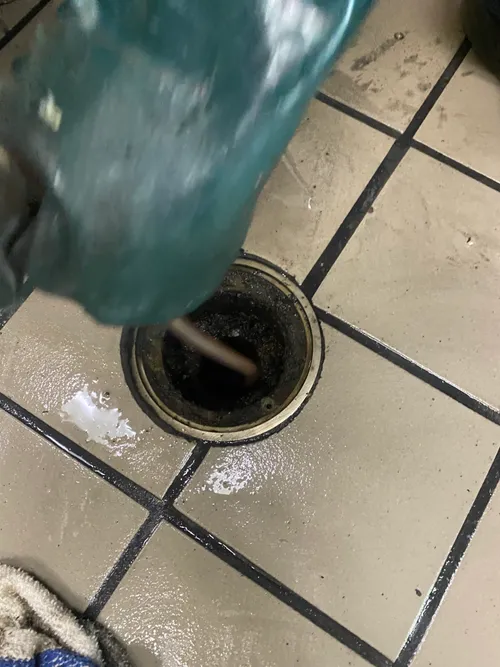
Royal Pumping and Jetting
Los Angeles, CA
Royal Pumping and Jetting provides a comprehensive range of pumping and jetting services for restaurants and hospitality businesses in Los Angeles, CA. Their offerings include grease trap and interceptor cleaning, waste kitchen oil removal, hydro jetting, grease trap repair, high-pressure washing, and complete plumbing services. The company has been serving Los Angeles, Orange County, and San Bernardino since 2008, with a team of certified experts skilled in handling various pump and blast operations. They also offer 24/7 availability to meet urgent service needs.

CR & R Inc
12739 Lakeland Rd, Santa Fe Springs, CA 90670
CR & R Inc provides food waste and composting services for restaurants in La Mirada, CA. The company focuses on sustainable solid waste and recycling solutions, operating advanced materials processing centers and using alternative fuel vehicles to reduce environmental impact. With over three decades of experience, CR & R Inc has developed a state-of-the-art anaerobic digester to process organic waste and produce renewable natural gas, supporting cleaner air and greener practices in the region.
Understanding SB 1383: The Law Behind the Bins
The cornerstone of organic waste management in La Habra is Senate Bill 1383 (SB 1383), a statewide regulation enacted to reduce short-lived climate pollutants. The law specifically targets methane emissions from decomposing food and yard waste in landfills, which are a significant contributor to climate change. For businesses, including all restaurants, cafes, and grocery stores generating commercial solid waste, this translates into a legal obligation to subscribe to and participate in organic waste recycling services 1. The mandate is comprehensive: you must provide the service, properly separate materials, and use the correct containers. Non-compliance is not an option, as local jurisdictions are responsible for enforcement and can issue penalties, though education is often the first step 2. The goal is to ensure that edible food is recovered for people in need whenever possible, and the remaining inedible organic material is recycled.
What Must Be Separated? Your Organic Waste Stream
Knowing exactly what materials belong in your organic recycling bin is critical for avoiding contamination and ensuring the collected waste can be successfully processed. The rules are specific but designed to capture the broad spectrum of waste generated in a commercial kitchen.
Acceptable Food Scraps & Kitchen Organics:
- All food leftovers, including fruits, vegetables, meat, bones, fish, dairy products, and bread.
- Coffee grounds and used paper filters.
- Food-soiled paper products, such as napkins, paper towels, pizza boxes, and uncoated paper plates.
- Certified compostable bags and serviceware (look for the BPI logo).
- Tea bags (without staples).
Unacceptable Contaminants in Kitchen Organics:
- Any plastic, glass, or metal packaging.
- Aluminum foil or foil wrap.
- Styrofoam or plastic utensils.
- Rubber bands, twist ties, or any non-compostable materials.
For businesses with landscaping, yard waste is also part of the organic stream. Acceptable materials include grass clippings, leaves, weeds, flowers, and small prunings. Notably, palm fronds are not accepted in the yard waste bin due to their fibrous nature, which can damage processing equipment.
The Color-Coded System: Setting Up Your Bins
Compliance hinges on a simple, visual system: color-coded containers. This system must be implemented in both customer-facing (front-of-house) and staff-only (back-of-house) areas to facilitate proper sorting by everyone on your premises.
Front-of-House (Public Areas): You are required to provide three distinct containers in all public areas, except restrooms:
- Green Container: Labeled for "Organics" or "Compost." This is for food scraps, food-soiled paper, and compostable serviceware.
- Blue Container: Labeled for "Recycling." This is for clean bottles, cans, paper, and cardboard.
- Grey or Black Container: Labeled for "Landfill" or "Trash." This is only for items that cannot be recycled or composted.
Back-of-House (Kitchen & Prep Areas): The same separation must happen behind the scenes. While using the standard green, blue, and black/grey colors is ideal, the city provides some flexibility. Existing functional containers can be used if they are clearly and permanently labeled with their intended stream (e.g., "ORGANICS ONLY," "RECYCLING ONLY," "LANDFILL") 3. This labeling exception helps businesses utilize their current infrastructure while still meeting the requirement for proper separation.
Partnering for Pickup: Hauler Services in La Habra
The City of La Habra has contracted with CR&R Environmental Services (CR&R) as the primary waste hauler for its mandatory organics recycling program. As a business, you will work directly with CR&R to establish or confirm your service levels. This involves determining the appropriate size and number of containers for organics, recycling, and trash based on your volume of waste. Pickup frequency-whether weekly, bi-weekly, or more often-is also coordinated to match your generation rates and ensure bins do not overflow. It is essential to contact CR&R to review your current service agreement and ensure your organic waste collection is properly set up to meet the SB 1383 mandate.
Find the perfect composting & food waste companies for your needs
Get personalized recommendations and expert advice
Managing Costs and Potential Savings
Implementing organic waste recycling is a required operational cost under SB 1383. Your business will be charged for the organic recycling service, similar to your existing trash and recycling fees. The exact cost varies depending on your hauler, the size of your containers, and the frequency of pickup 4 5. However, this new cost can be strategically managed. By diligently separating organics and recyclables, many businesses find they can significantly reduce the volume of material going into their landfill (black/grey) bin. You may then have the opportunity to downsize your trash container or reduce trash pickup frequency, which can offset some of the cost of the new organic service. Viewing waste as three separate streams-organics, recycling, and landfill-provides a clearer picture for managing overall service expenses 6.
A Step-by-Step Action Plan for Restaurants
- Contact Your Hauler: Reach out to CR&R Environmental Services to confirm your organic waste service is active and discuss your specific container and pickup needs 7.
- Audit Your Space: Walk through your dining area and kitchen to identify where bins need to be placed for customers and staff. Ensure you have enough containers to make sorting convenient.
- Acquire and Label Bins: Obtain the necessary green, blue, and black/grey containers. Clearly label all bins with what belongs inside, using both words and pictures for maximum clarity.
- Train Your Team: Comprehensive staff education is the single most important factor for success. Hold training sessions to explain why the program is important and exactly what goes in each bin. Make sure every employee, from dishwashers to servers, understands the system.
- Monitor and Maintain: Designate a staff member to periodically check bins for contamination. Clear signage and ongoing reminders will help keep the system clean and effective, ensuring your organic waste is recycled properly.
Frequently asked questions
Sources
Footnotes
-
Organics Recycling | La Habra, CA - Official Website - https://www.lahabraca.gov/1206/Mandatory-Organics-Recycling ↩
-
California compost law: Throwing away food scraps could bring a fine ... - https://www.kcra.com/article/california-2024-law-recycling-food-waste-composting/46256813 ↩
-
SB1383 Business Requirements - Public Works - City of Burbank - https://www.burbankca.gov/web/public-works/sb1383-business-requirements ↩
-
Statewide Mandatory Organic Waste Collection - CalRecycle - https://calrecycle.ca.gov/organics/slcp/collection/ ↩
-
Recycling Programs and SB 1383 | La Habra, CA - Official Website - https://www.lahabraca.gov/191/CommercialMulti-Family-Collection-Servic ↩
-
State Law SB 1383: Food recovery requirements - SF Environment - https://www.sfenvironment.org/SB-1383 ↩
-
Businesses - https://crrwasteservices.com/cities/california/county-of-orange/city-of-la-habra/businesses/ ↩