Find the Best Composting & Food Waste Companies for Your Business
No obligation • Fast responses • Nationwide coverage

Why you can trust Restaurant Waste Disposal
Restaurant Waste Disposal is a leading U.S. resource for comparing restaurant composting, food-waste recycling, grease trap cleaning, and used cooking oil collection services. Our editorial team researches providers, checks credentials, and organizes unbiased information so operators can make informed decisions. Companies cannot pay to change ratings or placement.
Search providers near you
Top Composting & Food Waste Companies in Huntington Park, California Ranked
For restaurants and food service businesses in Huntington Park, managing organic waste is no longer just an environmental consideration-it's a legal requirement. California's landmark SB 1383 mandates that all commercial entities, including every restaurant, participate in an organics recycling program. This law is designed to dramatically reduce the amount of food scraps, food-soiled paper, and yard waste sent to landfills, where they decompose and release potent greenhouse gases. In Huntington Park, compliance means working with the city's franchised waste hauler to properly sort and dispose of organic materials, while larger generators must also establish edible food donation programs. Navigating these new rules is essential for both avoiding potential fines and contributing to the state's ambitious climate goals.
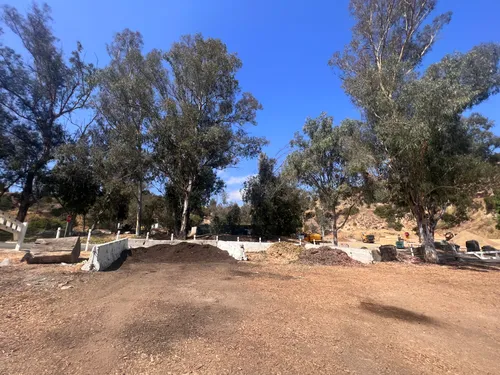
Griffith Park Composting Facility
5400 Griffith Park Dr, Los Angeles, CA 90027
Griffith Park Composting Facility provides food waste composting services primarily for restaurants in Glendale, CA. The facility specializes in processing organic waste to support sustainable waste management practices in the area.
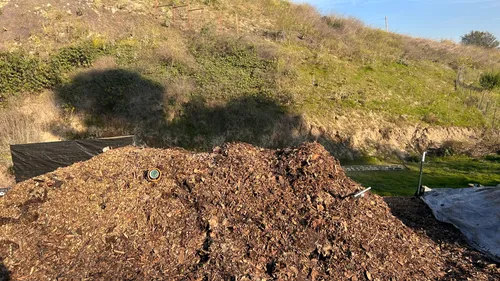
TAWA compost green waste food recycling
4002 Drysdale Ave, Los Angeles, CA 90032
TAWA Compost Green Waste Food Recycling is based in Los Angeles, CA, providing food waste and composting services primarily for restaurants and commercial clients. They offer drop-off options for commercial food waste, green waste, and residential waste, as well as onsite waste management and emergency food waste pickup available 24/7. Founded during the COVID-19 pandemic, TAWA Compost began as a food rescue initiative to address food insecurity and now focuses on turning inedible food into nutrient-rich compost. They also conduct workshops to educate the community on reducing waste and maximizing resources.
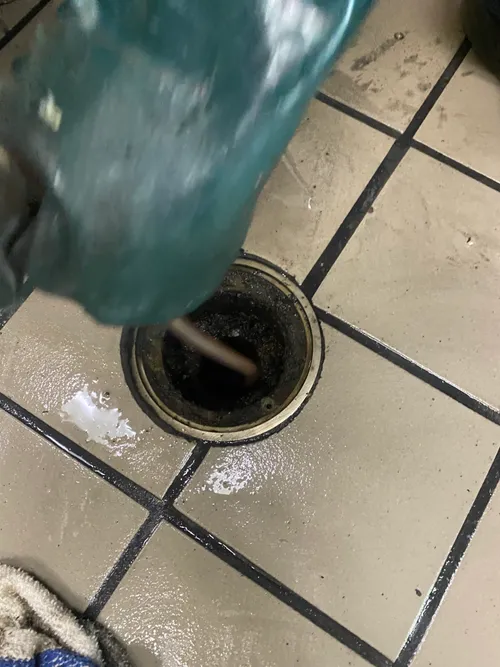
Royal Pumping and Jetting
Los Angeles, CA
Royal Pumping and Jetting provides a comprehensive range of pumping and jetting services for restaurants and hospitality businesses in Los Angeles, CA. Their offerings include grease trap and interceptor cleaning, waste kitchen oil removal, hydro jetting, grease trap repair, high-pressure washing, and complete plumbing services. The company has been serving Los Angeles, Orange County, and San Bernardino since 2008, with a team of certified experts skilled in handling various pump and blast operations. They also offer 24/7 availability to meet urgent service needs.

CR & R Inc
12739 Lakeland Rd, Santa Fe Springs, CA 90670
CR & R Inc provides food waste and composting services for restaurants in La Mirada, CA. The company focuses on sustainable solid waste and recycling solutions, operating advanced materials processing centers and using alternative fuel vehicles to reduce environmental impact. With over three decades of experience, CR & R Inc has developed a state-of-the-art anaerobic digester to process organic waste and produce renewable natural gas, supporting cleaner air and greener practices in the region.
Understanding SB 1383: California's Mandatory Organics Recycling Law
The foundation of Huntington Park's organic waste management system is Senate Bill 1383. This statewide regulation, which took full effect in 2022, sets targets to reduce organic waste disposal by 75% and rescue at least 20% of currently disposed edible food for human consumption by 2025 1 2. For local businesses, this translates into a non-negotiable obligation to separate organic materials from the regular trash stream.
The law defines "organic waste" broadly to include:
- All food scraps, including meat, bones, dairy, fruits, vegetables, and coffee grounds.
- Food-soiled paper products like napkins, paper towels, pizza boxes, and compostable paper plates.
- Yard and landscape trimmings.
- Non-hazardous wood and compostable products certified to break down in a commercial facility 3.
The City of Huntington Park enforces this mandate for its commercial sector, requiring participation through its established waste collection framework.
What Huntington Park Restaurants Must Do: A Step-by-Step Guide
Compliance involves more than just putting out a different bin. Here's a breakdown of the key actions required for food service businesses in Huntington Park.
1. Subscribe to Organics Collection Service
Your first step is to contact the city or your designated waste hauler to establish commercial organics recycling service. Huntington Park provides trash and recycling services through a franchised hauler, and your organic waste collection will be arranged through this same channel. You will be provided with a dedicated green cart for your food scraps and other compostable materials.
2. Implement Comprehensive Sorting Systems
Proper sorting is the cornerstone of compliance. You must set up a system that captures organic waste at its source:
- Back-of-House (BOH): Place labeled green bins in prep areas, near dish pits, and anywhere food waste is generated. Train kitchen and cleaning staff thoroughly on what belongs in the green bin versus the trash or recycling.
- Front-of-House (FOH): State law requires that organic waste and recycling containers be made available in all areas where a trash container is placed for customers, except in restrooms. This means your dining area, patio, and any customer-facing waste stations must have a trio of bins: trash, recycling, and organics.
3. Adhere to Strict Contamination Guidelines
Keeping the organic stream clean is critical. Contamination can lead to entire loads being rejected and may result in surcharges or fines. Key rules include:
- No Plastic Bags: Do not use standard plastic bags to line your green bin. Only compostable bags certified for commercial facilities or loose organics are acceptable 4.
- No Trash or Liquids: The green bin is for organic material only. Keep out glass, metal, plastic, and liquids.
- Food-Soiled Paper is Welcome: Items like greasy pizza boxes, paper napkins, and coffee filters can and should go in the green bin when they are mixed with food waste.
4. Establish an Edible Food Recovery Program (If Required)
SB 1383 identifies two tiers of commercial edible food generators. Tier 1 generators, which include supermarkets and large food distributors, were required to start donating in 2022. Tier 2 generators, which as of January 2024 includes restaurants with 250 or more seats, and by 2025 will include restaurants with 5,000+ sq. ft. of facility space, must also arrange for the donation of excess edible food 5. This means partnering with a local food bank or recovery organization to redirect wholesome, unsold food.
Find the perfect composting & food waste companies for your needs
Get personalized recommendations and expert advice
The Logistics of Organics Collection in Huntington Park
Once your system is set up, maintaining compliance involves understanding the practical details of service.
- Container Types & Sizes: Businesses will typically use wheeled green carts, similar to residential bins but in commercial sizes (e.g., 32-gallon, 64-gallon, 96-gallon). The appropriate size depends on your weekly volume of organic waste.
- Pickup Schedules: Collection frequency is determined by your waste hauler based on your service level agreement. This could be weekly, multiple times per week, or even daily for high-volume establishments. It's crucial to know your schedule to ensure bins are placed curbside or in the designated service area on time.
- Costs and Potential Surcharges: Service costs are not fixed by the city and vary based on bin size and pickup frequency. It's important to budget for this new line item in your waste management expenses. Furthermore, non-compliance-such as consistent contamination of the green bin or failure to provide adequate containers-can lead to additional fees or fines.
Benefits Beyond Compliance
While the initial driver is regulatory, implementing a robust food waste diversion program offers tangible benefits for Huntington Park restaurants:
- Potential Cost Savings: By diverting heavy, wet organic waste from your trash bin, you may be able to reduce the size or frequency of your garbage service, potentially offsetting the cost of the new organics service.
- Enhanced Sustainability Profile: Consumers increasingly support businesses with strong environmental practices. Promoting your composting and food donation efforts can strengthen your brand and attract eco-conscious customers.
- Community Contribution: Donating edible food directly addresses food insecurity in the Huntington Park community, creating a positive social impact.
- Environmental Leadership: You are directly participating in California's fight against climate change by reducing methane emissions from landfills.
Getting Started and Finding Resources
Taking the first step is straightforward. The City of Huntington Park's Public Works Department is the primary local resource for information on commercial trash and recycling, including organics 6 7. They can confirm your specific waste hauler and provide guidance.
For detailed statewide rules and educational materials, CalRecycle's website is an invaluable resource, offering FAQs, compliance guides, and toolkits for businesses 8. Additionally, organizations like Recycle Smart provide clear summaries of the law and its requirements 9.
Frequently asked questions
Sources
Footnotes
-
Statewide Mandatory Organic Waste Collection - CalRecycle - CA.gov - https://calrecycle.ca.gov/organics/slcp/collection/ ↩
-
State of California Law # SB 1383 Food & Organic Waste - https://municipalwaste.ca/news/661532/State-of-California-Law--SB-1383-Food--Organic-Waste.htm ↩
-
California Compost Law 2022 - https://www.californiacompostlaw.com/ ↩
-
Commercial Activities | The Official Site of Huntington Park, CA! - https://www.hpca.gov/579/Commercial-Activities ↩
-
SB 1383 - New Statewide Mandatory Organic Waste Collection Regulation - https://www.wm.com/content/dam/wm/assets/sb1383/preparing-for-california-sb1383.pdf ↩
-
Trash Collection | The Official Site of Huntington Park, CA! - https://www.hpca.gov/145/Residential-Trash-Recycling-Collection ↩
-
Commercial Recycling Information | The Official Site of Huntington Park, CA! - https://www.hpca.gov/146/Commercial-Trash-Recycling-Information ↩
-
Frequently Asked Questions - CalRecycle - CA.gov - https://calrecycle.ca.gov/recycle/commercial/organics/faq/ ↩
-
Composting Organics Is Now The Law for Everyone in California! - https://www.recyclesmart.org/sb-1383 ↩