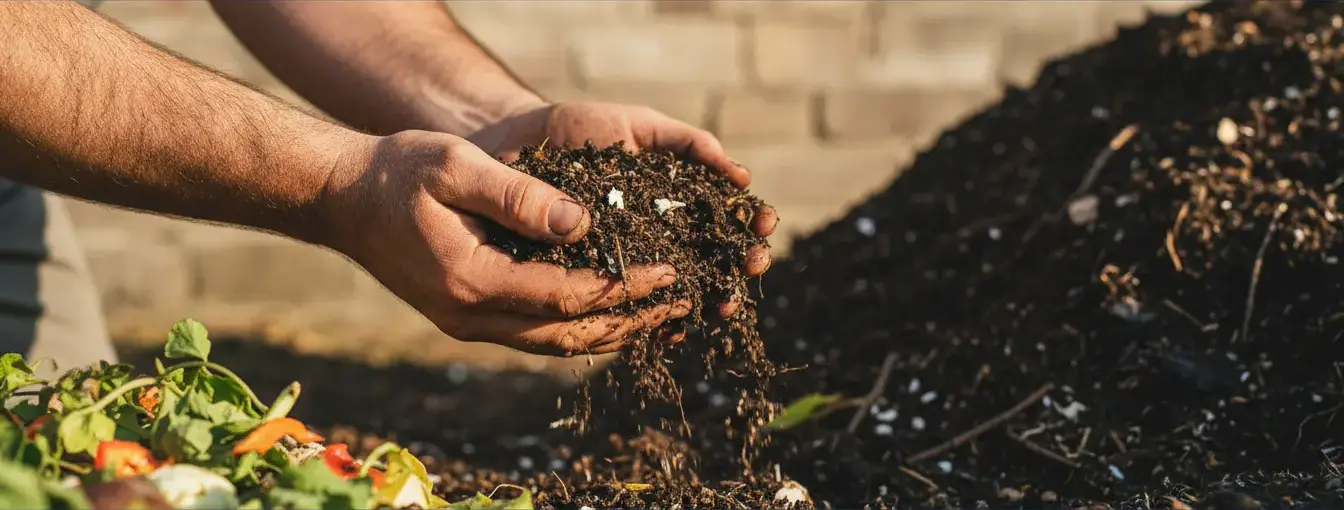
Find the Best Composting & Food Waste Companies for Your Business
No obligation • Fast responses • Nationwide coverage

Why you can trust Restaurant Waste Disposal
Restaurant Waste Disposal is a leading U.S. resource for comparing restaurant composting, food-waste recycling, grease trap cleaning, and used cooking oil collection services. Our editorial team researches providers, checks credentials, and organizes unbiased information so operators can make informed decisions. Companies cannot pay to change ratings or placement.
Search providers near you
Top Composting & Food Waste Companies in Fullerton, California Ranked
For restaurants and food service businesses in Fullerton, managing organic waste is no longer just an environmental best practice-it's a state-mandated requirement. California's SB 1383 mandates that all businesses, including restaurants, separate their food scraps and other compostable materials for dedicated collection. This law aims to drastically reduce the amount of organic material sent to landfills, where it decomposes and releases potent greenhouse gases. In Fullerton, this typically means using designated green carts provided by your waste hauler, with services coordinated through providers like Republic Services. Navigating these new rules involves understanding what can be composted, training your staff, and setting up an efficient system to keep contaminants out of the green bin. Proper organic waste recycling turns a disposal problem into a resource, contributing to the creation of nutrient-rich compost or renewable energy.
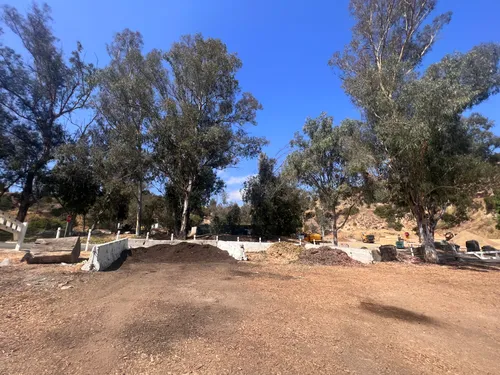
Griffith Park Composting Facility
5400 Griffith Park Dr, Los Angeles, CA 90027
Griffith Park Composting Facility provides food waste composting services primarily for restaurants in Glendale, CA. The facility specializes in processing organic waste to support sustainable waste management practices in the area.
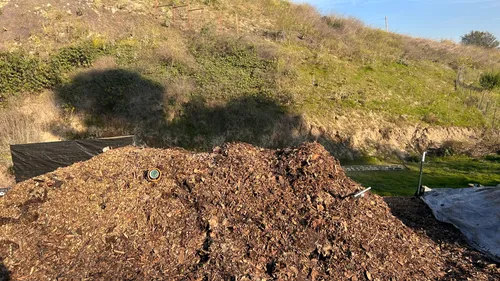
TAWA compost green waste food recycling
4002 Drysdale Ave, Los Angeles, CA 90032
TAWA Compost Green Waste Food Recycling is based in Los Angeles, CA, providing food waste and composting services primarily for restaurants and commercial clients. They offer drop-off options for commercial food waste, green waste, and residential waste, as well as onsite waste management and emergency food waste pickup available 24/7. Founded during the COVID-19 pandemic, TAWA Compost began as a food rescue initiative to address food insecurity and now focuses on turning inedible food into nutrient-rich compost. They also conduct workshops to educate the community on reducing waste and maximizing resources.
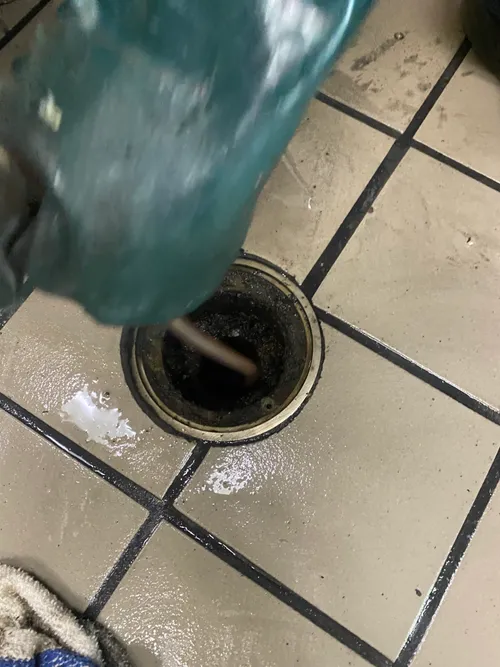
Royal Pumping and Jetting
Los Angeles, CA
Royal Pumping and Jetting provides a comprehensive range of pumping and jetting services for restaurants and hospitality businesses in Los Angeles, CA. Their offerings include grease trap and interceptor cleaning, waste kitchen oil removal, hydro jetting, grease trap repair, high-pressure washing, and complete plumbing services. The company has been serving Los Angeles, Orange County, and San Bernardino since 2008, with a team of certified experts skilled in handling various pump and blast operations. They also offer 24/7 availability to meet urgent service needs.

CR & R Inc
12739 Lakeland Rd, Santa Fe Springs, CA 90670
CR & R Inc provides food waste and composting services for restaurants in La Mirada, CA. The company focuses on sustainable solid waste and recycling solutions, operating advanced materials processing centers and using alternative fuel vehicles to reduce environmental impact. With over three decades of experience, CR & R Inc has developed a state-of-the-art anaerobic digester to process organic waste and produce renewable natural gas, supporting cleaner air and greener practices in the region.
Understanding SB 1383: A Mandate for Fullerton Businesses
The driving force behind the shift in how Fullerton handles food scraps is California Senate Bill 1383. This statewide regulation sets ambitious targets to reduce organic waste disposal by 75% by 2025 1 2. For your restaurant, this translates into a legal obligation to participate in an organics collection service. The mandate applies to all businesses that generate organic waste, with specific requirements for those producing larger volumes 3 4. Initially, enforcement in Fullerton and across the state focuses on education and outreach to help businesses comply 5. However, understanding and implementing a compliant system now is crucial to avoid potential violations and fines down the line. The law is designed not only to divert waste but also to support food recovery efforts, encouraging the donation of edible food before it becomes waste 4.
What Qualifies as Organic Waste in Your Restaurant?
Knowing exactly what goes into the green cart is the first step to a successful and compliant organics recycling program. The acceptable materials are broader than many realize.
What to Compost (Green Cart):
- Food Scraps: All fruit and vegetable trimmings, peels, cores, and spoiled produce.
- Prepared Foods: Leftover cooked foods, bread, pasta, rice, and grains.
- Coffee & Tea: Coffee grounds and filters, as well as tea bags (staples are typically okay).
- Food-Soiled Paper: Paper napkins, paper towels, pizza boxes, paper take-out containers, and uncoated paper plates that are soiled with food.
- Yard Trimmings: If your establishment has landscaping, grass clippings, leaves, and small branches can also go in the green cart.
What to Keep Out (Contaminants):
- Plastics: No plastic bags, utensils, wrappers, or packaging-even if labeled "compostable" or "biodegradable," unless specifically accepted by your hauler.
- Liquids & Oils: Cooking oils, grease, and liquid dairy products must be kept out of the green cart.
- Certain Food Items: While some programs accept them, many, including guidance for Fullerton, specify keeping meats, bones, fish, and dairy out of the green organics bin to avoid pests and odor issues.
- Other Waste: Glass, metal, and Styrofoam should always be placed in recycling or trash.
Contamination of the organic stream is a significant issue. Placing the wrong item in the green cart can spoil an entire load, making it unfit for composting. Haulers may issue notices or refuse to collect contaminated bins, so proper sorting at the source in your kitchen and dining areas is essential.
Setting Up Your Commercial Collection Service
Compliance starts with setting up the right collection service for your restaurant's volume and schedule.
Waste Generator Thresholds: SB 1383 specifies that businesses generating four or more cubic yards of solid waste per week must arrange for organic recycling services. Even if your restaurant produces less, you are still required to separate organics if you generate any amount of food waste.
Containerization and Logistics: You will need dedicated containers. The standard for organics is a green-colored cart, while blue is for traditional recyclables (cans, bottles, clean cardboard), and grey or black is for landfill trash 6. These bins must be clearly labeled and placed in an easily accessible area for collection, such as a back alley or designated service area. It's important to work with your hauler to determine the right container sizes (e.g., 64-gallon, 96-gallon, or larger wheeled carts) and pickup frequency (e.g., daily, weekly) based on your organic waste output.
Service Providers: In Fullerton, Republic Services is a primary provider of commercial waste and organics collection. Your first step should be to contact them or your current waste hauler to discuss your specific needs, obtain the necessary green carts, and establish a pickup schedule. Some businesses may have the option to self-haul their organic waste to a permitted facility, but this requires specific approvals and documentation.
Find the perfect composting & food waste companies for your needs
Get personalized recommendations and expert advice
Training Staff and Managing the Process
A program is only as good as its execution. Successful organic waste diversion hinges on effective staff training and clear processes.
Internal Education: You are required to educate your staff, and in some cases, tenants and customers, on how to properly sort waste. Create simple, visual guides posted above waste stations in the kitchen, prep area, and dishwashing station. Conduct regular training sessions, especially for new hires, to explain why separation is important and what goes where. Emphasize that contamination can lead to service issues.
Bin Placement and Signage: Place labeled collection bins (for organics, recycling, and trash) conveniently throughout your operation. A three-bin system in the kitchen prep area can capture scraps at the source. Ensure outdoor dumpster areas are also clearly marked to prevent cross-contamination by staff or the public.
Monitoring and Feedback: Assign a team member, perhaps a "green champion," to periodically check the contents of the green organics cart for contaminants. Provide positive feedback to staff when the system works well and use mistakes as teaching moments. A well-run program can also become a point of pride and a marketing message for environmentally conscious customers.
Costs and Considerations for Your Business
The financial aspect of organic waste recycling is a key consideration. Costs are not fixed and can vary based on several factors specific to your restaurant.
Pricing Variables: Your monthly rate will typically depend on the size and number of organic carts you need and how often they are serviced. A restaurant with high-volume prep may need daily pickup of a large cart, while a smaller café might manage with a weekly service. Importantly, many haulers use a "pay-as-you-throw" or volume-based pricing model, where reducing your landfill (grey/black cart) waste can offset the cost of adding an organics service 7.
Getting a Quote: To understand your specific costs, you must contact your waste hauler directly for a customized quote 8. When requesting a quote, be prepared to discuss your current waste volumes, the types of organic material you generate, and your desired service frequency. Investing in proper waste separation can sometimes lead to overall cost savings by reducing the size or frequency of your more expensive landfill trash service.
Long-Term Benefits: Beyond compliance, consider the non-financial benefits. Demonstrating a commitment to sustainability can enhance your brand reputation, meet customer expectations, and contribute meaningfully to California's climate goals. Proper organic waste management also often leads to a cleaner waste area with less odor from rotting food in the trash.
Next Steps for Fullerton Restaurants
Taking action is straightforward. Begin by contacting your commercial waste hauler (for many in Fullerton, this is Republic Services) to confirm your SB 1383 requirements and set up organics collection 9. Request the appropriate number of green carts and establish a pickup schedule. Ask your provider for educational posters and training materials-they often have resources to help.
Next, conduct a waste audit. Spend a few days tracking what types of waste your restaurant generates and in what volume. This will help you choose the right container sizes and inform your staff training. Finally, design and implement your internal training program. Clear communication and consistent processes from day one will prevent contamination and ensure a smooth transition for your team. By proactively managing your food waste and composting obligations, your restaurant can turn a regulatory requirement into an operational success.
Frequently asked questions
Sources
Footnotes
-
Statewide Mandatory Organic Waste Collection - CalRecycle - https://calrecycle.ca.gov/organics/slcp/collection/ ↩
-
Organics Recycling in California (SB 1383) - https://fullertonobserver.com/2023/12/24/organics-recycling-in-california-sb-1383/ ↩
-
Recycle Fullerton Collection Program (Residential) - https://www.cityoffullerton.com/government/departments/administrative-services-finance/utility-services/trash-recycling/recycle ↩
-
SB 1383 Food Recovery Organizations - Fullerton, CA - https://www.cityoffullerton.com/government/departments/public-works/environmental-services/organics-recycling/sb-1383-food-recovery-organizations-and-information ↩ ↩2
-
California SB 1383 - OC Waste & Recycling - https://oclandfills.com/sites/ocwr/files/2021-12/WM%20Residential%20Service%20Guide%20Dec.%202021.pdf ↩
-
SB1383 Business Requirements - Public Works - City of Burbank - https://www.burbankca.gov/web/public-works/sb1383-business-requirements ↩
-
Pay-As-You-Throw Tool Kit : Guidebooks, Workbook, Software, ... - https://nepis.epa.gov/Exe/ZyPURL.cgi?Dockey=9101PBHL.txt ↩
-
Composting - Fullerton, CA - https://www.cityoffullerton.com/government/departments/administrative-services-finance/utility-services/trash-recycling/composting ↩
-
Waste & Recycling Program FAQs - https://www.cityoffullerton.com/government/departments/administrative-services-finance/utility-services/trash-recycling/waste-recycling-program-faqs ↩