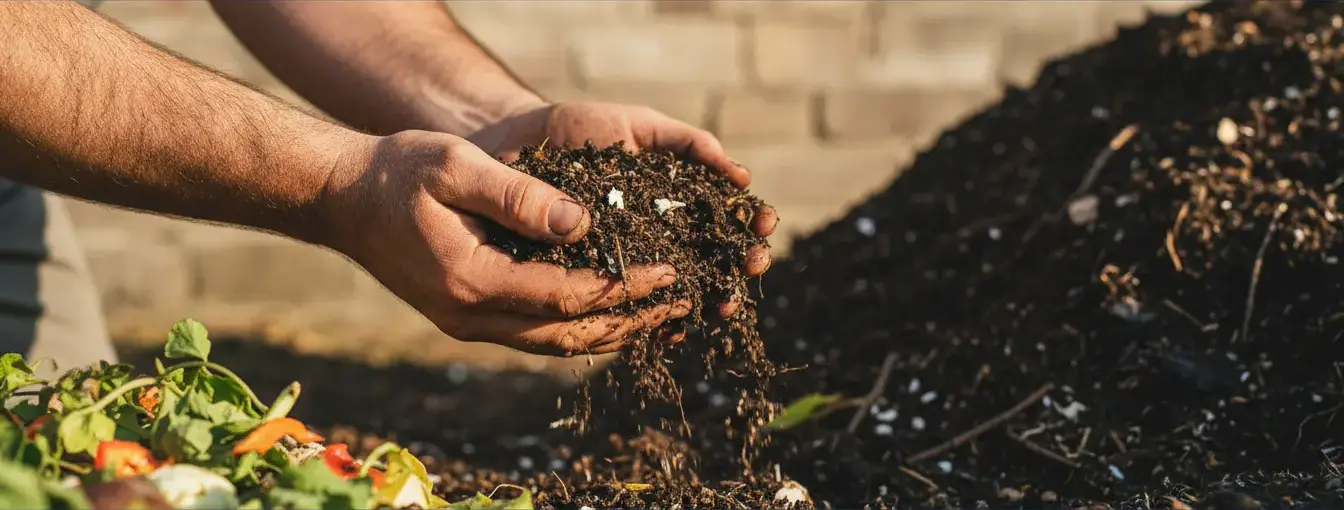
Find the Best Composting & Food Waste Companies for Your Business
No obligation • Fast responses • Nationwide coverage

Why you can trust Restaurant Waste Disposal
Restaurant Waste Disposal is a leading U.S. resource for comparing restaurant composting, food-waste recycling, grease trap cleaning, and used cooking oil collection services. Our editorial team researches providers, checks credentials, and organizes unbiased information so operators can make informed decisions. Companies cannot pay to change ratings or placement.
Search providers near you
Top Composting & Food Waste Companies in Folsom, California Ranked
For restaurants and food service businesses in Folsom, managing organic waste is no longer just an environmental consideration-it's a legal requirement. California's landmark SB 1383 law mandates that all businesses, including restaurants, participate in organics recycling to dramatically reduce landfill waste. This means separating food scraps, food-soiled paper, and other compostable materials into designated green bins for city collection. The program is designed to transform this waste into nutrient-rich compost, closing the loop locally. Navigating these new rules is essential for compliance, avoiding fines, and contributing to Folsom's sustainability goals.
The core of the mandate is straightforward: keep organic material out of the black trash bin. For a restaurant, this includes all food scraps-from vegetable peels and coffee grounds to meat, bones, and dairy-as well as items like used napkins, paper towels, and uncoated pizza boxes. Yard trimmings and clean, untreated wood are also part of the organics stream. It's critical to understand that this is a separate, third stream of waste, alongside traditional recycling and landfill trash. The city provides specific green containers for this purpose to businesses that use municipal services.
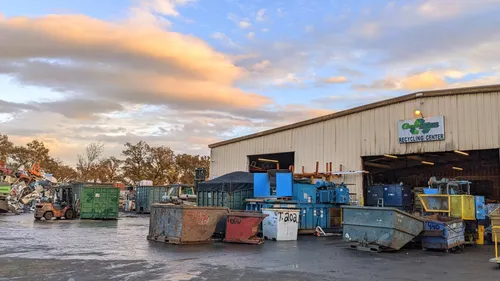
Understanding SB 1383 Compliance for Folsom Restaurants
Senate Bill 1383 sets statewide targets to reduce the disposal of organic waste in landfills by 75% by 2025. For Folsom businesses, this translates into direct action. The law requires you to:
- Subscribe to and participate in the city's organics recycling service.
- Properly separate all organic waste into the correct container.
- Prevent contamination of the organics stream with non-compostable materials.
- Implement an edible food recovery program if your business meets certain size or type criteria, meaning you must arrange to donate surplus edible food to local recovery organizations.
Non-compliance isn't taken lightly. The city and state can issue notices, conduct inspections, and levy fines for businesses that fail to properly separate their organic waste. The good news is that by setting up the proper systems now, your restaurant can easily meet these requirements and potentially reduce its overall waste disposal footprint.
Setting Up Your Commercial Organics Service
Getting started with food scrap collection in Folsom is a coordinated process. If your business does not already have a third-party waste hauler, you will work directly with the City of Folsom's Waste & Recycling Division.
- Contact the City: The first step is to call the Waste & Recycling Division to discuss your restaurant's specific needs, volume of waste, and to order containers.
- Choose Your Containers: The city provides green carts or bins for organics. For establishments with higher volumes, dumpsters in various sizes (from 3 to 40 cubic yards) are available for rental with associated per-load disposal fees.
- Schedule Pickups: Collection frequency is tailored to your needs. While standard organics pickup is weekly, many restaurants require more frequent trash and recycling service, which can be arranged up to seven days a week 1. Your service schedule will be established when you set up your account.
Best Practices for Kitchen & Front-of-House
Successful organics recycling hinges on easy, consistent practices that integrate into your daily workflow.
- Use the Right Bags: All food scraps and food-soiled paper must be placed in a bag before going into the green bin. The city requires the use of either clear plastic bags or certified compostable bags 2. This helps haulers identify contents and reduces mess in the containers.
- Place Bins Strategically: Position small, labeled collection pails in key areas: prep stations, dishwashing areas, and behind the counter. Use clear signage (e.g., "Food Scraps & Soiled Paper Only") to educate both staff and customers if you have public-facing bins.
- Train Your Team: Hold a brief training session to show staff what goes in the green bin (organics), blue bin (recyclables), and black bin (landfill). Emphasize the cost of contamination.
- Manage Grease and Liquids: Never pour cooking oil, grease, or liquid food waste into the organics bin. These items contaminate the load and disrupt the composting process. Used cooking oil and grease trap waste require separate, specialized collection services.
What Not to Put in the Green Bin: Avoiding Contamination
Contamination is the single biggest threat to a successful composting program. A single plastic bag or Styrofoam container can spoil an entire truckload of otherwise valuable compostable material. To avoid extra fees and ensure your waste is processed correctly, keep these items out of the green organics bin:
- Plastic bags (unless they are certified compostable)
- Styrofoam (polystyrene) of any kind
- Coated or glossy paper (like laminated menus or plastic-coated paper plates)
- Liquids, oils, and grease
- Aluminum foil, metal, glass, or twist ties
- Rubber bands, utensils, or any other non-organic material
- Treated wood, dirt, rocks, or concrete
Consequences for repeated contamination can include extra disposal fees on your service bill and potential compliance penalties under SB 1383 3 4.
Find the perfect composting & food waste companies for your needs
Get personalized recommendations and expert advice
The Cost Structure for Commercial Organics Recycling
Implementing SB 1383 required infrastructure and processing changes, which were reflected in an increase to solid waste service rates for both residents and businesses 5 6. For Folsom restaurants using city services, the cost for organics recycling is typically bundled into your overall solid waste service rate. Key financial points include:
- Base Rates: Cover regular weekly pickup of organics, recycling, and trash in the provided containers.
- Dumpster Fees: If you rent a dumpster for organics or other waste, there is a rental charge plus a per-load disposal fee 7.
- Extra Service: Additional pickups or bin swaps outside your normal schedule will incur extra charges.
- Contamination Fees: Loads deemed excessively contaminated may be subject to additional fees.
While there is a cost to participate, the program also creates a valuable product: compost. In a great example of a circular economy, the city offers finished compost for free to Folsom residents and businesses at designated locations, such as City Hall, allowing you to use the end product of your efforts 8.
The Edible Food Recovery Requirement
SB 1383 isn't just about scraping plates; it's also about feeding people. The law includes a major edible food recovery component to address food insecurity. Certain commercial edible food generators, which include larger restaurants and food service providers, are required to 9:
- Contract with or make arrangements for one or more local food recovery organizations.
- Donate their maximum amount of surplus edible food that would otherwise be disposed of.
- Maintain records of these donations.
Tiered compliance dates have been rolling out, so it's crucial to check if your restaurant falls under this mandate and to connect with organizations like the Sacramento Food Bank & Family Services or local pantries.
Benefits Beyond Compliance
Participating fully in Folsom's organics recycling program offers advantages that go beyond checking a regulatory box:
- Environmental Leadership: Diverting waste from landfills reduces methane emissions, a potent greenhouse gas. The city has already diverted nearly 37,000 tons of organic waste, a significant environmental achievement 10.
- Community Health: Creating clean compost improves soil health for local agriculture and landscaping.
- Waste Audit Opportunity: The process of separating organics often makes businesses more aware of their overall waste patterns, potentially identifying opportunities for reduction and cost savings.
- Customer Appeal: Demonstrating a commitment to sustainability can enhance your restaurant's reputation among environmentally conscious patrons.
Getting Help and Resources
The City of Folsom provides resources to help businesses succeed. For specific questions about bin sizes, pickup schedules, or account setup, contact the Folsom Waste & Recycling Division directly 11 12. Comprehensive details about the organics recycling program, including guides and FAQs, are available on the City of Folsom's official website under the Public Works, Solid Waste, and Organics Recycling Program pages 11 13. Taking the time to understand and implement these practices correctly from the start is the most efficient path to compliance and a cleaner, more sustainable Folsom.
Frequently asked questions
Sources
Footnotes
-
Folsom residents to begin composting in July | Need to know - https://www.abc10.com/article/news/local/folsom-orangevale/folsom-composting-organic-waste/103-3c539c40-5c27-4cf6-ac54-fb30ded53eb8 ↩
-
Single Family Residence Green Bin Program - https://www.folsom.ca.us/government/public-works/waste-and-recycling/organics-recycling-program/single-family-residence-green-bin-program ↩
-
Recycling - Folsom, CA - https://www.folsom.ca.us/government/public-works/solid-waste/recycling ↩
-
Weekly Curbside Organics Collection - https://wmr.saccounty.net/Pages/CurbsideOrganics.aspx ↩
-
Rates - Folsom, CA - https://www.folsom.ca.us/government/public-works/solid-waste/rates ↩
-
Fast Facts: New Organics Program - News | Folsom, CA - https://www.folsom.ca.us/Home/Components/News/News/2852/211 ↩
-
Residential | Folsom, CA - https://www.folsom.ca.us/government/public-works/solid-waste/residential ↩
-
Free Compost Available to Folsom Residents - News | Folsom, CA - https://www.folsom.ca.us/Home/Components/News/News/2894/211 ↩
-
Folsom City Council - https://mccmeetingspublic.blob.core.usgovcloudapi.net/folsomca-meet-ad14f7823d1a4f1c8c4a95ba75595274/ITEM-Attachment-001-71b998805d5c4a3b8dbbaad780032af8.pdf ↩
-
Folsom, you've helped divert nearly 37,000 tons of organic waste ... - https://www.facebook.com/CityofFolsom/posts/folsom-youve-helped-divert-nearly-37000-tons-of-organic-waste-from-the-landfill-/1070387101951287/ ↩
-
Business and Multifamily Services - Folsom, CA - https://www.folsom.ca.us/government/public-works/solid-waste/commercial ↩ ↩2
-
Commercial Green Bin Program - Folsom, CA - https://www.folsom.ca.us/government/public-works/waste-and-recycling/organics-recycling-program/commercial-green-bin-program ↩
-
Organics Recycling Program - Folsom, CA - https://www.folsom.ca.us/government/public-works/waste-and-recycling/new-organics-recycling-law/organics-recycling-program ↩