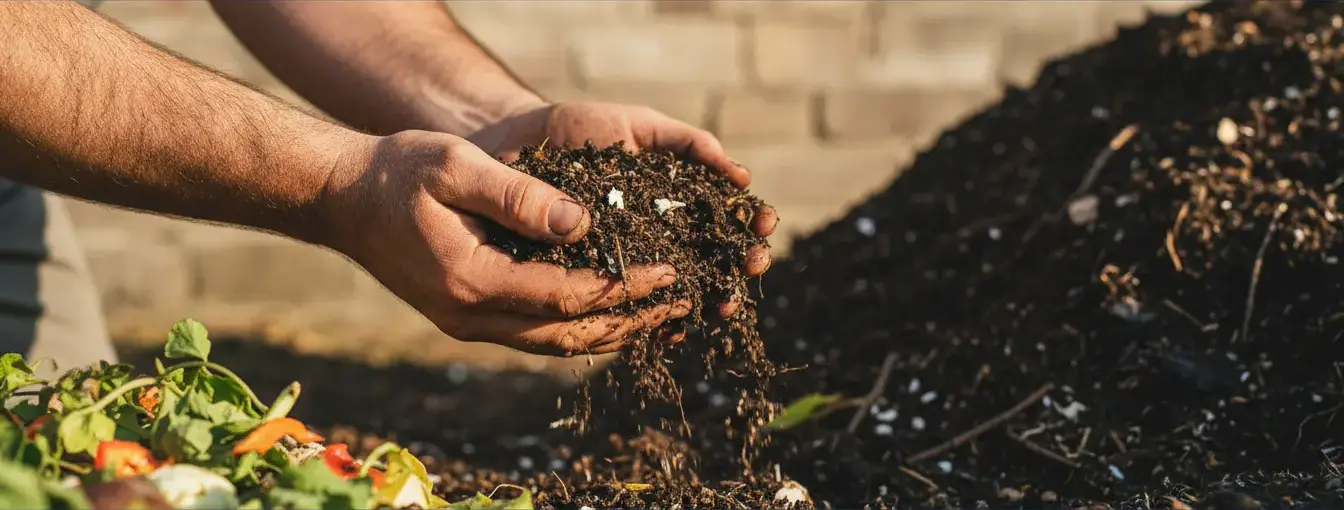
Find the Best Composting & Food Waste Companies for Your Business
No obligation • Fast responses • Nationwide coverage

Why you can trust Restaurant Waste Disposal
Restaurant Waste Disposal is a leading U.S. resource for comparing restaurant composting, food-waste recycling, grease trap cleaning, and used cooking oil collection services. Our editorial team researches providers, checks credentials, and organizes unbiased information so operators can make informed decisions. Companies cannot pay to change ratings or placement.
Search providers near you
Top Composting & Food Waste Companies in El Monte, California Ranked
For restaurant owners and operators in El Monte, managing organic waste is no longer just an environmental consideration-it's a legal requirement. California's landmark SB 1383 mandates that all businesses, including every restaurant, separate food scraps and compostable paper from their regular trash. This statewide effort aims to dramatically reduce greenhouse gas emissions from landfills by diverting organic material to composting or anaerobic digestion facilities. In El Monte, this typically means working with your existing waste hauler to set up a dedicated organics cart, implementing new back-of-house procedures, and ensuring staff are trained on proper sorting to avoid costly contamination. Navigating these new regulations is essential for compliance and contributes to California's broader climate goals.
Successful organic waste diversion starts with understanding the specific requirements and available services in the City of El Monte. The process involves selecting the right containers, establishing a pickup schedule that matches your kitchen's volume, and integrating new sorting habits into daily operations. While it represents a change, effective food scrap recycling can streamline waste management, potentially reduce trash service costs, and demonstrate your establishment's commitment to sustainability in the community.
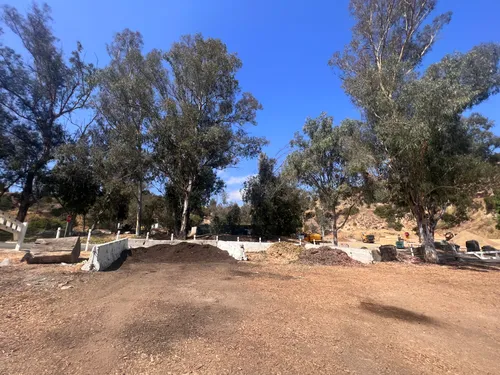
Griffith Park Composting Facility
5400 Griffith Park Dr, Los Angeles, CA 90027
Griffith Park Composting Facility provides food waste composting services primarily for restaurants in Glendale, CA. The facility specializes in processing organic waste to support sustainable waste management practices in the area.
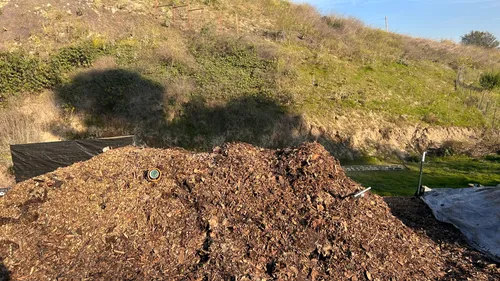
TAWA compost green waste food recycling
4002 Drysdale Ave, Los Angeles, CA 90032
TAWA Compost Green Waste Food Recycling is based in Los Angeles, CA, providing food waste and composting services primarily for restaurants and commercial clients. They offer drop-off options for commercial food waste, green waste, and residential waste, as well as onsite waste management and emergency food waste pickup available 24/7. Founded during the COVID-19 pandemic, TAWA Compost began as a food rescue initiative to address food insecurity and now focuses on turning inedible food into nutrient-rich compost. They also conduct workshops to educate the community on reducing waste and maximizing resources.
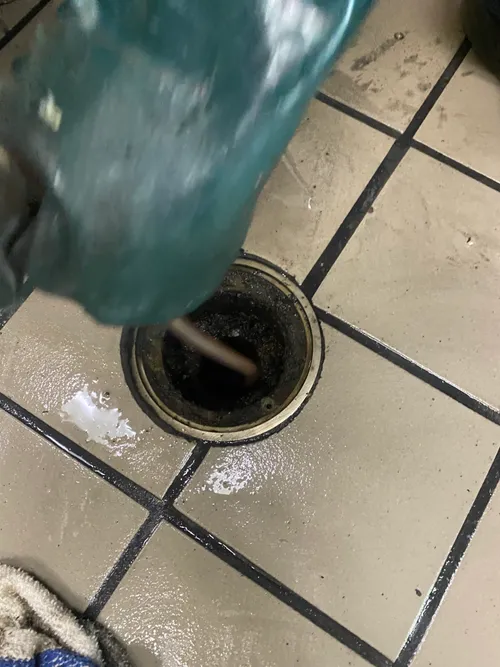
Royal Pumping and Jetting
Los Angeles, CA
Royal Pumping and Jetting provides a comprehensive range of pumping and jetting services for restaurants and hospitality businesses in Los Angeles, CA. Their offerings include grease trap and interceptor cleaning, waste kitchen oil removal, hydro jetting, grease trap repair, high-pressure washing, and complete plumbing services. The company has been serving Los Angeles, Orange County, and San Bernardino since 2008, with a team of certified experts skilled in handling various pump and blast operations. They also offer 24/7 availability to meet urgent service needs.

CR & R Inc
12739 Lakeland Rd, Santa Fe Springs, CA 90670
CR & R Inc provides food waste and composting services for restaurants in La Mirada, CA. The company focuses on sustainable solid waste and recycling solutions, operating advanced materials processing centers and using alternative fuel vehicles to reduce environmental impact. With over three decades of experience, CR & R Inc has developed a state-of-the-art anaerobic digester to process organic waste and produce renewable natural gas, supporting cleaner air and greener practices in the region.
Understanding SB 1383: California's Organic Waste Law
The core driver behind the new composting protocols in El Monte is Senate Bill 1383. Enacted to combat climate change, this law sets ambitious targets to reduce the amount of organic waste sent to California landfills by 75% by 2025 1. When food and yard waste decompose in landfills without oxygen, they produce methane, a potent greenhouse gas. By diverting these materials to composting or anaerobic digestion, the state can significantly lower its methane emissions.
For El Monte restaurants, SB 1383 translates into two primary obligations:
- Mandatory Separation: All businesses must subscribe to and use an organics collection service. Food scraps, food-soiled paper, and yard waste must be separated from trash and traditional recycling.
- Edible Food Recovery: Larger food generators, including full-service restaurants, are required to donate maximum amounts of their surplus edible food to local food recovery organizations. This means establishing a relationship with a food bank or charity is part of comprehensive compliance.
Service Providers and Getting Started in El Monte
In El Monte and across Los Angeles County, organic waste collection for businesses is typically managed by the same haulers that handle your trash and recycling. The primary providers are Waste Management (WM) and Republic Services. Your first step is to contact your current waste hauler to discuss your SB 1383 compliance options.
The setup process generally involves:
- Service Confirmation: Contacting your hauler to confirm they provide organic waste service in El Monte and to initiate your subscription.
- Container Delivery: Arranging for the delivery of designated organics carts (often brown or green).
- Schedule Coordination: Determining a pickup frequency that matches your restaurant's output-busy establishments may require service 2-3 times per week.
- Supply Ordering: Obtaining compostable bin liners for indoor collection pails to keep the organics clean and manageable for staff.
What Goes In the Organics Cart?
Knowing exactly what materials are accepted is crucial to avoid contamination, which can lead to rejected loads and additional fees. The organics cart is for materials that can be composted or anaerobically digested.
YES - Include These Items:
- Food Scraps: All leftover food, including fruits, vegetables, meat, bones, dairy, seafood, bread, and coffee grounds with filters.
- Food-Soiled Paper: Napkins, paper towels, pizza boxes, coffee cups (if certified compostable), uncoated paper plates, and greasy cardboard.
- Yard Waste: If your property generates landscaping trimmings, grass, or leaves.
NO - Keep These Contaminants Out:
- Plastic Bags: Standard plastic bags are a major contaminant. Only certified compostable bags are allowed in the cart.
- Liquids: Broths, oils, and other liquids must be drained. They disrupt the composting process and add weight 2.
- Traditional Recyclables & Trash: Glass, metal, plastic containers, and any non-compostable waste should go in their respective blue recycling or black trash carts.
Implementing a System in Your Restaurant
Transitioning to food waste recycling requires a practical plan for your kitchen and service staff. A well-designed system minimizes confusion and ensures consistent compliance.
Key Steps for Implementation:
- Conduct a Waste Audit: Spend a few days observing your current waste streams. Identify where most food scraps are generated (e.g., prep stations, dishwashing area, buffet lines).
- Place Strategic Collection Bins: Place small, lidded bins lined with compostable bags at every key point where organic waste is generated. Color-coding or clear labeling (with pictures) helps immensely.
- Develop a Dumping Station: Designate a central area, often near the dumpster pad, with the three carts: Organics (brown/green), Recycling (blue), and Trash (black). Staff should empty their small bins into the correct large cart here.
- Train and Re-train Staff: Comprehensive initial training for all employees is essential. Use simple, clear guidelines and visual aids. Schedule regular refreshers, especially when new hires join the team, to maintain proper sorting habits.
Find the perfect composting & food waste companies for your needs
Get personalized recommendations and expert advice
Costs and Considerations for Food Waste Recycling
Adding an organics collection service is a mandatory cost of doing business under SB 1383. Pricing is not uniform and depends on several factors specific to your restaurant.
Factors Influencing Cost:
- Cart Size: Haulers offer carts in various sizes (e.g., 64-gallon, 96-gallon). Your weekly volume of food scraps will determine the appropriate size.
- Pickup Frequency: A fine-dining establishment with high prep waste may need twice-weekly pickups, while a smaller cafe might manage with once-a-week service. More frequent pickups increase cost.
- Hauler and Location: Rates can vary between service providers and are influenced by local franchise agreements and transportation costs.
While this is an added line item, many restaurants find that by diverting heavy, wet food scraps from the trash cart, they can reduce the size or pickup frequency of their garbage service, potentially offsetting some of the new cost. The long-term environmental benefits and regulatory compliance, however, are the primary drivers.
The Importance of Contamination Prevention
Contamination occurs when non-compostable materials are placed in the organics cart. This is a critical issue for processors, as it can ruin entire batches of compost. Haulers and cities are increasingly enforcing contamination rules, which can include rejection of carts, educational tags, and fines for repeated offenses.
Top Contamination Culprits & Solutions:
- Plastic Gloves & Packaging: Ensure staff know that even "biodegradable" claims are not the same as "compostable." Only items certified by the Biodegradable Products Institute (BPI) should go in the organics stream.
- Liquids and Oils: Install grease traps and train staff to scrape solids into the organics bin and pour liquids down designated drains, following all local sewer regulations.
- Cross-Contamination at the Dumpster: Ensure lids on outdoor carts are kept closed to prevent windblown trash or recycling from falling in. Clearly label all carts.
Beyond Compliance: Benefits for Your Business
While driven by regulation, establishing a robust food waste recycling program offers several advantages for El Monte restaurants:
- Enhanced Sustainability Profile: Customers increasingly value businesses with strong environmental practices. Promoting your composting efforts can improve your brand image.
- Operational Insights: Tracking your organics can reveal prep waste patterns, helping you identify opportunities to improve inventory management and reduce food costs.
- Supporting the Local Community: Composting creates nutrient-rich soil amendments that support local agriculture and landscaping, closing the loop locally. Furthermore, compliance with edible food recovery provisions directly helps feed neighbors in need through local food banks 3 4.
Resources for El Monte Restaurants
Staying informed is key to successful compliance. Utilize these resources for guidance and updates:
- Your Waste Hauler: Your primary contact for service setup, cart delivery, and pickup schedules.
- Los Angeles County Sanitation Districts: Provides regional information and guidance on food waste recycling programs and regulations 5.
- CalRecycle: The state agency overseeing SB 1383 implementation. Their website offers detailed regulations, toolkits, and compliance resources for businesses 6.
By proactively engaging with these new requirements, El Monte restaurants can turn a regulatory mandate into an opportunity for operational improvement and positive community impact.
Frequently asked questions
Sources
Footnotes
-
SB 1383 - New Statewide Mandatory Organic Waste Collection Regulation - https://www.wm.com/content/dam/wm/assets/sb1383/preparing-for-california-sb1383.pdf ↩
-
Commercial Collection - https://blackearthcompost.com/commercial/ ↩
-
State of California Law # SB 1383 Food & Organic Waste - https://municipalwaste.ca/news/661532/State-of-California-Law--SB-1383-Food--Organic-Waste.htm ↩
-
SOLID WASTE INFORMATION MANAGEMENT SYSTEM - https://dpw.lacounty.gov/epd/swims/OrganicCapacityPlanning/FAQs.aspx ↩
-
Food Waste Recycling | Los Angeles County Sanitation Districts - https://www.lacsd.org/services/solid-waste-programs/food-waste-recycling ↩
-
Statewide Mandatory Organic Waste Collection - CalRecycle - CA.gov - https://calrecycle.ca.gov/organics/slcp/collection/ ↩