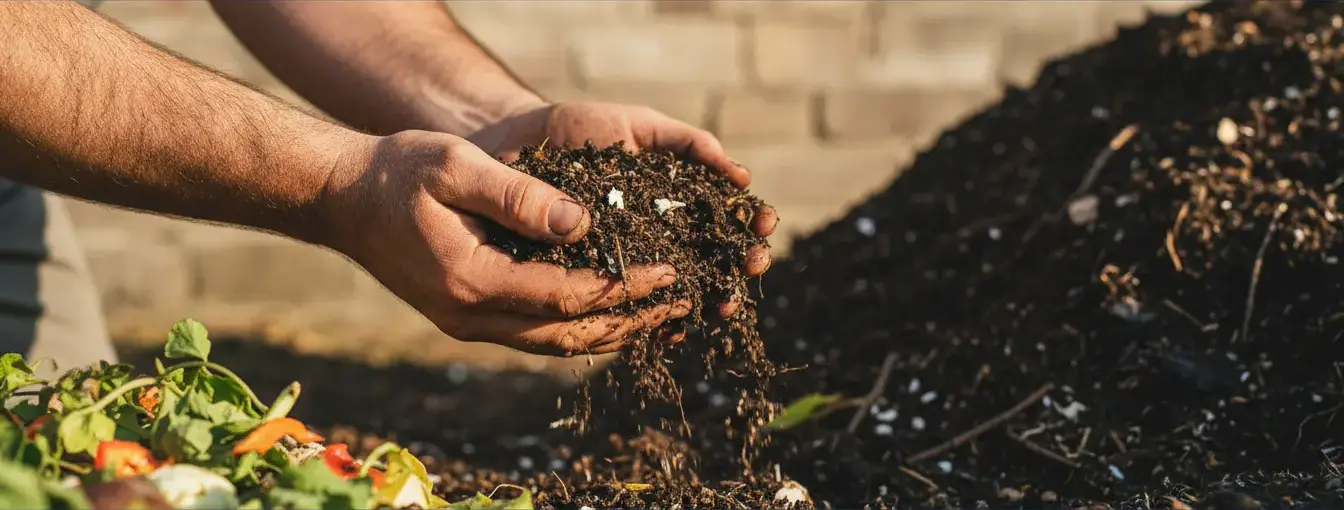
Find the Best Composting & Food Waste Companies for Your Business
No obligation • Fast responses • Nationwide coverage

Why you can trust Restaurant Waste Disposal
Restaurant Waste Disposal is a leading U.S. resource for comparing restaurant composting, food-waste recycling, grease trap cleaning, and used cooking oil collection services. Our editorial team researches providers, checks credentials, and organizes unbiased information so operators can make informed decisions. Companies cannot pay to change ratings or placement.
Search providers near you
Top Composting & Food Waste Companies in Diamond Bar, California Ranked
For restaurants and food service businesses in Diamond Bar, managing organic waste is no longer just an environmental consideration-it's a legal requirement. California's SB 1383 and AB 827 mandate that businesses separate food scraps and food-soiled paper from their regular trash, transforming food waste recycling from a niche practice into a core operational task. The City of Diamond Bar has launched a citywide organics recycling program in partnership with Waste Management (WM) to help local establishments comply. This guide provides a clear roadmap for navigating the rules, setting up your service, and implementing an effective on-site organics separation system to avoid penalties and contribute to the state's climate goals.
Understanding these mandates is the first step toward compliance. SB 1383 is a statewide law that took effect on January 1, 2022, requiring all businesses to recycle their organic waste. AB 827 specifically targets food service establishments, mandating that those generating two or more cubic yards of commercial solid waste per week provide customer-facing recycling and organics containers alongside trash bins 1. However, a key exemption exists: full-service restaurants where staff clears tables from customer dining areas are not required to provide customer-facing bins, though they must still maintain employee-facing bins for organic materials 2 1. All businesses must source-separate their organic waste, meaning food scraps and food-soiled paper must be collected separately from trash and traditional recyclables like plastic and glass.
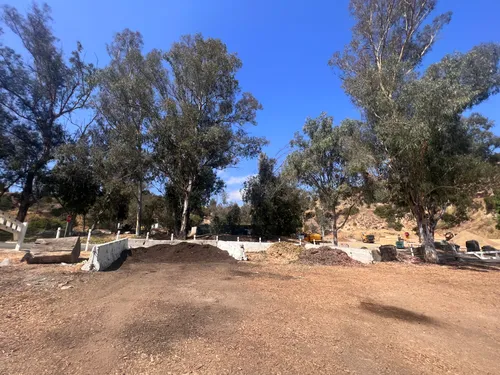
Griffith Park Composting Facility
5400 Griffith Park Dr, Los Angeles, CA 90027
Griffith Park Composting Facility provides food waste composting services primarily for restaurants in Glendale, CA. The facility specializes in processing organic waste to support sustainable waste management practices in the area.
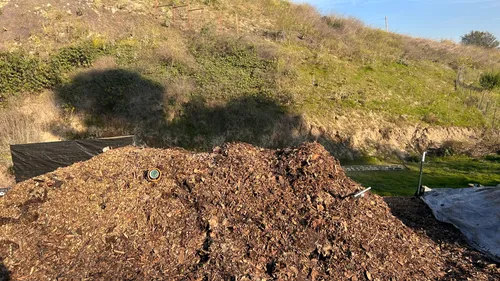
TAWA compost green waste food recycling
4002 Drysdale Ave, Los Angeles, CA 90032
TAWA Compost Green Waste Food Recycling is based in Los Angeles, CA, providing food waste and composting services primarily for restaurants and commercial clients. They offer drop-off options for commercial food waste, green waste, and residential waste, as well as onsite waste management and emergency food waste pickup available 24/7. Founded during the COVID-19 pandemic, TAWA Compost began as a food rescue initiative to address food insecurity and now focuses on turning inedible food into nutrient-rich compost. They also conduct workshops to educate the community on reducing waste and maximizing resources.
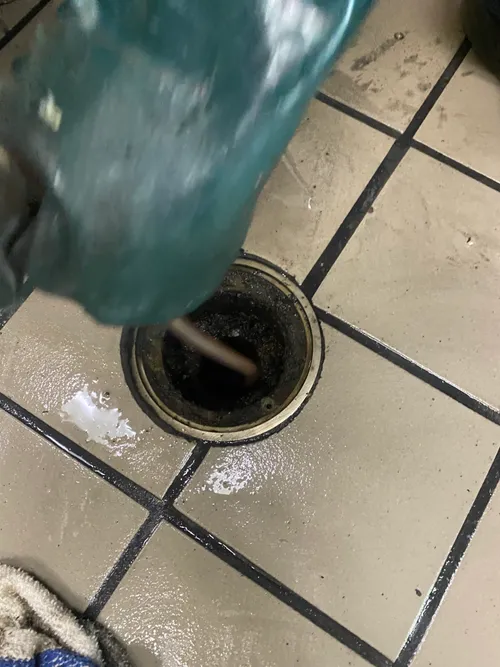
Royal Pumping and Jetting
Los Angeles, CA
Royal Pumping and Jetting provides a comprehensive range of pumping and jetting services for restaurants and hospitality businesses in Los Angeles, CA. Their offerings include grease trap and interceptor cleaning, waste kitchen oil removal, hydro jetting, grease trap repair, high-pressure washing, and complete plumbing services. The company has been serving Los Angeles, Orange County, and San Bernardino since 2008, with a team of certified experts skilled in handling various pump and blast operations. They also offer 24/7 availability to meet urgent service needs.

CR & R Inc
12739 Lakeland Rd, Santa Fe Springs, CA 90670
CR & R Inc provides food waste and composting services for restaurants in La Mirada, CA. The company focuses on sustainable solid waste and recycling solutions, operating advanced materials processing centers and using alternative fuel vehicles to reduce environmental impact. With over three decades of experience, CR & R Inc has developed a state-of-the-art anaerobic digester to process organic waste and produce renewable natural gas, supporting cleaner air and greener practices in the region.
Understanding Your Organic Waste Service with Waste Management
Waste Management (WM) is the designated service provider for commercial organics collection in Diamond Bar. Partnering with WM to set up your service is the foundational step for compliance. They offer a range of container sizes to fit the needs of different establishments, including 1.5, 2, 3, 4, and 6-yard bins, as well as 3-yard compactors for higher-volume operations. Your specific pickup schedule will depend on your service agreement and volume; you can check your exact collection days and receive service updates by managing your account through WM's "My WM" portal.
The cost for this service is not a flat fee but varies based on your chosen container size, pickup frequency, and overall volume of material 3 4. While this represents a new line item, businesses can often realize savings by reducing the size or frequency of their trash (gray cart) service as organics are diverted. Some service agreements may also include potential diversion credits for high participation 4. It's important to view this not just as a cost, but as an investment in regulatory compliance and environmental stewardship.
The Critical Rules for Bin Setup and Use
Proper bin setup is not a suggestion-it's a requirement for both AB 827 and efficient service. The rules are designed for clarity and accessibility:
- Color-Coding is Mandatory: You must use the standard color-coded bins: green for organics, gray for trash, and blue for recyclables 5. This universal system helps prevent contamination.
- Bin Placement and Signage: Containers must be adjacent to each other, visible, and easily accessible for both customers and staff 6. Clear, legible signage is required to indicate what goes in each bin, helping to guide proper disposal behavior.
- What Goes in the Green Cart (Organics):
- Food scraps (fruit, vegetables, meat, bones, dairy, coffee grounds)
- Food-soiled paper (napkins, paper towels, uncoated paper plates, pizza boxes)
- Yard waste (if applicable)
- Loose materials or materials contained in newspaper or paper bags are acceptable.
- Strict Contamination Prohibitions: The most important rule is that plastic bags are never allowed in the green organics cart. Plastic, glass, metals, and other non-organic materials contaminate the load and can lead to service issues. Overfilled bins with lids that cannot close may also not be collected.
Find the perfect composting & food waste companies for your needs
Get personalized recommendations and expert advice
Building an Effective On-Site Food Waste Separation System
Compliance starts in your kitchen and dining area. A well-designed internal collection system prevents contamination and simplifies the process for your team.
- Designate Collection Points: Place small, clearly labeled collection containers (pails or bins) in key areas: food prep stations, dishwashing areas, and behind service counters. For exempt full-service restaurants, ensure staff have easy access to organics bins when clearing tables.
- Use Liner Best Practices: To keep bins clean, you may use a liner, but it must be compostable or made of paper. Plastic bags, even those labeled "biodegradable," are not permitted in the green cart 7. Newspaper or approved compostable bags are suitable alternatives.
- Train Your Staff Thoroughly: Consistent training is the backbone of a successful program. Educate every employee on what is considered organic waste, the importance of keeping plastics out, and where the collection containers are located. Make this training part of the onboarding process for new hires.
- Communicate with Customers (If Required): If your establishment is subject to AB 827's customer-facing bin rules, use clear, simple signage at your waste stations. Icons and brief text (e.g., "Food & Napkins Only") are more effective than lengthy explanations.
The Consequences of Non-Compliance and Benefits of Participation
Failing to comply with SB 1383 and local ordinances can result in warnings, fines, or other enforcement actions from local agencies 8. Contamination of your organics cart-primarily from plastic bags-can lead to extra charges or refusal of service from your hauler 9. Beyond avoiding penalties, participation offers significant benefits. Diverting organic waste from landfills reduces methane emissions, a potent greenhouse gas 8. The collected material is composted or processed anaerobically to create renewable energy and soil amendments, contributing to a circular economy. For your business, it can enhance your sustainability profile, potentially lower overall waste costs, and align with the values of an increasingly eco-conscious clientele.
Troubleshooting Common Service Issues
Even with the best setup, questions can arise. If your green cart is missed on collection day, first check your "My WM" account for schedule changes or holiday delays, then contact WM directly. For issues like persistent contamination notices or needing to change your service level (cart size or frequency), your WM account representative is the primary point of contact. Remember, keeping organics loose and clean is the most reliable way to ensure smooth, uninterrupted service.
Frequently asked questions
Sources
Footnotes
-
FAQ • Which businesses are subject to AB 827? - Diamond Bar - https://www.diamondbarca.gov/FAQ.aspx?QID=308 ↩ ↩2
-
FAQ • What are the AB 827 requirements? - Diamond Bar - https://www.diamondbarca.gov/FAQ.aspx?QID=329 ↩
-
Trash, Recycling & Organic Waste Pickup - Diamond Bar - WM - https://www.wm.com/us/en/location/ca/diamond-bar/commercial-trash-service-diamond-bar-ca ↩
-
Composting | Diamond Bar, CA - https://www.diamondbarca.gov/355/Composting ↩ ↩2
-
Commercial Green Waste Collection - LA County Public Works - https://dpw.lacounty.gov/epd/tf/isw/isw_2019_09.pdf ↩
-
Commercial Organics Recycling | Diamond Bar, CA - https://www.diamondbarca.gov/1057/Commercial-Organics-Recycling ↩
-
New Organic Waste State Law Now In Effect - Diamond Bar - https://www.diamondbarca.gov/DocumentCenter/View/8552/February-2022-Diamond-Bar-Connection-Newsletter ↩
-
SB 1383 - New Statewide Mandatory Organic Waste Collection Regulation - https://www.wm.com/content/dam/wm/assets/sb1383/preparing-for-california-sb1383.pdf ↩ ↩2
-
Organics Recycling | Diamond Bar, CA - https://www.diamondbarca.gov/1052/Organics-Recycling ↩