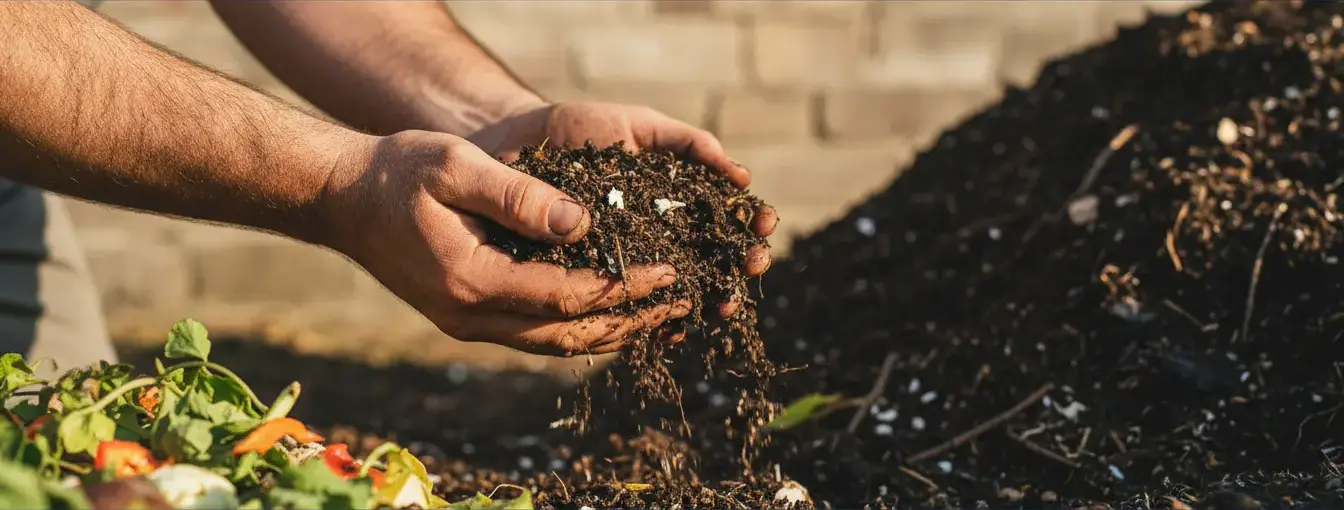
Find the Best Composting & Food Waste Companies for Your Business
No obligation • Fast responses • Nationwide coverage

Why you can trust Restaurant Waste Disposal
Restaurant Waste Disposal is a leading U.S. resource for comparing restaurant composting, food-waste recycling, grease trap cleaning, and used cooking oil collection services. Our editorial team researches providers, checks credentials, and organizes unbiased information so operators can make informed decisions. Companies cannot pay to change ratings or placement.
Search providers near you
Top Composting & Food Waste Companies in Covina, California Ranked
California's ambitious climate goals have arrived in Covina, transforming how local businesses manage their organic waste. State law SB 1383 mandates that all commercial entities, including restaurants, grocery stores, and food service providers, separate their food scraps and soiled paper for composting. This isn't just a suggestion-it's a legal requirement aimed at drastically reducing greenhouse gas emissions from landfills. For Covina's vibrant business community, this means adapting operations to include organics recycling, a process managed in partnership with the city's contracted haulers. By diverting food waste from the trash, businesses not only comply with the law but also contribute to creating nutrient-rich compost, supporting a circular economy right here in the San Gabriel Valley.
Implementing a successful organics diversion program starts with understanding the "what" and "who." The mandate applies to all businesses generating organic waste. This includes pre-consumer kitchen scraps (like vegetable peels and eggshells), post-consumer plate scrapings, spoiled food, and even food-soiled paper products such as napkins, paper plates, and pizza boxes. Crucially, the law also includes an edible food recovery requirement. This means that "Food Service Providers," including restaurants, must donate their surplus edible food to local recovery organizations before considering it as waste for the green bin. Partnering with a food bank or rescue organization is a key first step.
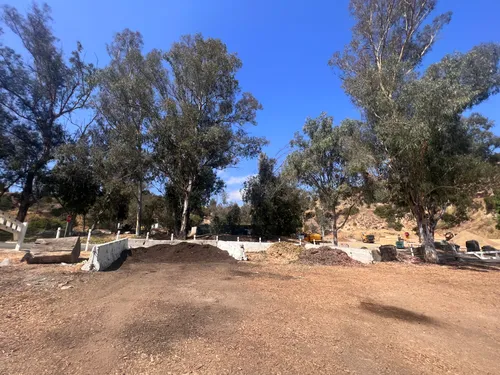
Griffith Park Composting Facility
5400 Griffith Park Dr, Los Angeles, CA 90027
Griffith Park Composting Facility provides food waste composting services primarily for restaurants in Glendale, CA. The facility specializes in processing organic waste to support sustainable waste management practices in the area.
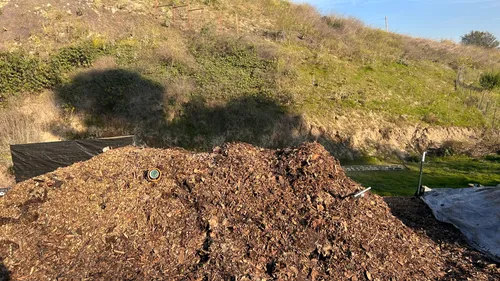
TAWA compost green waste food recycling
4002 Drysdale Ave, Los Angeles, CA 90032
TAWA Compost Green Waste Food Recycling is based in Los Angeles, CA, providing food waste and composting services primarily for restaurants and commercial clients. They offer drop-off options for commercial food waste, green waste, and residential waste, as well as onsite waste management and emergency food waste pickup available 24/7. Founded during the COVID-19 pandemic, TAWA Compost began as a food rescue initiative to address food insecurity and now focuses on turning inedible food into nutrient-rich compost. They also conduct workshops to educate the community on reducing waste and maximizing resources.
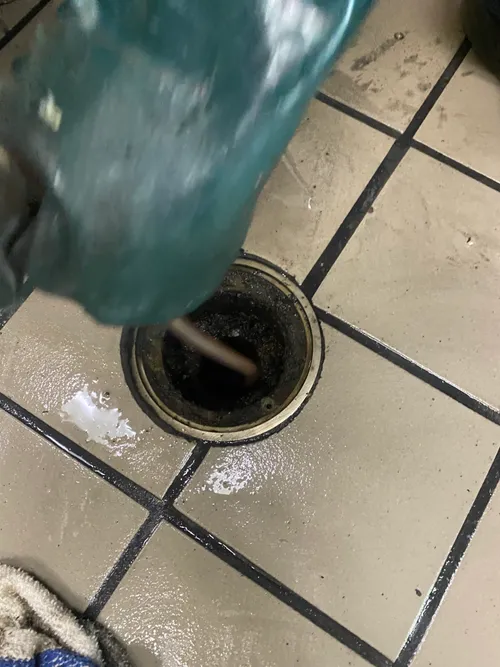
Royal Pumping and Jetting
Los Angeles, CA
Royal Pumping and Jetting provides a comprehensive range of pumping and jetting services for restaurants and hospitality businesses in Los Angeles, CA. Their offerings include grease trap and interceptor cleaning, waste kitchen oil removal, hydro jetting, grease trap repair, high-pressure washing, and complete plumbing services. The company has been serving Los Angeles, Orange County, and San Bernardino since 2008, with a team of certified experts skilled in handling various pump and blast operations. They also offer 24/7 availability to meet urgent service needs.

CR & R Inc
12739 Lakeland Rd, Santa Fe Springs, CA 90670
CR & R Inc provides food waste and composting services for restaurants in La Mirada, CA. The company focuses on sustainable solid waste and recycling solutions, operating advanced materials processing centers and using alternative fuel vehicles to reduce environmental impact. With over three decades of experience, CR & R Inc has developed a state-of-the-art anaerobic digester to process organic waste and produce renewable natural gas, supporting cleaner air and greener practices in the region.
Getting Started with Organics Recycling
The City of Covina's Environmental Services Division oversees the local implementation of SB 1383. The process for businesses is streamlined through designated waste haulers. Covina contracts with providers like Ware Disposal and EDCO to handle commercial organics collection. Your first action should be to contact your current waste hauler or the city to confirm your designated service provider and initiate service. They will help you determine the appropriate container size and collection frequency based on your establishment's waste volume.
Choosing the Right Container and Schedule
Haulers typically offer a range of green organics carts, often in sizes from 32-gallon to 96-gallon, to suit different business needs. The collection schedule-whether weekly, bi-weekly, or more frequent-is set based on the volume of organic material you generate. A key goal of the program is to help businesses reduce their overall trash disposal. By effectively separating organics, many businesses can downsize their trash container or reduce pickup frequency, which can help manage overall waste management costs.
What Goes In the Green Bin? (And What Stays Out)
Proper sorting is the cornerstone of a successful program. Contamination-placing the wrong items in the green bin-can lead to entire loads being rejected, resulting in potential fees and undermining environmental efforts.
Accepted Materials Include:
- Food Scraps: All food waste, including fruits, vegetables, meat, bones, dairy, bread, pasta, and coffee grounds.
- Food-Soiled Paper: Napkins, paper towels, paper plates, cardboard pizza boxes (grease-stained portion), and uncoated paper food containers.
- Yard Waste: Grass clippings, leaves, and small branches (if your business generates landscape debris).
Strict Prohibitions (Contaminants):
- Plastic Bags or Liners: Even if labeled "biodegradable." Use only certified compostable bags or empty scraps directly into the cart.
- Liquids: Cooking oil, grease, and other liquids.
- Traditional Recyclables: Glass, metal, aluminum cans, and plastic containers.
- Trash: Styrofoam, utensils, rubber bands, and any general garbage 1.
Keeping the green bin clean ensures the collected material can be successfully processed into high-quality compost.
Understanding Costs and Potential Savings
A common question for business owners revolves around the financial impact. The cost for commercial organics collection in Covina is not a flat fee but depends on several variables: the size of your organics container, the frequency of pickup, and your total waste volume. You will receive a monthly invoice from your hauler that typically includes line items for trash, recycling, and now, organics.
While adding a new service comes with a cost, there is a strategic financial incentive. By diligently separating organics (and recyclables), you reduce the volume of material going into your trash bin. This often allows you to reduce the size of your trash container or how often it's emptied, which can offset the new organics service charge. The most accurate way to understand your specific pricing is to contact your waste hauler directly for a customized quote based on your business's needs 2 3.
Find the perfect composting & food waste companies for your needs
Get personalized recommendations and expert advice
Implementing an Effective Program in Your Business
Setting up the bins is only half the battle; ensuring consistent, correct use by your team is essential for long-term success and cost control.
- Staff Training and Buy-in: Educate every employee on what belongs in the green organics bin versus the trash and recycling. Use clear signage with pictures. Frame it as a positive environmental mission for the team.
- Optimize Kitchen Workflow: Place small, labeled collection pails in key food prep and dishwashing areas. Designate a staff member to oversee the daily transfer of materials to the outdoor cart.
- Establish Edible Food Donation Protocols: Identify a coordinator to manage surplus edible food. Establish relationships with local food recovery agencies and create a simple daily or weekly donation routine to fulfill the edible food recovery requirement 4.
- Monitor and Adjust: Regularly check your green bin for contamination. Provide feedback to staff and adjust training as needed. Review your waste hauling invoices to see how your trash volume changes over time.
Adopting these practices turns a regulatory requirement into an opportunity for operational efficiency and positive community engagement.
The Broader Impact of Covina's Efforts
When Covina businesses participate fully in organics and food waste recycling, the benefits extend far beyond the kitchen. The collected material is processed at regional composting facilities where it decomposes aerobically (with oxygen), a process that generates minimal methane compared to landfilling. The finished compost is then used in agriculture, landscaping, and erosion control, returning valuable nutrients to the soil. This closes the loop, transforming what was once a waste product into a resource that supports local agriculture and healthy ecosystems. Furthermore, by donating edible food, businesses directly address food insecurity in the community, creating a powerful social benefit alongside the environmental one.
Frequently asked questions
Sources
Footnotes
-
Environmental Services Division - Covina - https://covinaca.gov/city-departments/environmental-services-division/ ↩
-
City of Covina - https://covinaca.gov/wp-content/uploads/2024/08/Amendment-No-2-2022.pdf ↩
-
Organics and Food Recycling - https://www.waredisposal.com/services/organics-food-recycling/ ↩
-
Statewide Mandatory Organic Waste Collection - CalRecycle - CA.gov - https://calrecycle.ca.gov/organics/slcp/collection/ ↩