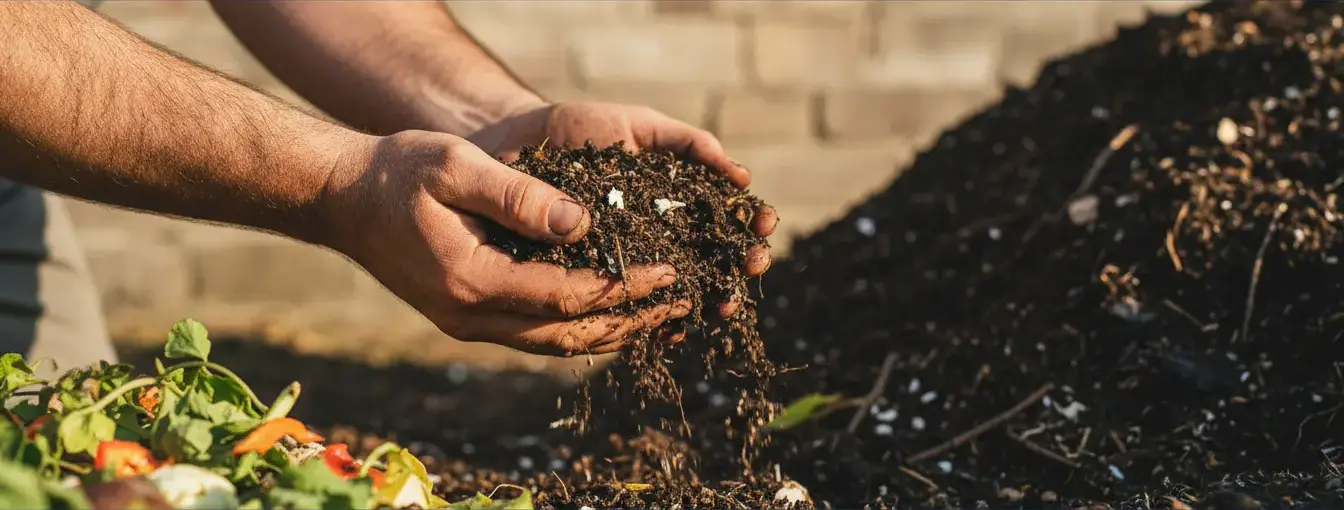
Find the Best Composting & Food Waste Companies for Your Business
No obligation • Fast responses • Nationwide coverage

Why you can trust Restaurant Waste Disposal
Restaurant Waste Disposal is a leading U.S. resource for comparing restaurant composting, food-waste recycling, grease trap cleaning, and used cooking oil collection services. Our editorial team researches providers, checks credentials, and organizes unbiased information so operators can make informed decisions. Companies cannot pay to change ratings or placement.
Search providers near you
Top Composting & Food Waste Companies in Costa Mesa, California Ranked
For Costa Mesa restaurants, managing food scraps and organic waste is no longer just an environmental choice-it's a state-mandated requirement. California's landmark SB 1383 regulations have transformed how businesses handle their organic discards, turning what was once trash into a valuable resource for compost and renewable energy. Navigating these organics recycling rules involves understanding service mandates, setting up proper bin systems, and training both staff and customers. This guide outlines the essential steps for compliance, the potential for cost savings, and how to effectively implement a food waste diversion program that meets local and state standards.
Royal Pumping and Jetting
Los Angeles, CA
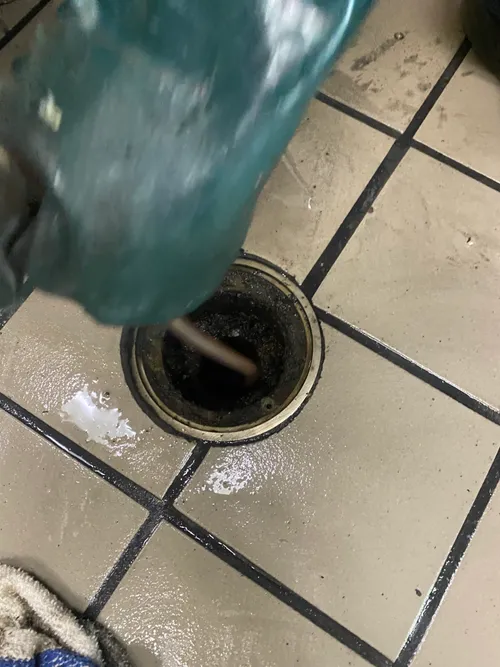
Royal Pumping and Jetting provides a comprehensive range of pumping and jetting services for restaurants and hospitality businesses in Los Angeles, CA. Their offerings include grease trap and interceptor cleaning, waste kitchen oil removal, hydro jetting, grease trap repair, high-pressure washing, and complete plumbing services. The company has been serving Los Angeles, Orange County, and San Bernardino since 2008, with a team of certified experts skilled in handling various pump and blast operations. They also offer 24/7 availability to meet urgent service needs.

CR & R Inc
12739 Lakeland Rd, Santa Fe Springs, CA 90670
CR & R Inc provides food waste and composting services for restaurants in La Mirada, CA. The company focuses on sustainable solid waste and recycling solutions, operating advanced materials processing centers and using alternative fuel vehicles to reduce environmental impact. With over three decades of experience, CR & R Inc has developed a state-of-the-art anaerobic digester to process organic waste and produce renewable natural gas, supporting cleaner air and greener practices in the region.
Understanding SB 1383: The Mandate for Organic Waste Recycling
California's Short-Lived Climate Pollutant Reduction law, known as SB 1383, sets aggressive targets to reduce organic waste in landfills by 75% by 2025 1. For every restaurant and food service business in Costa Mesa, this translates into a legal obligation to separate food scraps, food-soiled paper, and yard waste from the regular trash stream 2. The law is designed to cut methane emissions, a potent greenhouse gas produced when organic material decomposes anaerobically in landfills. Compliance is not optional; it is enforced at the state level, with potential penalties for non-compliance. The mandate applies universally, meaning all commercial entities, including restaurants of every size, must subscribe to and use an organics collection service from their franchised waste hauler 2 3.
Who Must Comply and What's Required?
The requirements under SB 1383 are tiered based on the type and scale of your operation:
- All Food Service Businesses: Every restaurant, café, and food vendor must separate organic materials and have them collected for recycling.
- Edible Food Donation: Larger generators have an additional responsibility. Tier 1 generators (those generating over 2,000 pounds of surplus edible food per week) and Tier 2 generators (over 500 pounds per week) are required to donate this food to recovery organizations 4. This includes food that is unsold but still perfectly safe to eat.
- Customer-Facing Bin Requirements (AB 827): A related law, AB 827, requires businesses that sell food for on-site consumption to provide customers with clearly labeled recycling and organics containers in all areas where trash bins are located, except for restrooms. This means bins for customers to sort their own waste must be placed in dining areas, patios, and take-out counters.
Setting Up Your Organics Recycling System
Implementing a successful program starts with the right infrastructure and clear communication. The goal is to make sorting intuitive for both employees and customers, minimizing contamination-which occurs when non-compostable items end up in the green organics bin.
The Three-Stream System: Know Your Bins
Costa Mesa utilizes a color-coded system to streamline waste separation:
- Green Bin/Cart: Organics. This is for all compostable material.
- Blue Bin/Cart: Recycling. For clean bottles, cans, paper, and cardboard.
- Grey or Black Bin/Cart: Landfill Trash. This is for everything that cannot go into the green or blue bins.
What Goes in the Green Organics Bin?
Knowing what is accepted is critical to avoid contamination fees and ensure your organic waste is properly processed.
YES - These items are accepted:
- All food scraps: fruits, vegetables, meat, bones, dairy, bread, pasta, coffee grounds, tea bags.
- Food-soiled paper: napkins, paper towels, uncoated paper plates, pizza boxes, coffee filters.
- Compostable bags and foodware certified to meet ASTM D6400 standards.
- Yard trimmings (if applicable).
NO - Keep these contaminants out:
- Plastic bags, wrappers, or utensils (even if labeled "biodegradable" unless certified compostable).
- Glass, metal, or Styrofoam.
- Pet waste or diapers.
- Palm fronds or treated wood.
- Wax or plastic-coated paper (like some coffee cups).
- "Compostable" foodware that does not meet the specific ASTM standard required by local processors 7 8.
Working with Your Franchised Hauler
Costa Mesa contracts with specific waste management companies to service different zones within the city. Your first step is to identify and contact your franchised hauler (such as Waste Management or Republic Services) to set up or adjust your service.
- Service Sizing: Your hauler will help determine the appropriate size (e.g., 32-gallon cart, 64-gallon cart, or larger dumpster) and collection frequency (e.g., weekly, twice-weekly) for your green organics bin based on your establishment's waste volume.
- Container Placement: Place clearly labeled bins in all key areas:
- Back-of-House: In prep kitchens, dishwashing stations, and staff break rooms.
- Front-of-House: If not exempt, place the three-stream bins (green, blue, grey) together in customer areas for easy sorting.
Find the perfect composting & food waste companies for your needs
Get personalized recommendations and expert advice
Preventing Contamination: Training and Education
Contamination is the biggest hurdle to successful organics recycling. A single plastic bag or handful of plastic utensils can spoil an entire load, sending it to the landfill. Proactive management is essential.
- Staff Training: Conduct regular training sessions for all employees, especially new hires. Use visual aids like posters above bins showing exactly what goes where. Make sorting part of the standard operating procedure.
- Customer Communication: For businesses required to have customer-facing bins, use clear, simple signage with pictures. Brief messages like "Food & Napkins Only" on the green bin can be very effective.
- Source Separation: The most effective strategy is to separate materials at the point of disposal, not by digging through a mixed bin later. Provide small, dedicated containers for organics at every prep station.
Cost Considerations and Potential Savings
The cost for organics collection service is not a one-size-fits-all figure. It depends on several factors specific to your restaurant.
- Cost Factors: Your hauler will provide a quote based on the size of your organics container, how often it needs to be emptied, and your overall waste generation. You will receive a separate bill or a line-item on your existing waste service bill for the organics collection.
- Potential for Savings: While adding a service incurs a cost, there is a significant opportunity for savings. By diverting heavy, wet food scraps and organic material from your landfill (grey/black) bin, you can often reduce the size or frequency of your trash service. This reduction in landfill-bound waste can lower your overall disposal costs, potentially offsetting the new organics service fee 9. The exact savings depend on your current waste mix and hauler's pricing structure, so discussing this with your provider is crucial.
Action Plan for Costa Mesa Restaurants
- Identify Your Hauler: Contact the City of Costa Mesa Public Works Department or visit their website to determine your franchised waste collection company 10.
- Request a Service Assessment: Contact your hauler to schedule a review of your current waste streams. Request the appropriate green organics containers and discuss collection schedules.
- Acquire and Label Bins: Obtain the necessary green, blue, and grey bins. Ensure they have clear, durable labels in English and Spanish with icons.
- Develop a Training Plan: Create simple training materials and hold a staff meeting to roll out the new sorting system. Appoint a sustainability champion to oversee the program.
- Implement and Monitor: Place bins throughout your facility. Monitor them regularly for contamination and provide gentle reminders to staff as needed. Adjust bin sizes or locations if certain spots generate more of one waste type.
Frequently asked questions
Sources
Footnotes
-
Organic Waste Recycling - SB 1383 | City of Costa Mesa - https://www.costamesaca.gov/government/departments-and-divisions/public-works/sb-1383 ↩
-
Commercial & Multi-Family (5 or more units) Waste Collection ... - https://www.costamesaca.gov/government/departments-and-divisions/public-works/waste-collection-and-recycling/commercial-multi-family-5-or-more-units-waste-collection-and-recycling ↩ ↩2
-
Statewide Mandatory Organic Waste Collection - CalRecycle - https://calrecycle.ca.gov/organics/slcp/collection/ ↩
-
SB 1383 - New Statewide Mandatory Organic Waste Collection Regulation - https://www.wm.com/content/dam/wm/assets/sb1383/preparing-for-california-sb1383.pdf ↩
-
Commercial Organics Recycling - https://oclandfills.com/businessorganics ↩
-
Quick Service Restaurants Required to Make Composting/Recycling ... - https://www.ecjlaw.com/ecj-blog/quick-service-restaurants-required-to-make-composting-available ↩
-
Trash & Recycling FAQs - Costa Mesa Sanitary District - https://www.cmsdca.gov/trash___recycling/trash___recycling_faqs.php ↩
-
SB1383 Business Requirements - Public Works - City of Burbank - https://www.burbankca.gov/web/public-works/sb1383-business-requirements ↩
-
Creating a Successful Restaurant Food Scrap Recycling Program - https://www.ca-ilg.org/case-story/creating-successful-restaurant-food-scrap-recycling-program-lessons-learned-eight-city ↩
-
Waste Collection and Recycling | City of Costa Mesa - https://www.costamesaca.gov/government/departments-and-divisions/public-works/waste-collection-and-recycling ↩