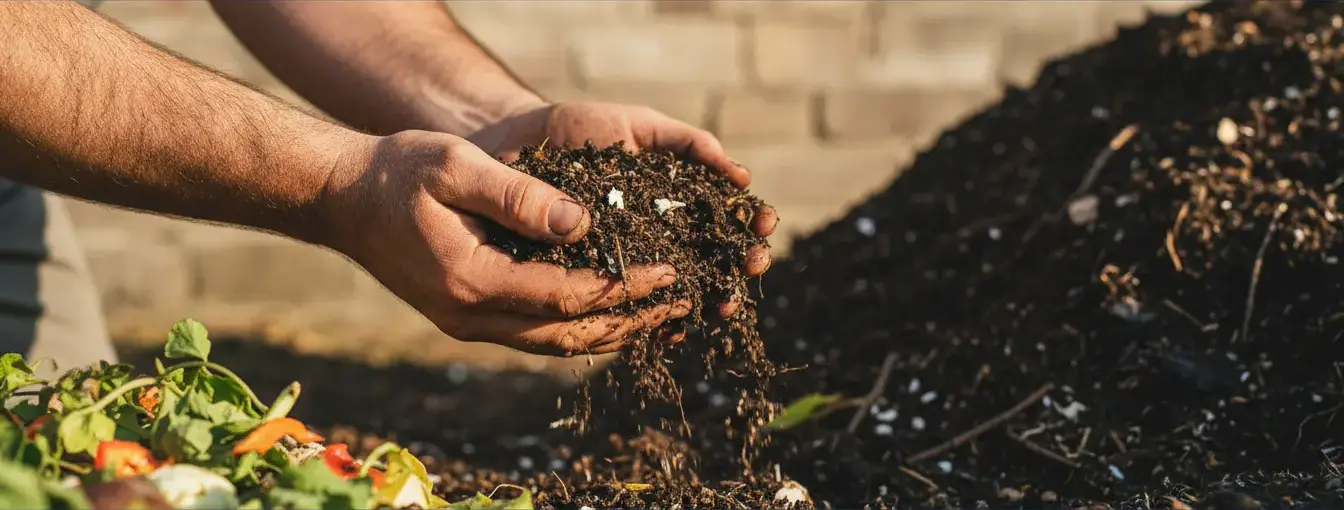
Find the Best Composting & Food Waste Companies for Your Business
No obligation • Fast responses • Nationwide coverage

Why you can trust Restaurant Waste Disposal
Restaurant Waste Disposal is a leading U.S. resource for comparing restaurant composting, food-waste recycling, grease trap cleaning, and used cooking oil collection services. Our editorial team researches providers, checks credentials, and organizes unbiased information so operators can make informed decisions. Companies cannot pay to change ratings or placement.
Search providers near you
Top Composting & Food Waste Companies in Citrus Heights, California Ranked
For restaurant owners and managers in Citrus Heights, managing organic waste is no longer just an environmental consideration-it's a legal requirement. California's landmark SB 1383 mandates that all businesses, including restaurants, participate in organic waste recycling programs to dramatically reduce the amount of food and yard waste sent to landfills. This statewide law is designed to cut methane emissions, a potent greenhouse gas produced when organic material decomposes anaerobically in landfills. In Citrus Heights, this translates to specific rules about how your establishment must handle food scraps, soiled paper, and other compostable materials. Navigating these regulations is crucial for compliance, avoiding potential fines, and contributing to California's climate goals. Understanding your responsibilities for both customer-facing and back-of-house waste sorting is the first step in building an efficient and compliant organics management system.
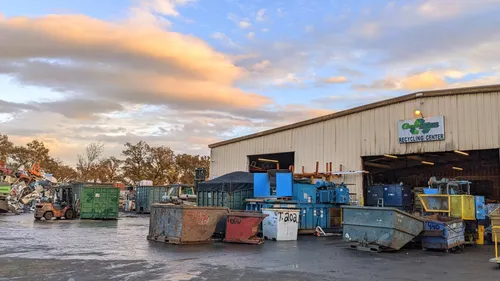
Understanding SB 1383: The Mandate for Citrus Heights Businesses
The core driver behind the new composting and food waste recycling protocols in Citrus Heights is Senate Bill 1383. This law sets ambitious targets to reduce organic waste disposal by 75% from 2014 levels by 2025. For local restaurants, this means participation is not optional. The law requires businesses to subscribe to and properly use organics and recycling collection services 1 2. The City of Citrus Heights has implemented these state requirements, meaning local enforcement and specific guidelines are in place for commercial entities. The goal is to ensure that materials like food scraps, food-soiled paper, and yard trimmings are processed into beneficial products like compost or renewable energy, rather than contributing to landfill methane.
Key Requirements for Restaurants:
- Mandatory Service Subscription: Your business must have active organics (green cart) and recycling (blue cart) collection services alongside your standard trash service.
- Proper Container Provision: You are required to provide collection containers for organics and recycling in all customer dining areas and other public spaces, with some exceptions for full-service restaurants.
- Correct Sorting: Staff and customers must be guided to place materials in the correct bin-organics, recycling, or landfill trash-to avoid contamination.
- Record-Keeping: Businesses may need to maintain records of service agreements and educational efforts, as required by local enforcement agencies.
What Qualifies as "Organic Waste" in Your Restaurant?
Knowing what goes into the green organics cart is fundamental to compliance and reducing contamination. For a restaurant in Citrus Heights, the stream of organic material is typically substantial and includes more than just vegetable peels.
The "Yes" List for Your Green Organics Cart:
- All Food Scraps: This includes fruits, vegetables, meat, bones, poultry, seafood, dairy products, eggs, and shells.
- Prepared & Leftover Food: Plate scrapings, spoiled food from walk-ins, and outdated menu items.
- Food-Soiled Paper: Napkins, paper towels, pizza boxes, coffee filters, tea bags, and uncoated paper plates and takeout containers that are soiled with food.
- Compostable Serviceware: Certified compostable cups, plates, and utensils (look for the BPI logo). It's critical to verify with your hauler if they accept these items, as processing facilities vary.
- Yard Waste: If your property has landscaping, grass clippings, leaves, and small branches go in the organics cart 3 4.
Common Contaminants to Keep Out:
- Plastics: Even if labeled "biodegradable," unless specifically certified compostable and accepted by your processor.
- Glass, Metal, or Foam.
- Liquids and Oils.
- Any form of trash or recycling.
Contamination of the organics stream can lead to rejected loads, higher processing fees, and potential penalties from your waste hauler or the city.
Setting Up Your Restaurant: Full-Service vs. Quick-Service Rules
The SB 1383 regulations recognize different operational models. The requirements for providing customer-facing bins differ depending on whether you are a full-service or a quick-service/limited-service restaurant.
For Full-Service Restaurants: If your restaurant employs staff who clear tables and manage dishware, you may be exempt from the requirement to place organics and recycling bins in public customer areas. The rationale is that your employees can sort the waste internally in the back-of-house. In this model, customers dispose of all waste at the table, and staff then separate organics, recyclables, and trash into the appropriate dedicated bins in the kitchen or dishwashing area. This places the responsibility for correct sorting squarely on your team, requiring clear training and well-labeled internal bins.
For Quick-Service & Limited-Service Restaurants: If your operation is one where customers typically bus their own trays (e.g., fast food, fast casual, cafes, food courts), you must provide clearly labeled organics and recycling containers in the customer dining and disposal area 5. This means having a three-bin station (or at minimum, organics and recycling alongside trash) that is easily accessible, well-signed, and consistently maintained. The design and clarity of these stations are key to encouraging proper customer sorting and reducing contamination.
Working with Waste Haulers in Citrus Heights
Compliance starts with your service provider. Most restaurants in Citrus Heights will be serviced by major national waste haulers or their local affiliates.
Primary Service Providers: The City of Citrus Heights' commercial waste services are provided through franchise agreements. Waste Management (WM) and Republic Services (RWS) are the most likely providers for commercial accounts in the area. Your first step should be to confirm who your current waste hauler is and contact them directly to discuss your organics service needs.
Container and Service Details:
- Standardized Colors: State law requires standardized container colors: green for organics, blue for recycling, and black or gray for trash.
- Container Types: Depending on your volume, you will use wheeled carts (e.g., 64-gallon or 96-gallon) or larger dumpsters for organics.
- Pickup Frequency: Organic waste pickup is typically scheduled weekly, though frequency can be adjusted based on your establishment's output. Discuss the optimal schedule with your hauler to avoid overflow and odor issues.
- Labeling: Containers must have clear, graphic labels indicating what materials are accepted. Your hauler can provide compliant labels.
Find the perfect composting & food waste companies for your needs
Get personalized recommendations and expert advice
Costs, Compliance, and Avoiding Penalties
Implementing an organics recycling program involves cost, but non-compliance carries its own financial risks.
Understanding the Costs: Adding an organics collection service will increase your monthly waste management bill. Costs are not fixed and vary based on several factors: the size and number of containers, the frequency of pickup, and your overall waste volume 6 7. While this is a mandatory added expense, it's important to view it in the context of potential savings. Some restaurants find that by diverting organics and recyclables, they can downsize their more expensive trash dumpster or reduce pickup frequency, partially offsetting the new cost. Request a detailed quote and service analysis from your waste hauler.
The Risk of Non-Compliance: Failing to participate in the organics program or consistently contaminating organics carts can lead to penalties. Enforcement can come from multiple directions:
- Hauler Fees: Your waste company may charge contamination fees for loads that are rejected at the processing facility.
- City Enforcement: The City of Citrus Heights is responsible for local enforcement of SB 1383. This can include inspections, notices of violation, and ultimately, administrative fines for businesses that are not in compliance 8.
- State-Level Action: Persistent, widespread non-compliance could trigger action from state agencies.
Proactive management of your food waste stream is the most effective strategy to avoid these penalties and contribute positively to community sustainability goals.
Building an Effective Back-of-House System
A successful program hinges on your internal operations. Employee buy-in and clear processes are essential.
Internal Bin Placement: Place small, dedicated collection bins for organics (often lined with a compostable bag) at every key waste generation point: prep stations, dish pits, and behind the bar. Color-code these bins (green or brown) to match the larger outdoor cart. Pair them with recycling and trash bins to make sorting intuitive.
Staff Training and Engagement: Conduct regular training sessions to educate all staff-from dishwashers to chefs to servers-on what goes where. Use visual aids, such as posters above sorting stations. Frame the program positively, emphasizing the environmental impact of their correct sorting. Consider appointing a "green champion" among staff to help monitor and encourage proper practices.
Monitoring and Adjusting: Regularly check your internal and external bins for contamination. If you see recurring mistakes (e.g., plastic gloves in the organics bin), it's a sign that retraining is needed. Work with your hauler; many provide free training resources, site audits, and feedback to help businesses improve their sorting accuracy.
Next Steps for Citrus Heights Restaurant Owners
- Identify Your Hauler: Check your current waste service invoice or contact the City of Citrus Heights Public Works department to confirm your assigned commercial waste hauler.
- Schedule a Service Review: Contact your hauler to discuss your organics service options, request the necessary green containers, and get a detailed cost breakdown.
- Audit Your Waste Stream: Spend a week observing what types of waste your restaurant generates. This will help you determine the right container sizes and placement.
- Order Supplies: Obtain the appropriate indoor bins, liners (if using compostable bags), and CalRecycle-compliant signage and labels for both customer and staff areas 9.
- Train Your Team: Develop a simple training plan and roll out the new sorting system to all employees before the new containers arrive.
- Launch and Communicate: Officially start your program. For QSRs, use clear signage to guide customers. For all restaurants, continue to monitor, provide feedback, and refine the process.
Embracing organics recycling is a significant step for any restaurant. In Citrus Heights, it's a step that is now required by law. By building a clear, well-communicated system, you can achieve compliance efficiently, potentially manage costs, and proudly showcase your commitment to a sustainable community.
Frequently asked questions
Sources
Footnotes
-
Statewide Mandatory Organic Waste Collection - CalRecycle - https://calrecycle.ca.gov/organics/slcp/collection/ ↩
-
State of California Law # SB 1383 Food & Organic Waste - https://municipalwaste.ca/news/661532/State-of-California-Law--SB-1383-Food--Organic-Waste.htm ↩
-
Frequently Asked Questions - CalRecycle - CA.gov - https://calrecycle.ca.gov/recycle/commercial/organics/faq/ ↩
-
Frequently Asked Questions - CivicPlus.CMS.FAQ - https://www.citrusheights.net/Faq.aspx?TID=78 ↩
-
Quick Service Restaurants Required to Make Composting/Recycling ... - https://www.ecjlaw.com/ecj-blog/quick-service-restaurants-required-to-make-composting-available ↩
-
Commercial & Multi-family Unit Recycling | Citrus Heights, CA - https://www.citrusheights.net/1225/Commercial-Multi-family-Unit-Recycling ↩
-
Mandatory Residential Organics Recycling | Citrus Heights, CA - https://www.citrusheights.net/1151/Mandatory-Residential-Organics-Recycling ↩
-
Neighborhood Cleanup - https://www.citrusheights.net/302/Neighborhood-Cleanup ↩
-
Collection Systems, Container Colors, and Labeling - CalRecycle - https://calrecycle.ca.gov/organics/slcp/collection/systems/ ↩