Find the Best Composting & Food Waste Companies for Your Business
No obligation • Fast responses • Nationwide coverage

Why you can trust Restaurant Waste Disposal
Restaurant Waste Disposal is a leading U.S. resource for comparing restaurant composting, food-waste recycling, grease trap cleaning, and used cooking oil collection services. Our editorial team researches providers, checks credentials, and organizes unbiased information so operators can make informed decisions. Companies cannot pay to change ratings or placement.
Search providers near you
Top Composting & Food Waste Companies in Carson, California Ranked
For restaurant owners and food service operators in Carson, managing organic waste is no longer just an environmental consideration-it's a legal requirement. California's landmark Senate Bill 1383 mandates that all businesses, including restaurants, separate food scraps and other compostable materials from their general trash. This statewide organics recycling law is designed to dramatically reduce the amount of methane-producing waste sent to landfills. In Carson, compliance means working with your franchised waste hauler to set up a three-bin system, training your staff on proper sorting, and understanding what materials belong in the green organics container. Navigating these new regulations is essential for avoiding potential fines and contributing to California's climate goals, all while potentially streamlining your back-of-house waste management.
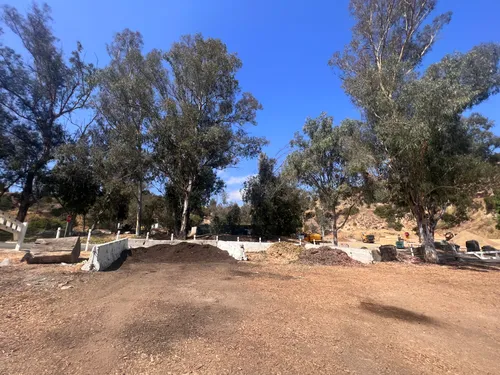
Griffith Park Composting Facility
5400 Griffith Park Dr, Los Angeles, CA 90027
Griffith Park Composting Facility provides food waste composting services primarily for restaurants in Glendale, CA. The facility specializes in processing organic waste to support sustainable waste management practices in the area.
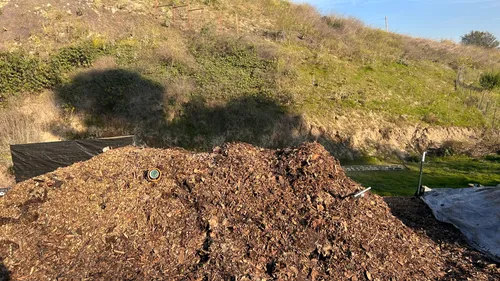
TAWA compost green waste food recycling
4002 Drysdale Ave, Los Angeles, CA 90032
TAWA Compost Green Waste Food Recycling is based in Los Angeles, CA, providing food waste and composting services primarily for restaurants and commercial clients. They offer drop-off options for commercial food waste, green waste, and residential waste, as well as onsite waste management and emergency food waste pickup available 24/7. Founded during the COVID-19 pandemic, TAWA Compost began as a food rescue initiative to address food insecurity and now focuses on turning inedible food into nutrient-rich compost. They also conduct workshops to educate the community on reducing waste and maximizing resources.
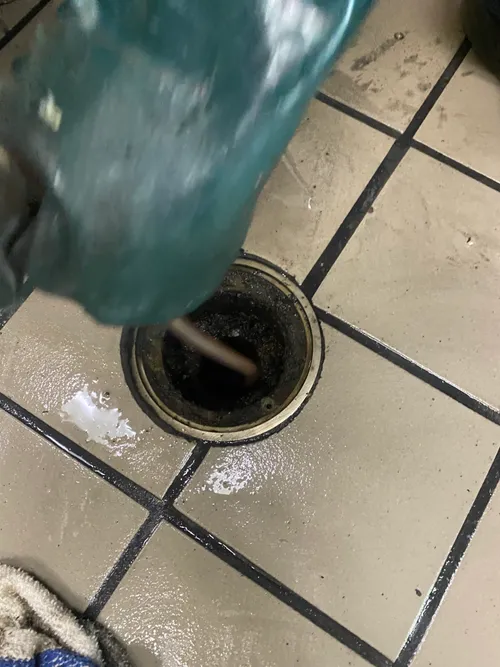
Royal Pumping and Jetting
Los Angeles, CA
Royal Pumping and Jetting provides a comprehensive range of pumping and jetting services for restaurants and hospitality businesses in Los Angeles, CA. Their offerings include grease trap and interceptor cleaning, waste kitchen oil removal, hydro jetting, grease trap repair, high-pressure washing, and complete plumbing services. The company has been serving Los Angeles, Orange County, and San Bernardino since 2008, with a team of certified experts skilled in handling various pump and blast operations. They also offer 24/7 availability to meet urgent service needs.

CR & R Inc
12739 Lakeland Rd, Santa Fe Springs, CA 90670
CR & R Inc provides food waste and composting services for restaurants in La Mirada, CA. The company focuses on sustainable solid waste and recycling solutions, operating advanced materials processing centers and using alternative fuel vehicles to reduce environmental impact. With over three decades of experience, CR & R Inc has developed a state-of-the-art anaerobic digester to process organic waste and produce renewable natural gas, supporting cleaner air and greener practices in the region.
Understanding SB 1383: The Law Behind the Mandate
The driving force behind Carson's organics recycling program is California Senate Bill 1383. Enacted to combat climate change, this law targets short-lived climate pollutants, with a major focus on methane emissions from decomposing food and yard waste in landfills. The regulations require local jurisdictions across the state, including the City of Carson, to implement programs that divert organic waste from landfills. For restaurants, this translates into a mandatory separation of food scraps, food-soiled paper, and other compostable materials. The requirements have been phased in based on waste generation, meaning most commercial food service establishments in Carson are now obligated to participate 1 2 3. Compliance is not optional; it's a standard part of operating a business within the state.
Setting Up Your Restaurant's Waste Streams: The Three-Bin System
To comply with the law, Carson restaurants must implement a clear separation system. Your franchised waste hauler, which is likely Republic Services or a similar provider, will supply three distinct containers:
- Green Container (Organics): This is for all food scraps, food-soiled paper, and yard trimmings.
- Blue Container (Recycling): This is for clean cardboard, paper, bottles, cans, and other traditional recyclables.
- Black Container (Trash/Landfill): This is only for materials that cannot be composted or recycled.
Your hauler will establish a specific pickup schedule for each stream. It's crucial to contact your service provider directly to confirm your bin sizes, collection days, and any associated service adjustments. Proper placement of these dumpsters or carts is also important for efficient collection 4 5.
Managing Food Scraps in the Kitchen: Best Practices
Efficient organics recycling starts inside your kitchen. Simply tossing food scraps directly into a large outdoor dumpster is impractical and messy. The recommended practice involves a two-step process:
- Collection: Use small, dedicated kitchen pails with tight-fitting lids at prep stations, dish pits, and near cooking lines. These pails should be lined with certified compostable bags-plastic bags, even those labeled "biodegradable," are major contaminants and are not allowed in the green organics container.
- Transfer: Staff should regularly empty these smaller pails into the large green organics dumpster or cart outside. This system helps contain odors, keeps pests at bay, and makes the sorting process a seamless part of the kitchen workflow.
Training every team member-from chefs and line cooks to dishwashers and bussers-on what goes into the green bin is the cornerstone of a successful program. Clear, multilingual signage above indoor collection bins can be an invaluable tool.
Find the perfect composting & food waste companies for your needs
Get personalized recommendations and expert advice
What Goes In the Green Organics Bin?
Knowing exactly what materials are accepted is key to preventing contamination, which can spoil entire loads of compost. Here's a breakdown for Carson restaurants:
YES - Put These In:
- All Food Scraps: Fruits, vegetables, meat, bones, seafood, dairy, eggs, bread, pasta, coffee grounds, and tea bags.
- Food-Soiled Paper: Napkins, paper towels, pizza boxes, coffee filters, parchment paper, and uncoated paper plates.
- Yard Trimmings: If your property generates leaves or grass clippings.
NO - Keep These Out:
- Plastic Bags of any kind.
- Compostable Plastics like utensils, cups, or containers (these are generally not accepted in Carson's program) 6.
- Glass, Metal, or Foam.
- Liquids or Grease.
- Traditional Trash like wrappers, rubber bands, or gloves.
When in doubt, throw it out (in the black trash bin) to avoid contaminating the valuable compost stream.
Navigating Costs and Potential Waivers
The cost for organic waste collection services in Carson varies based on your restaurant's specific needs, including the size of the containers and the frequency of pickup. These costs are typically integrated into your overall waste management service agreement with your franchised hauler.
The city recognizes that some businesses may face genuine physical constraints. If your restaurant location lacks adequate space for the required three-bin system, you may apply for a physical space waiver. This process requires formal documentation, such as a site plan from a licensed architect or engineer, demonstrating the space limitation. Applications for waivers are handled through the City of Carson's Public Works Department 7. It is important to pursue this officially if needed, as non-compliance without an approved waiver can lead to enforcement actions.
Steps to Implement Your Program
Getting your restaurant up to speed involves a few key actions:
- Contact Your Hauler: Reach out to your waste collection company (find this information on your current service invoice) to discuss your organics service setup, container delivery, and updated schedules.
- Acquire Kitchen Supplies: Obtain small, lidded pails for indoor use and purchase a supply of certified compostable liners.
- Educate Your Team: Hold a staff training session to explain the "why" and the "how." Use the clear YES/NO lists above. Designate a sustainability champion on your team to monitor compliance.
- Label Everything: Place clear, durable signage on all indoor and outdoor containers to serve as a constant reminder.
- Apply for a Waiver if Necessary: If space is a legitimate issue, gather the required professional documentation and submit a waiver application to the city promptly 8 9 10.
Taking these steps not only ensures compliance with state law but can also provide insights into your waste generation patterns, offering opportunities for efficiency and cost management over time.
The Broader Impact: Beyond Compliance
Participating in Carson's organics recycling program extends benefits far beyond your restaurant's back alley. The food scraps collected from your green bin are transported to a specialized facility where they are transformed into compost, a nutrient-rich soil amendment. This compost is then used in agriculture, landscaping, and erosion control, closing the loop by returning valuable nutrients to the earth. By diverting food waste from landfills, your restaurant actively helps reduce potent methane emissions, conserves landfill space, and supports the creation of a local, circular economy. It's a tangible way for your business to demonstrate environmental stewardship to your customers and community.
Frequently asked questions
Sources
Footnotes
-
Organic Waste Recycling Soon Required in Our Area - City of Carson - https://ci.carson.ca.us/content/files/pdfs/publicworks/CalRecycle_NewsRelease_Organics_Web.pdf ↩
-
SB 1383 - New Statewide Mandatory Organic Waste Collection Regulation - https://www.wm.com/content/dam/wm/assets/sb1383/preparing-for-california-sb1383.pdf ↩
-
California Compost Law 2022 - https://www.californiacompostlaw.com/ ↩
-
Organic Waste Generators - City of Carson - https://ci.carson.ca.us/content/files/pdfs/publicworks/organicwaste.pdf ↩
-
RECOLOGYSF. RECOLOGYSF - https://www.recology.com/wp-content/uploads/2016/10/RecologySF2013Q1.pdf ↩
-
California law requires all residents to compost - https://www.facebook.com/groups/springscommunity/posts/6330357977084881/ ↩
-
Food Waste Services - Keep Truckee Green - https://www.keeptruckeegreen.org/commercial-waste-recycling/food-waste-services/food-waste-services/ ↩
-
Chapter 11 SPECIFIC REGULATIONS FOR ORGANIC ... - https://www.codepublishing.com/CA/Carson/html/Carson05/Carson051100.html ↩
-
California's 'Compost' Law: Challenges And Implementation - https://laist.com/news/california-compost-law-guide ↩
-
Food Scraps FAQs - https://www.livermoreca.gov/departments/public-works/environmental-services/residential-recycling/food-scraps-faqs ↩