Find the Best Composting & Food Waste Companies for Your Business
No obligation • Fast responses • Nationwide coverage

Why you can trust Restaurant Waste Disposal
Restaurant Waste Disposal is a leading U.S. resource for comparing restaurant composting, food-waste recycling, grease trap cleaning, and used cooking oil collection services. Our editorial team researches providers, checks credentials, and organizes unbiased information so operators can make informed decisions. Companies cannot pay to change ratings or placement.
Search providers near you
Top Composting & Food Waste Companies in Azusa, California Ranked
For restaurants and food service businesses in Azusa, managing organic waste is not just an environmental choice-it's a state-mandated requirement. California's landmark SB 1383 law has transformed how businesses handle food scraps, soiled paper, and other compostable materials, making source-separated organics collection mandatory. The City of Azusa has partnered with Athens Services to implement this program, providing a structured system with color-coded carts and specific rules for front-of-house and back-of-house operations. Successfully navigating these regulations is key to compliance, avoiding potential fines, and contributing to the state's goal of reducing landfill methane emissions. This guide breaks down everything Azusa restaurant operators need to know about setting up and maintaining an effective food waste diversion program.
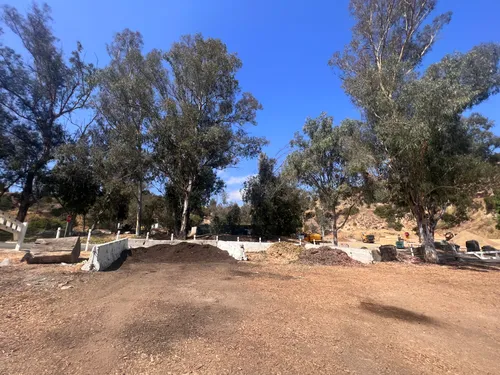
Griffith Park Composting Facility
5400 Griffith Park Dr, Los Angeles, CA 90027
Griffith Park Composting Facility provides food waste composting services primarily for restaurants in Glendale, CA. The facility specializes in processing organic waste to support sustainable waste management practices in the area.
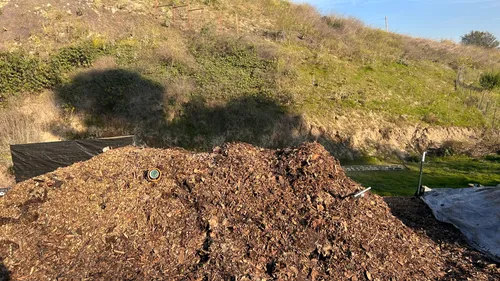
TAWA compost green waste food recycling
4002 Drysdale Ave, Los Angeles, CA 90032
TAWA Compost Green Waste Food Recycling is based in Los Angeles, CA, providing food waste and composting services primarily for restaurants and commercial clients. They offer drop-off options for commercial food waste, green waste, and residential waste, as well as onsite waste management and emergency food waste pickup available 24/7. Founded during the COVID-19 pandemic, TAWA Compost began as a food rescue initiative to address food insecurity and now focuses on turning inedible food into nutrient-rich compost. They also conduct workshops to educate the community on reducing waste and maximizing resources.
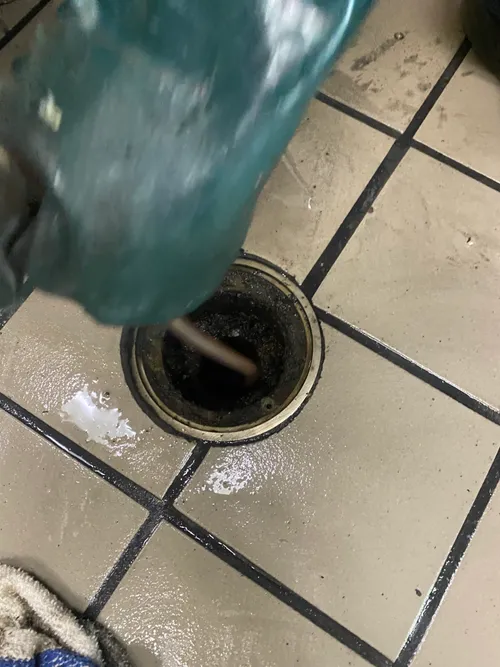
Royal Pumping and Jetting
Los Angeles, CA
Royal Pumping and Jetting provides a comprehensive range of pumping and jetting services for restaurants and hospitality businesses in Los Angeles, CA. Their offerings include grease trap and interceptor cleaning, waste kitchen oil removal, hydro jetting, grease trap repair, high-pressure washing, and complete plumbing services. The company has been serving Los Angeles, Orange County, and San Bernardino since 2008, with a team of certified experts skilled in handling various pump and blast operations. They also offer 24/7 availability to meet urgent service needs.

CR & R Inc
12739 Lakeland Rd, Santa Fe Springs, CA 90670
CR & R Inc provides food waste and composting services for restaurants in La Mirada, CA. The company focuses on sustainable solid waste and recycling solutions, operating advanced materials processing centers and using alternative fuel vehicles to reduce environmental impact. With over three decades of experience, CR & R Inc has developed a state-of-the-art anaerobic digester to process organic waste and produce renewable natural gas, supporting cleaner air and greener practices in the region.
Understanding SB 1383: The Mandate Behind the Program
California's Short-Lived Climate Pollutants (SLCP) reduction law, SB 1383, sets ambitious targets to reduce organic waste disposal by 75% by 2025. For businesses in Azusa, this translates to a legal obligation to separate all organic waste from the regular trash stream 1 2. Organic waste, in this context, includes:
- Food Scraps: All food waste, including meat, bones, dairy, vegetables, fruit, coffee grounds, and tea bags.
- Food-Soiled Paper: Items like used napkins, paper towels, pizza boxes, coffee filters, and uncoated paper plates that are contaminated with food.
The law is enforced at the local level, and the City of Azusa requires all commercial entities, including every restaurant, to subscribe to both trash and organics collection services. This means you cannot opt out; proper organic waste sorting and disposal is a standard part of business operations.
Your Service Provider: Athens Services
Athens Services is the exclusive franchised hauler for commercial solid waste, recycling, and organics in Azusa. They are your primary point of contact for:
- Setting up new service.
- Determining the appropriate cart sizes and number of containers for your waste streams.
- Establishing your specific pickup schedule.
- Understanding your fee structure.
The standard color-coding system Athens uses is:
- Green Cart: For Organics (food waste and food-soiled paper).
- Blue Cart: For Traditional Recycling (clean cardboard, bottles, cans).
- Black/Gray Cart: For Trash (landfill-bound waste that cannot be composted or recycled).
Your business will need to subscribe to both trash and organics carts. Athens can conduct a waste assessment to help you choose the right container sizes to optimize efficiency and cost 3.
Front-of-House Requirements: AB 827 and Customer Bins
A critical companion law to SB 1383 is AB 827. It mandates that businesses selling prepared food for immediate consumption must provide clearly labeled and easily accessible bins for customers to separate their trash, recycling, and organics in the dining and service areas 4.
Important Exemption: Full-service restaurants, defined as establishments where customers are seated and served by staff, are exempt from providing these triple bins for customer use in the dining area. However, this exemption does not relieve the business of its overall obligation to separate organics. Full-service restaurants must have sorting stations for employee use in the kitchen and behind the counter.
For quick-service restaurants, cafes, food courts, and similar models, providing customer-facing bins is mandatory. The bins must be placed next to each other and feature clear signage and/or color-coding (matching the green/blue/black system) to guide proper disposal.
Back-of-House Operations: Setting Up for Success
Efficient back-of-house sorting is the backbone of a compliant program. Here's how to structure it:
- Container Placement: Place paired trash and organics containers in all key areas where waste is generated: food prep stations, dishwashing areas, and behind the counter.
- Staff Training: Annual training for all employees is required. Staff must understand what goes in the green organics cart versus the black trash cart. Consistent training reduces contamination.
- Monitoring for Contamination: Athens Services periodically inspects organics carts for prohibited items. High levels of contamination can result in extra fees, service refusal, or even cart removal. It's cheaper and easier to sort correctly from the start.
What Goes In (and What Stays Out) of the Organics Cart
YES - Place these in the GREEN Organics Cart:
- All food scraps and leftovers.
- Coffee grounds and filters, tea bags.
- Paper napkins, towels, and uncoated paper plates soiled with food.
- Pizza delivery boxes (even greasy ones).
- Compostable serviceware only if it is certified compostable (look for BPI or similar certification).
NO - Keep these contaminants out of the GREEN Organics Cart:
- Plastic bags (unless they are certified compostable).
- Styrofoam™ or polystyrene.
- Liquids, oils, or grease.
- Glass, metal, or aluminum foil.
- "Biodegradable" or "eco-friendly" plastics that are not specifically certified compostable.
- Sanitary products or pet waste 5.
Find the perfect composting & food waste companies for your needs
Get personalized recommendations and expert advice
Edible Food Recovery: Donation Requirements
SB 1383 also includes a major edible food recovery component. If your restaurant is classified as a "Tier One" or "Tier Two" commercial edible food generator (typically based on size or type, like supermarkets or large restaurants), you are required to contract with a food recovery organization to donate your excess edible food. This means food that is still safe for human consumption but will not be sold (e.g., surplus prep, unsold daily specials, mis-prepared orders). The City of Azusa provides resources to help connect businesses with local food banks and recovery services. Even if not mandated, donation is a powerful way to reduce waste and support the community.
Understanding Costs and Scheduling
Pricing for commercial organics collection in Azusa is not a one-size-fits-all model. When the program launched in 2022, initial discounts on organics service were offered to ease the transition 6 7. Currently, businesses pay for organics service, with costs based on several variables:
- The size (e.g., 1-yard, 2-yard, 3-yard) and number of organics carts you need.
- The frequency of pickup (e.g., daily, weekly).
- Potential discounts for bundling multiple services (trash, recycling, organics) with Athens Services.
Pickup schedules are also customized based on your business's volume and location. The only way to get your exact rate and schedule is to contact Athens Services directly. They will provide a tailored quote based on a review of your specific operations.
Steps to Implement or Audit Your Program
- Contact Athens Services: Start here for service setup, cart adjustments, or to clarify your current schedule and costs.
- Conduct a Waste Audit: Look at what you're currently throwing away. This helps determine the correct organics cart size and identifies opportunities for better sorting.
- Procure Bins & Signage: Ensure you have enough clearly labeled containers for both front-of-house (if required) and back-of-house. The City of Azusa and Athens Services provide printable resources 8.
- Train Your Team: Hold an initial training session and brief annual refreshers. Make sorting guides visible in work areas.
- Review for Edible Donation: Determine if your business falls under the edible food recovery mandate and establish a relationship with a local food bank if needed 9.
- Monitor and Adjust: Check your organics cart regularly for contamination and adjust bin placement or training as needed.
Staying compliant with Azusa's composting and food waste recycling rules is an ongoing process. By understanding the laws, working with your hauler, and engaging your staff, your restaurant can turn a regulatory requirement into a point of operational efficiency and environmental pride.
Frequently asked questions
Sources
Footnotes
-
Statewide Mandatory Organic Waste Collection - CalRecycle - https://calrecycle.ca.gov/organics/slcp/collection/ ↩
-
SB 1383 Organics Recycling Law - City of Azusa - https://www.azusaca.gov/DocumentCenter/View/43875/SB-1383-June-Bill-InsertEnglish ↩
-
Azusa Commercial Waste & Recycling Services - Athens Services - https://athensservices.com/commercial-services/azusa/ ↩
-
Commercial | Azusa, CA - Official Website - https://www.azusaca.gov/1944/Commercial ↩
-
Agenda Item 7 - IIS Windows Server - West Covina, CA - https://records.westcovina.org/WebLink/DocView.aspx?id=68315&dbid=0&repo=WestCovina ↩
-
CHANGES TO AZUSA'S SOLID WASTE & RECYCLING SERVICES - https://www.azusaca.gov/DocumentCenter/View/44933/Final-Transition-FAQ-V5-English?bidId= ↩
-
CHANGES TO AZUSA'S SOLID WASTE & RECYCLING SERVICES - https://athensservices.com/wp-content/uploads/2021/12/Azusa-New-Waste-Collection-Program-FAQ-ENG.pdf ↩
-
AB827: Commercial and Organic Waste Recycling Bins - City of Azusa - https://www.azusaca.gov/1833/AB827-Commercial-and-Organic-Waste-Recyc ↩
-
Edible Food Recovery Program | Azusa, CA - Official Website - https://azusaca.gov/2227/Edible-Food-Recovery-Program ↩