Find the Best Composting & Food Waste Companies for Your Business
No obligation • Fast responses • Nationwide coverage

Why you can trust Restaurant Waste Disposal
Restaurant Waste Disposal is a leading U.S. resource for comparing restaurant composting, food-waste recycling, grease trap cleaning, and used cooking oil collection services. Our editorial team researches providers, checks credentials, and organizes unbiased information so operators can make informed decisions. Companies cannot pay to change ratings or placement.
Search providers near you
Top Composting & Food Waste Companies in Anaheim, California Ranked
For restaurant owners and food service operators in Anaheim, managing organic waste is no longer just an environmental consideration-it's a legal requirement. California's landmark SB 1383 mandates that all businesses, including every restaurant, separate food scraps and other compostable materials from their trash. This statewide organics recycling law aims to drastically reduce greenhouse gas emissions from landfills by diverting food waste to composting or anaerobic digestion facilities. In Anaheim, compliance is managed through a partnership with the city's designated waste hauler, integrating new sorting protocols into your existing service. Understanding the specific rules for containers, acceptable materials, and edible food donation is essential for smooth operations and avoiding potential penalties.
The core of the mandate requires you to separate organic material into a dedicated green cart. This includes all food scraps-from fruit and vegetable peels to meat, dairy, bones, and leftover prepared foods-as well as food-soiled paper like napkins, pizza boxes, and paper towels. Coffee grounds with filters and tea bags are also accepted. A critical rule to remember is that no plastic bags, even those labeled "compostable" or "biodegradable," are allowed in the green organics cart, as they contaminate the composting process 1. Proper sorting ensures these nutrients are recycled into soil amendments rather than producing methane in a landfill.
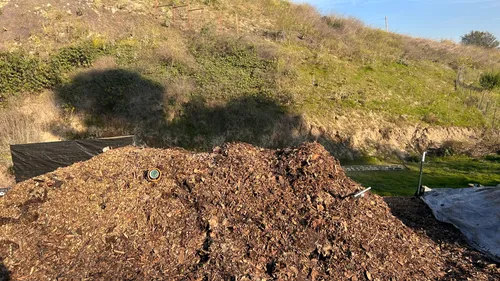
TAWA compost green waste food recycling
4002 Drysdale Ave, Los Angeles, CA 90032
TAWA Compost Green Waste Food Recycling is based in Los Angeles, CA, providing food waste and composting services primarily for restaurants and commercial clients. They offer drop-off options for commercial food waste, green waste, and residential waste, as well as onsite waste management and emergency food waste pickup available 24/7. Founded during the COVID-19 pandemic, TAWA Compost began as a food rescue initiative to address food insecurity and now focuses on turning inedible food into nutrient-rich compost. They also conduct workshops to educate the community on reducing waste and maximizing resources.
Royal Pumping and Jetting
Los Angeles, CA
Royal Pumping and Jetting provides a comprehensive range of pumping and jetting services for restaurants and hospitality businesses in Los Angeles, CA. Their offerings include grease trap and interceptor cleaning, waste kitchen oil removal, hydro jetting, grease trap repair, high-pressure washing, and complete plumbing services. The company has been serving Los Angeles, Orange County, and San Bernardino since 2008, with a team of certified experts skilled in handling various pump and blast operations. They also offer 24/7 availability to meet urgent service needs.

CR & R Inc
12739 Lakeland Rd, Santa Fe Springs, CA 90670
CR & R Inc provides food waste and composting services for restaurants in La Mirada, CA. The company focuses on sustainable solid waste and recycling solutions, operating advanced materials processing centers and using alternative fuel vehicles to reduce environmental impact. With over three decades of experience, CR & R Inc has developed a state-of-the-art anaerobic digester to process organic waste and produce renewable natural gas, supporting cleaner air and greener practices in the region.
Understanding SB 1383: A Mandate for Anaheim Businesses
California's Short-Lived Climate Pollutant Reduction Law (SB 1383) sets ambitious targets to reduce organic waste disposal by 75% by 2025. For Anaheim restaurants, this translates into a non-negotiable operational change. The law is designed to tackle methane, a potent greenhouse gas generated when food waste decomposes anaerobically in landfills. By redirecting this stream to organics processing, the state aims to turn a waste problem into a resource solution. Compliance is not optional; local jurisdictions like the City of Anaheim are responsible for enforcement and can issue warnings or fines for non-compliance2 3.
The regulations define two key compliance pillars for the food service industry:
- Organic Waste Separation: Every business that generates waste must subscribe to and use an organics recycling service.
- Edible Food Recovery: Certain businesses, classified as "Tier 1" or "Tier 2" generators, must also donate surplus edible food to recovery organizations. Most restaurants with a certain amount of food service space fall under the Tier 1 category, making food donation a mandatory part of their waste reduction strategy 4.
Your Anaheim Service Provider: Republic Services
In Anaheim, commercial organic waste collection is provided by Republic Services, the city's authorized waste hauler. They are your primary point of contact for setting up or adjusting your service to meet the SB 1383 requirements. Republic Services provides the three-container system mandated by the state: a gray or black cart for landfill trash, a blue cart for recyclables (like clean cans, bottles, and cardboard), and a green cart for organics 5 6.
If you do not already have a green cart, you must contact Republic Services to have one delivered. The size and pickup frequency of your containers (often weekly or bi-weekly) will be determined based on your business's needs and volume. It's important to review your service agreement, as the cost for organics recycling is integrated into your overall waste management bill. The Anaheim City Council approved the phased integration of these costs, so they are part of your existing contractual rates 7 8.
A Detailed Guide to Sorting: What Goes in the Green Cart?
Proper sorting is the most crucial step for successful compliance. Contamination-placing the wrong item in the wrong cart-can lead to entire truckloads being rejected at processing facilities. Here's a clear breakdown for your staff training.
YES - Place these in the GREEN Organics Cart:
- All Food Scraps: Fruits, vegetables, meat, poultry, fish, bones, dairy products, eggs, bread, pasta, rice, and plate scrapings.
- Food-Soiled Paper: Paper napkins, paper towels, pizza boxes (cheese and grease are okay!), paper take-out containers, coffee filters, and tea bags (staples removed).
- Other Organics: Coffee grounds, loose tea leaves, and cut flowers.
- Pro Tip: Line your kitchen collection pail with a paper bag or use no liner at all. Empty food directly into the green cart.
NO - Keep these out of the GREEN Organics Cart:
- Any Plastic Bags: This is the most common contaminant. Bags labeled "compostable" or "biodegradable" are NOT ACCEPTED in Anaheim's program 9.
- Compostable Serviceware: "Compostable" plastic cups, plates, and utensils are not allowed.
- Liquids, Oil, or Grease: These should be disposed of properly as hazardous waste or collected by a grease trap service.
- Glass, Metal, or Plastic: These belong in the blue recycling cart if clean and empty.
- Pet Waste or Diapers: These go in the black/gray trash cart.
Recycling (Blue Cart) Reminder: Keep recyclables clean, dry, and loose. Food residue can ruin a batch of otherwise good recycling. Rinse cans and bottles, and flatten cardboard boxes.
Find the perfect composting & food waste companies for your needs
Get personalized recommendations and expert advice
The Edible Food Recovery Requirement
Beyond composting inedible scraps, SB 1383 actively fights food insecurity by requiring businesses to recover edible food that would otherwise be thrown away. If your restaurant is classified as a Tier 1 generator, you are required to:
- Identify Surplus Edible Food: This includes prepared but unserved meals, untouched perishable items nearing their sell-by date, or produce that is still wholesome but cosmetically imperfect.
- Partner with a Recovery Organization: Establish a contract or agreement with a local food bank, food pantry, or other non-profit recovery service.
- Maintain Records: Keep documentation of the types and amounts of food donated, the frequency of donations, and the receiving organization. These records must be provided to the City of Anaheim upon request 10.
This component of the law ensures that good food feeds people, not landfills. Local organizations can help facilitate these donations and provide guidance on safe food handling for recovery.
Implementing Your Program: Steps for Restaurant Managers
Transitioning to compliant organics recycling requires a systematic approach. Follow these steps to ensure a smooth rollout:
- Assess and Order Service: Contact Republic Services to confirm your current container setup and schedule. Order a green organics cart if you don't have one, and discuss optimal pickup frequency.
- Conduct a Waste Audit: Briefly assess what types of waste your kitchen produces. This helps identify where to place collection bins and what staff training is needed most.
- Set Up Internal Collection Stations: Place clearly labeled, lined (with paper or unlined) bins in prep areas, dish pits, and behind the bar. Use visuals (photos or icons) to show what goes where.
- Train Your Team Thoroughly: Hold a staff meeting to explain why the change is happening (the law, environmental benefits) and how to sort correctly. Make a manager or lead responsible for ongoing training and answering questions.
- Post Signage: Use the guides provided by Republic Services or the City of Anaheim to post clear, multilingual signage above all waste stations 11.
- Document Everything: Keep records of your service agreement, training materials, and, if applicable, your edible food donation logs. This creates a paper trail for compliance verification.
Navigating Waivers and Self-Hauling Options
In very limited circumstances, a business may apply for a waiver from some requirements. A de minimis waiver may be available if you can prove your business generates a minimal amount of organic waste. Alternatively, a physical space waiver might apply if your premises lack adequate space for the required three containers. These waivers are not automatic and require formal application and approval from the City of Anaheim 12.
Some businesses may explore self-hauling their organic waste to an approved facility. If you choose this route, you must register as a self-hauler with the city and maintain detailed records of the types and amounts of material hauled, as well as the disposal facility receipts. For most restaurants, using the centralized Republic Services collection is the simplest and most cost-effective path to compliance.
The Broader Impact: Why This Matters for Anaheim
Diverting food waste from the landfill has significant local and global benefits. On a community level, it extends the life of Orange County's landfills and reduces truck traffic and associated emissions. The compost created from Anaheim's food scraps can be used to enrich soil in local parks, community gardens, and agricultural areas, closing the nutrient loop. Furthermore, the edible food recovery requirement strengthens the local social safety net by providing nutritious food to neighbors in need. By complying with SB 1383, Anaheim's vibrant restaurant community is playing a direct role in building a more sustainable and resilient city.
Frequently asked questions
Sources
Footnotes
-
Maintenance Operations Division - Public Works - Seal Beach ↩
-
Collection Systems, Container Colors, and Labeling - CalRecycle ↩
-
Changes coming to food, organic waste collection - Anaheim.net ↩
-
Your guide to following California's 'compost' law - LAist ↩
-
SB 1383: Summary of Food Recovery Requirements in California (Spanish) ↩
-
10.10.070 PLACEMENT OF CONTAINERS FOR COLLECTION. - Anaheim Municipal Code ↩
-
10.10.030 SPECIFICATION OF SOLID WASTE COLLECTION - Anaheim Municipal Code ↩